
400MW Fishery-PV Fixed Ground-mounted System | Shandong, China
January 14, 2026
1. Project Overview
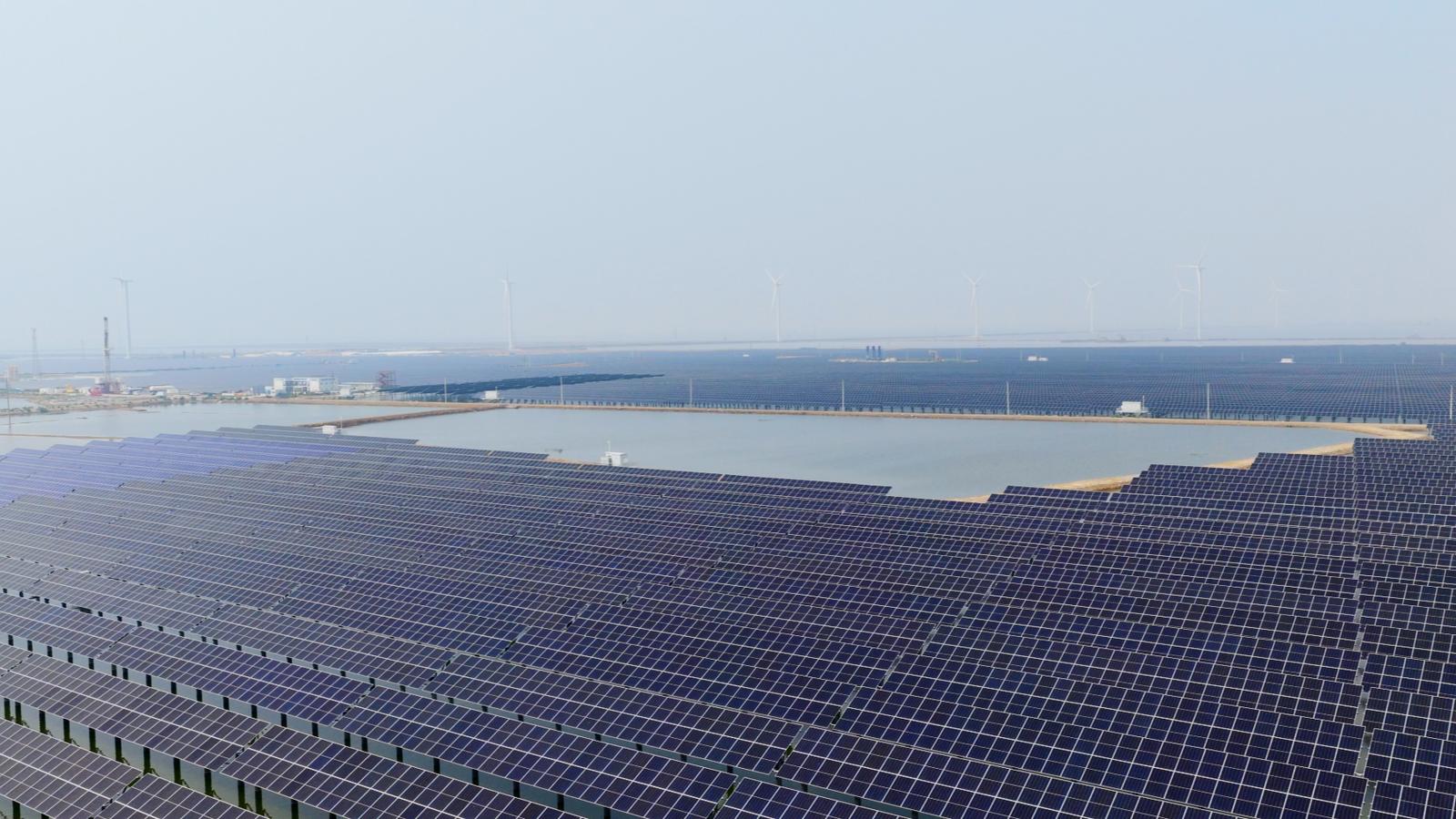
•Project Background:This case focuses on two large-scale fishery–PV projects developed by Antaisolar concurrently in Shandong province. Both projects are located in coastal tidal-flat areas, with a combined installed capacity of 400MW and a total land area of approximately 8,247 mu. As landmark initiatives supporting Shandong Province’s strategy for three-dimensional marine spatial development, the projects integrate green energy generation with modern aquaculture practices. Through large-scale deployment, the investors aim to explore and implement an innovative industrial model of “power generation above water and aquaculture below,” enabling efficient utilization of marine resources while enhancing ecological value.
•Project Requirements: All project sites are located in coastal tidal-flat zones. The core requirement was to construct large-scale photovoltaic power plants capable of safe and stable operation for more than 25 years under extremely humid and highly saline corrosive conditions. The solution needed to simultaneously address three key objectives: 1) Structural Reliability: Withstand strong coastal winds and soft soil foundations; 2) Ecological Compatibility: Achieve true complementarity between PV generation and aquaculture in terms of light access, spatial layout, and operational activities, rather than mutual interference; 3) Investment Efficiency: Deliver a total capacity of 400MW with high quality and efficiency within the grid-connection window, while controlling full life-cycle costs.
 2. Project Challenges
2.1 Severe High-Humidity and High-Salinity Corrosive Environment
•Located in coastal regions, the sites are exposed year-round to high humidity and saline atmospheric and soil conditions, posing significant corrosion risks to PV mounting structures and foundations. The mounting system therefore required exceptional corrosion resistance to ensure a design service life exceeding 25 years.
2.2 Strong Wind Loads in Coastal Areas
•Coastal regions are frequently affected by strong winds. The projects required the mounting system to safely withstand Grade 10 winds, corresponding to a wind pressure of 0.5 kN/m², ensuring structural integrity and module stability under extreme weather conditions and preventing wind-induced damage.
2.3 Spatial Coordination in Fishery–PV Scenarios
•The projects were designed to realize a three-dimensional utilization model of “power generation above water and aquaculture below.” The mounting system needed to precisely coordinate the spatial relationship between power generation and aquaculture activities. Adequate operating space had to be reserved for different farming modes—such as shrimp ponds in the northern area and fish ponds in the southern area—while maximizing land-use efficiency. This placed high demands on customization and refined engineering design.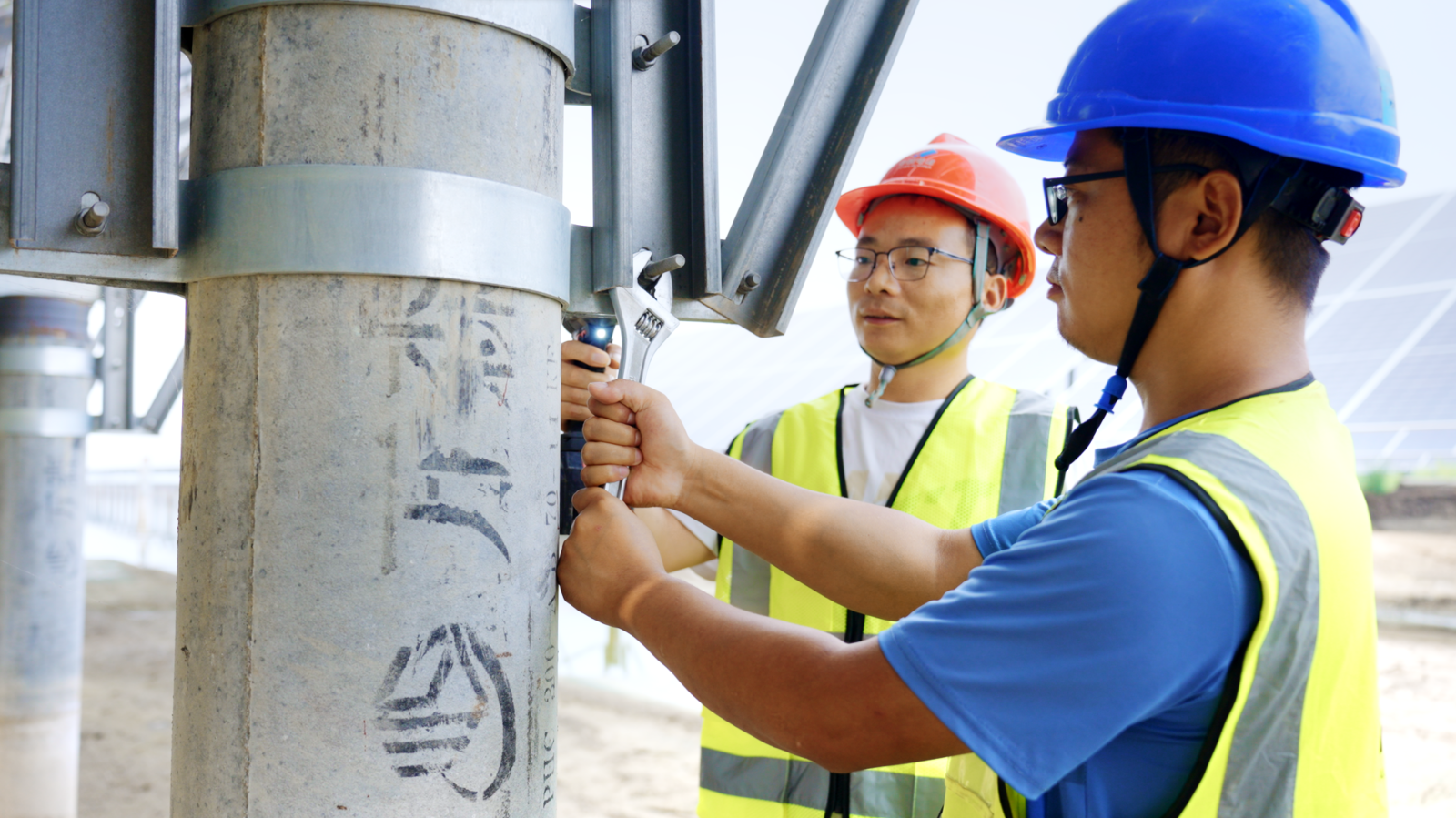 3. Solution
To address these challenges, Antaisolar delivered a unified solution for both projects centered on the Altima-AT1 ground-mounted system:
3.1 Comprehensive Anti-Corrosion Design for Harsh Environments
• Foundation System: PHC pipe piles were adopted across the projects. These piles offer high bearing capacity suitable for soft coastal soils, while the concrete material itself provides excellent resistance to saline and alkaline corrosion, fundamentally ensuring long-term durability of the underground structures.
• Above-Ground Structure: The main supporting structures utilize high-strength structural steels such as S350 and S420, combined with advanced anti-corrosion surface treatment processes, ensuring long-term stability of exposed metal components in high-humidity, high-salinity coastal environments.
3.2 Enhanced Structural Stability for Wind Resistance
• Structural reinforcement was designed in strict accordance with a wind pressure standard of 0.5 kN/m².
• An module fastening system combining U-bolt plus clamp and back-lock bolt was implemented. This dual mechanical locking configuration provides exceptional connection rigidity, effectively integrating the modules with the mounting system and significantly enhancing overall resistance to wind uplift.
3.3 Differentiated and Refined Design for Spatial Coordination
• Northern Project: To accommodate shrimp farming operations, the minimum module clearance was designed at 1.3 meters above the water surface and 4.11 meters above the pond bottom, providing ample space for large aquaculture equipment and boat operations.
• Southern Project: To maximize utilization of pond surface resources, a lower clearance design of 0.6 meters above the water surface was adopted. This configuration maintains sufficient ventilation and O&M access while significantly increasing installed capacity per unit area and improving overall energy yield.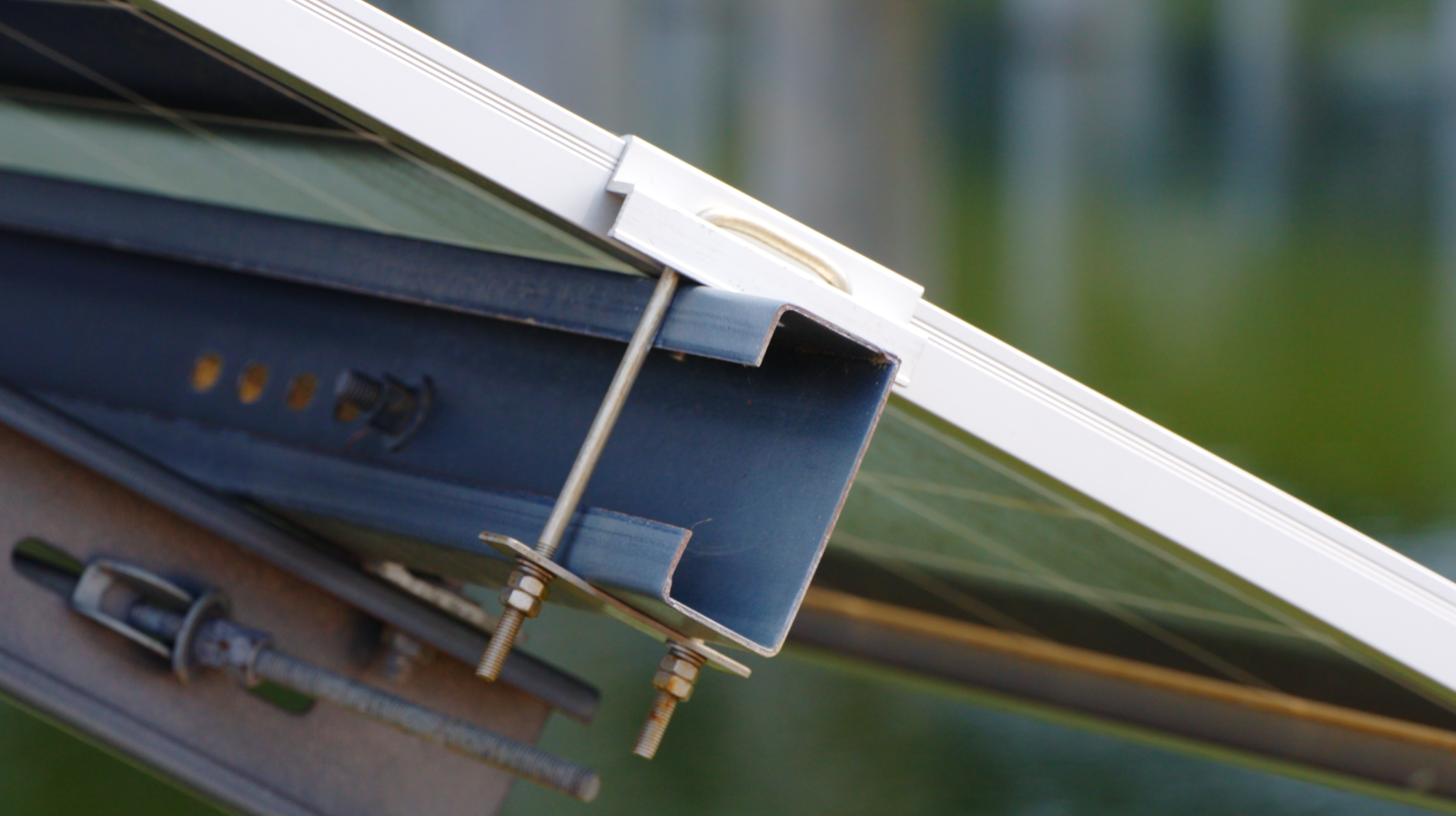 4. Project Results
•Both projects were successfully completed and connected to the grid at full capacity within the scheduled timeframe. The ground-mounted solution provided by Antaisolar, featuring outstanding corrosion resistance and structural reliability, laid a solid foundation for the long-term safe operation of the power plants.
•The projects have generated substantial environmental and economic benefits. Upon full commissioning, the combined annual power generation is expected to reach 638 million kWh, saving approximately 250,000 tons of standard coal and reducing CO₂ emissions by about 650,000 tons per year.
•The projects have established a benchmark for fishery–PV integration. Through scientifically optimized racking design, true harmony between “power generation above and aquaculture below” was achieved, fully unlocking the production value of 8,247 mu of coastal waters. The projects now serve as comprehensive demonstration initiatives integrating clean energy production, modern aquaculture development, ecological protection, and regional economic upgrading.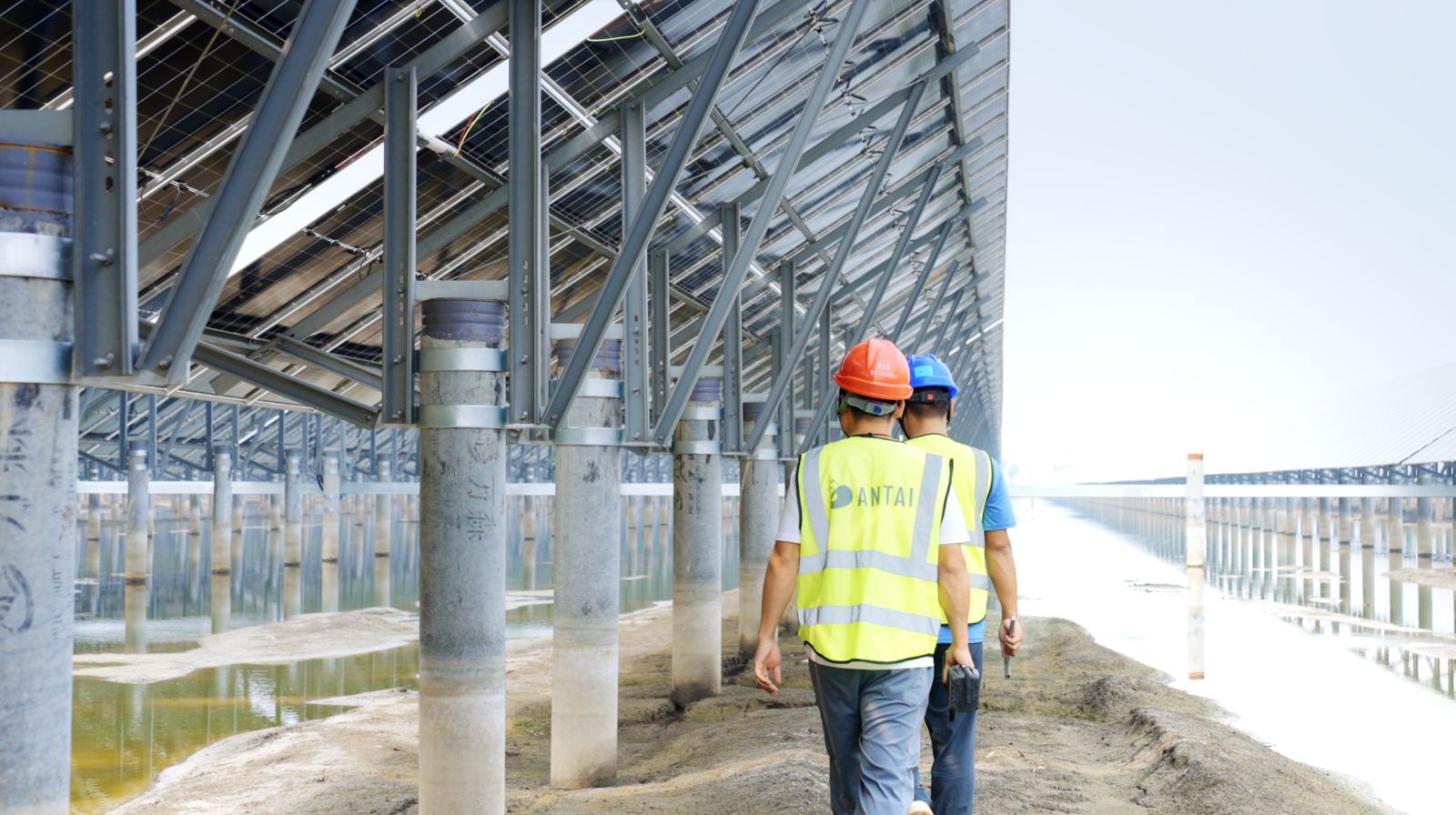
For more information, please visit: https://www.antaisolar.com/
Contact us: [email protected]
•Project Background:This case focuses on two large-scale fishery–PV projects developed by Antaisolar concurrently in Shandong province. Both projects are located in coastal tidal-flat areas, with a combined installed capacity of 400MW and a total land area of approximately 8,247 mu. As landmark initiatives supporting Shandong Province’s strategy for three-dimensional marine spatial development, the projects integrate green energy generation with modern aquaculture practices. Through large-scale deployment, the investors aim to explore and implement an innovative industrial model of “power generation above water and aquaculture below,” enabling efficient utilization of marine resources while enhancing ecological value.
•Project Requirements: All project sites are located in coastal tidal-flat zones. The core requirement was to construct large-scale photovoltaic power plants capable of safe and stable operation for more than 25 years under extremely humid and highly saline corrosive conditions. The solution needed to simultaneously address three key objectives: 1) Structural Reliability: Withstand strong coastal winds and soft soil foundations; 2) Ecological Compatibility: Achieve true complementarity between PV generation and aquaculture in terms of light access, spatial layout, and operational activities, rather than mutual interference; 3) Investment Efficiency: Deliver a total capacity of 400MW with high quality and efficiency within the grid-connection window, while controlling full life-cycle costs.
2. Project Challenges2.1 Severe High-Humidity and High-Salinity Corrosive Environment
•Located in coastal regions, the sites are exposed year-round to high humidity and saline atmospheric and soil conditions, posing significant corrosion risks to PV mounting structures and foundations. The mounting system therefore required exceptional corrosion resistance to ensure a design service life exceeding 25 years.
2.2 Strong Wind Loads in Coastal Areas
•Coastal regions are frequently affected by strong winds. The projects required the mounting system to safely withstand Grade 10 winds, corresponding to a wind pressure of 0.5 kN/m², ensuring structural integrity and module stability under extreme weather conditions and preventing wind-induced damage.
2.3 Spatial Coordination in Fishery–PV Scenarios
•The projects were designed to realize a three-dimensional utilization model of “power generation above water and aquaculture below.” The mounting system needed to precisely coordinate the spatial relationship between power generation and aquaculture activities. Adequate operating space had to be reserved for different farming modes—such as shrimp ponds in the northern area and fish ponds in the southern area—while maximizing land-use efficiency. This placed high demands on customization and refined engineering design.
3. SolutionTo address these challenges, Antaisolar delivered a unified solution for both projects centered on the Altima-AT1 ground-mounted system:
3.1 Comprehensive Anti-Corrosion Design for Harsh Environments
• Foundation System: PHC pipe piles were adopted across the projects. These piles offer high bearing capacity suitable for soft coastal soils, while the concrete material itself provides excellent resistance to saline and alkaline corrosion, fundamentally ensuring long-term durability of the underground structures.
• Above-Ground Structure: The main supporting structures utilize high-strength structural steels such as S350 and S420, combined with advanced anti-corrosion surface treatment processes, ensuring long-term stability of exposed metal components in high-humidity, high-salinity coastal environments.
3.2 Enhanced Structural Stability for Wind Resistance
• Structural reinforcement was designed in strict accordance with a wind pressure standard of 0.5 kN/m².
• An module fastening system combining U-bolt plus clamp and back-lock bolt was implemented. This dual mechanical locking configuration provides exceptional connection rigidity, effectively integrating the modules with the mounting system and significantly enhancing overall resistance to wind uplift.
3.3 Differentiated and Refined Design for Spatial Coordination
• Northern Project: To accommodate shrimp farming operations, the minimum module clearance was designed at 1.3 meters above the water surface and 4.11 meters above the pond bottom, providing ample space for large aquaculture equipment and boat operations.
• Southern Project: To maximize utilization of pond surface resources, a lower clearance design of 0.6 meters above the water surface was adopted. This configuration maintains sufficient ventilation and O&M access while significantly increasing installed capacity per unit area and improving overall energy yield.
4. Project Results•Both projects were successfully completed and connected to the grid at full capacity within the scheduled timeframe. The ground-mounted solution provided by Antaisolar, featuring outstanding corrosion resistance and structural reliability, laid a solid foundation for the long-term safe operation of the power plants.
•The projects have generated substantial environmental and economic benefits. Upon full commissioning, the combined annual power generation is expected to reach 638 million kWh, saving approximately 250,000 tons of standard coal and reducing CO₂ emissions by about 650,000 tons per year.
•The projects have established a benchmark for fishery–PV integration. Through scientifically optimized racking design, true harmony between “power generation above and aquaculture below” was achieved, fully unlocking the production value of 8,247 mu of coastal waters. The projects now serve as comprehensive demonstration initiatives integrating clean energy production, modern aquaculture development, ecological protection, and regional economic upgrading.
For more information, please visit: https://www.antaisolar.com/
Contact us: [email protected]
Previous
11.98MW New Energy Vehicle Factory Roof Mounting System | Jiangxi, China
Next
32MW Wasteland-based PV Tracking System Project | Ningxia, China
RELATED NEWS