
Managing Solar Supply Agreements to Reduce Risks in Utility-Scale PV Projects
May 03, 2026
Large-scale solar projects depend on precise coordination between developers, EPC contractors, component suppliers, and construction teams. While much attention is given to module efficiency and installation performance, supply contract management often determines whether a project stays on schedule and within budget.
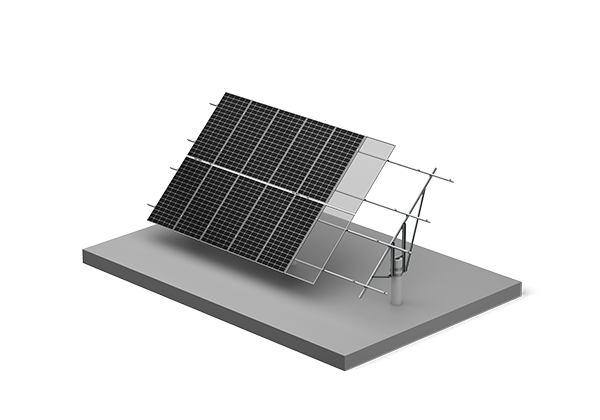
For utility-scale photovoltaic plants, delays in mounting system delivery can affect installation sequences, labor arrangements, and grid connection timelines. This is why many agreements include liquidated damages clauses that define financial responsibilities when contractual milestones are not achieved.
When project owners and suppliers have a firm grasp of these provisions, they are better able to make reasonable promises. We think that open communication, realistic deadlines, and a common strategy for handling project risks are the cornerstones of productive collaboration.
Liquidated damages are contractual provisions designed to establish predetermined compensation when certain obligations are not fulfilled. In utility solar projects, these clauses are often connected to delivery dates, construction milestones, or performance-related commitments.
For developers, liquidated damages provide a level of protection against financial losses caused by supplier delays. A late delivery of mounting components may interrupt installation activities and create additional costs related to equipment, labor, or project management.
However, these clauses must be carefully structured. Unrealistic deadlines or unclear responsibility definitions can create disputes instead of improving project cooperation.
When working with a solar mounting supplier, project teams should ensure that contract terms reflect actual manufacturing capacity, transportation conditions, and installation requirements. A well-prepared agreement should encourage accountability while remaining practical for all parties involved.
Many contract issues can be avoided through detailed planning before the agreement is finalized. Developers and EPC contractors should evaluate supplier capabilities beyond pricing and product specifications.
Manufacturing capacity is one important consideration. Utility-scale projects often require large quantities of structural components within strict construction windows. Suppliers need effective production scheduling and quality management systems to meet these demands.
Logistics planning is equally important. International transportation, customs procedures, and regional delivery conditions can influence project timelines. These factors should be considered when establishing contractual milestones.
At Antaisolar, we focus on aligning technical solutions with project execution requirements. Reliable supply performance depends not only on manufacturing but also on communication, planning, and coordination throughout the project process.
To be effective, a supply agreement needs to spell out each party's expectations in detail. While due deadlines are normally front and center, other factors might also affect a project's success.
Contracts should specify product requirements, inspection procedures, packaging standards, and acceptance conditions. These details help prevent disagreements about whether delivered components meet project expectations.
Force majeure events should also be considered. Events such as extreme weather, transportation disruptions, or unexpected regulatory changes may affect delivery schedules. A balanced agreement should distinguish between avoidable delays and uncontrollable circumstances.
A professional solar mounting supplier should be willing to discuss these factors openly. Clear communication during contract negotiation creates a stronger foundation for cooperation during project execution.
While liquidated damages provide financial protection, excessive penalties can create unnecessary tension between project owners and suppliers. The goal of a supply agreement should be risk management rather than penalty enforcemen.
Solar projects involve many interconnected activities, and delays can sometimes result from multiple factors. A supplier may deliver components on time while other construction challenges affect the overall schedule.
For this reason, successful contracts often include communication procedures, progress reporting requirements, and problem-solving mechanisms. These measures allow both sides to address issues before they become major disputes.
Long-term partnerships are built through reliability and mutual understanding. Suppliers that participate in early project discussions can better anticipate challenges and provide more effective support.
Meeting delivery schedules is only one part of fulfilling a solar supply agreement. Product quality and documentation also influence whether a project can proceed smoothly.
Mounting systems must meet required engineering standards and project specifications. Incorrect components, missing documentation, or quality issues discovered during installation can create delays similar to late deliveries.
Quality inspections before shipment can help identify potential problems early. Detailed records of production, testing, and logistics activities also provide valuable evidence when evaluating contract performance.
A responsible supplier understands that successful delivery means providing complete solutions rather than simply shipping materials. This approach helps reduce uncertainty throughout the construction process.
Utility solar procurement is becoming increasingly complex as projects grow larger and timelines become more demanding. Developers need suppliers that can support not only product requirements but also project execution goals.
Selecting the right partner requires evaluating experience, engineering capability, production reliability, and communication practices. The lowest initial price may not always represent the lowest overall project cost if delays or quality issues occur.
A strong procurement strategy considers the complete lifecycle of the mounting system. From contract negotiation to final installation, every stage influences project efficiency and financial performance.
Antaisolar works with customers by focusing on reliable solutions and effective cooperation throughout the supply process. This approach helps project stakeholders manage risks while maintaining progress toward renewable energy goals.
Liquidated damages clauses are an important part of utility solar supply contracts, but their effectiveness depends on careful planning and realistic expectations. A successful agreement should protect project interests while supporting cooperation between all parties.
By selecting an experienced solar mounting supplier and establishing clear communication from the beginning, developers can reduce supply risks and improve project execution. As utility-scale solar continues to expand, strong contract management will remain a key factor in delivering reliable renewable energy projects.
For utility-scale photovoltaic plants, delays in mounting system delivery can affect installation sequences, labor arrangements, and grid connection timelines. This is why many agreements include liquidated damages clauses that define financial responsibilities when contractual milestones are not achieved.
When project owners and suppliers have a firm grasp of these provisions, they are better able to make reasonable promises. We think that open communication, realistic deadlines, and a common strategy for handling project risks are the cornerstones of productive collaboration.
Why Liquidated Damages Matter in Solar Mounting Contracts
Liquidated damages are contractual provisions designed to establish predetermined compensation when certain obligations are not fulfilled. In utility solar projects, these clauses are often connected to delivery dates, construction milestones, or performance-related commitments.
For developers, liquidated damages provide a level of protection against financial losses caused by supplier delays. A late delivery of mounting components may interrupt installation activities and create additional costs related to equipment, labor, or project management.
However, these clauses must be carefully structured. Unrealistic deadlines or unclear responsibility definitions can create disputes instead of improving project cooperation.
When working with a solar mounting supplier, project teams should ensure that contract terms reflect actual manufacturing capacity, transportation conditions, and installation requirements. A well-prepared agreement should encourage accountability while remaining practical for all parties involved.
Evaluating Delivery Risks Before Signing Supply Agreements
Many contract issues can be avoided through detailed planning before the agreement is finalized. Developers and EPC contractors should evaluate supplier capabilities beyond pricing and product specifications.
Manufacturing capacity is one important consideration. Utility-scale projects often require large quantities of structural components within strict construction windows. Suppliers need effective production scheduling and quality management systems to meet these demands.
Logistics planning is equally important. International transportation, customs procedures, and regional delivery conditions can influence project timelines. These factors should be considered when establishing contractual milestones.
At Antaisolar, we focus on aligning technical solutions with project execution requirements. Reliable supply performance depends not only on manufacturing but also on communication, planning, and coordination throughout the project process.
Key Contract Points to Discuss with a Solar Mounting Supplier
To be effective, a supply agreement needs to spell out each party's expectations in detail. While due deadlines are normally front and center, other factors might also affect a project's success.
Contracts should specify product requirements, inspection procedures, packaging standards, and acceptance conditions. These details help prevent disagreements about whether delivered components meet project expectations.
Force majeure events should also be considered. Events such as extreme weather, transportation disruptions, or unexpected regulatory changes may affect delivery schedules. A balanced agreement should distinguish between avoidable delays and uncontrollable circumstances.
A professional solar mounting supplier should be willing to discuss these factors openly. Clear communication during contract negotiation creates a stronger foundation for cooperation during project execution.
Balancing Contract Protection and Long-Term Partnerships
While liquidated damages provide financial protection, excessive penalties can create unnecessary tension between project owners and suppliers. The goal of a supply agreement should be risk management rather than penalty enforcemen.
Solar projects involve many interconnected activities, and delays can sometimes result from multiple factors. A supplier may deliver components on time while other construction challenges affect the overall schedule.
For this reason, successful contracts often include communication procedures, progress reporting requirements, and problem-solving mechanisms. These measures allow both sides to address issues before they become major disputes.
Long-term partnerships are built through reliability and mutual understanding. Suppliers that participate in early project discussions can better anticipate challenges and provide more effective support.
Quality Control and Documentation in Contract Performance
Meeting delivery schedules is only one part of fulfilling a solar supply agreement. Product quality and documentation also influence whether a project can proceed smoothly.
Mounting systems must meet required engineering standards and project specifications. Incorrect components, missing documentation, or quality issues discovered during installation can create delays similar to late deliveries.
Quality inspections before shipment can help identify potential problems early. Detailed records of production, testing, and logistics activities also provide valuable evidence when evaluating contract performance.
A responsible supplier understands that successful delivery means providing complete solutions rather than simply shipping materials. This approach helps reduce uncertainty throughout the construction process.
Improving Project Outcomes Through Better Procurement Strategies
Utility solar procurement is becoming increasingly complex as projects grow larger and timelines become more demanding. Developers need suppliers that can support not only product requirements but also project execution goals.
Selecting the right partner requires evaluating experience, engineering capability, production reliability, and communication practices. The lowest initial price may not always represent the lowest overall project cost if delays or quality issues occur.
A strong procurement strategy considers the complete lifecycle of the mounting system. From contract negotiation to final installation, every stage influences project efficiency and financial performance.
Antaisolar works with customers by focusing on reliable solutions and effective cooperation throughout the supply process. This approach helps project stakeholders manage risks while maintaining progress toward renewable energy goals.
Conclusion
Liquidated damages clauses are an important part of utility solar supply contracts, but their effectiveness depends on careful planning and realistic expectations. A successful agreement should protect project interests while supporting cooperation between all parties.
By selecting an experienced solar mounting supplier and establishing clear communication from the beginning, developers can reduce supply risks and improve project execution. As utility-scale solar continues to expand, strong contract management will remain a key factor in delivering reliable renewable energy projects.
end