
Enhancing Utility-Scale Solar Tracker Performance Through Smarter Mounting Solutions
May 01, 2026
Utility-scale solar projects are entering a new phase where maximizing energy output alone is no longer enough. Developers are increasingly focused on improving lifecycle returns by selecting systems that balance generation gains, structural reliability, installation efficiency, and long-term operational costs.
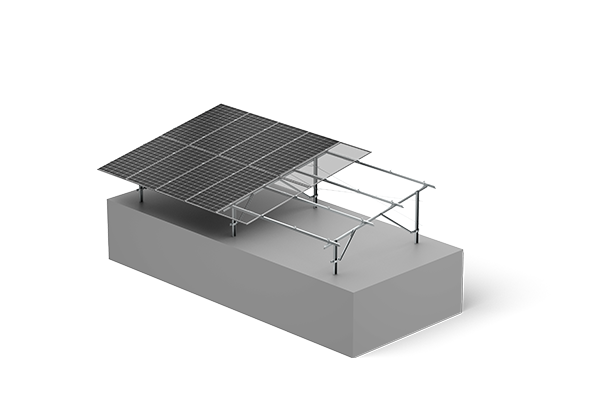
As photovoltaic plants expand in size, solar trackers have become an important solution for increasing energy capture. However, the performance of these systems depends heavily on the quality of structural design, environmental adaptability, and engineering precision behind the mounting infrastructure.
It takes more than high-tech tools to complete solar projects successfully, and Antaisolar is well-aware of this. In order to achieve good investment value, a comprehensive approach is required that takes into account site circumstances, mechanical stability, and maintenance demands in the long run.
Solar tracker manufacturers contribute significantly to the optimization of utility-scale tracking systems by developing structures that support support consistent tracking accuracy and stable module positioning. The mounting system must maintain accuracy while handling environmental forces throughout decades of operation.
For large solar installations, every design decision can influence financial performance. A structure that reduces material waste, simplifies transportation, and improves installation processes can help control construction expenses without compromising durability.
Engineering teams evaluate multiple factors before creating a suitable tracking solution. These include wind conditions, soil characteristics, module specifications, and project location. A carefully designed system helps reduce risks associated with structural stress and unexpected maintenance requirements.
When selecting partners, developers often consider whether solar tracker manufacturers can provide solutions that combine technical expertise with practical project experience. The right supplier can support better decision-making from early planning through final operation.
A utility-scale tracking system works by adjusting solar module angles to follow the sun’s path. While this concept appears simple, achieving consistent performance requires accurate mechanical coordination between structural components, control systems, and environmental conditions.
The mounting structure provides the foundation for tracking movement. If components experience excessive deformation or instability, tracking accuracy may decline, potentially affecting energy production over time.
Structural engineering plays a key role in creating reliable systems. Designers analyze load distribution, component connections, and material performance to ensure that the structure can maintain operational stability under different weather conditions.
At Antaisolar, we focus on combining structural optimization with practical installation considerations. A well-engineered solution should support efficient energy generation while remaining dependable throughout the project lifecycle.
Large-scale solar development often involves complex construction environments. Remote locations, changing terrain, and strict project schedules require mounting solutions that are designed for efficient deployment.
A well-planned tracking structure can simplify assembly procedures and reduce unnecessary installation difficulties. Pre-engineered components, optimized layouts, and clear installation methods allow construction teams to work more effectively.
Operational reliability is another major factor affecting return on investment. Frequent maintenance or unexpected repairs can increase project expenses and reduce profitability. Therefore, developers need systems designed with durability and service requirements in mind.
Solar tracker manufacturers help address these challenges by developing products that consider both engineering performance and real-world application. This approach allows project owners to achieve a stronger balance between initial investment and long-term benefits.
Achieving high ROI in utility-scale solar requires careful evaluation of energy gains, costs, and system reliability. Tracking systems can improve energy production, but their financial value depends on how effectively the complete solution is designed and managed.
Developers should consider several important questions before selecting a tracking solution. How will the system perform under local climate conditions? Can the structure support future maintenance needs? Does the design allow efficient installation and operation?
The answers to these questions influence the overall project outcome. A reliable mounting system can help protect energy generation targets while reducing risks associated with long-term ownership.
Modern solar projects increasingly rely on data-driven planning and advanced engineering methods. Improved modeling, monitoring technologies, and optimized structures allow operators to make better decisions throughout the operational period.
The solar industry continues to move toward higher efficiency and smarter project management. As utility-scale plants become larger, tracking systems will need to provide improved adaptability, stronger reliability, and greater compatibility with evolving photovoltaic technologies.
Future solutions will likely focus on reducing complexity while improving performance. Better materials, automated control methods, and refined structural designs can help create more efficient solar installations.
Solar tracker manufacturers will remain important contributors to this development by supporting the connection between engineering innovation and practical project requirements. Their ability to create dependable solutions will influence how effectively future solar farms achieve their energy and financial goals.
Utility-scale tracking systems represent an important opportunity for improving solar project returns, but their success depends on the quality of the supporting structure and engineering approach. Reliable design, efficient installation, and long-term durability are essential elements for maximizing value.
As the renewable energy market continues to expand, choosing the right technology partner will become increasingly important for developers seeking predictable performance.
Through continuous innovation and industry experience, Antaisolar supports the advancement of solar solutions that help projects achieve stronger efficiency and sustainable growth.
As photovoltaic plants expand in size, solar trackers have become an important solution for increasing energy capture. However, the performance of these systems depends heavily on the quality of structural design, environmental adaptability, and engineering precision behind the mounting infrastructure.
It takes more than high-tech tools to complete solar projects successfully, and Antaisolar is well-aware of this. In order to achieve good investment value, a comprehensive approach is required that takes into account site circumstances, mechanical stability, and maintenance demands in the long run.
The Role of Solar Tracker Manufacturers in Improving Project Economics
Solar tracker manufacturers contribute significantly to the optimization of utility-scale tracking systems by developing structures that support support consistent tracking accuracy and stable module positioning. The mounting system must maintain accuracy while handling environmental forces throughout decades of operation.
For large solar installations, every design decision can influence financial performance. A structure that reduces material waste, simplifies transportation, and improves installation processes can help control construction expenses without compromising durability.
Engineering teams evaluate multiple factors before creating a suitable tracking solution. These include wind conditions, soil characteristics, module specifications, and project location. A carefully designed system helps reduce risks associated with structural stress and unexpected maintenance requirements.
When selecting partners, developers often consider whether solar tracker manufacturers can provide solutions that combine technical expertise with practical project experience. The right supplier can support better decision-making from early planning through final operation.
Optimizing Tracking Accuracy Through Structural Engineering
A utility-scale tracking system works by adjusting solar module angles to follow the sun’s path. While this concept appears simple, achieving consistent performance requires accurate mechanical coordination between structural components, control systems, and environmental conditions.
The mounting structure provides the foundation for tracking movement. If components experience excessive deformation or instability, tracking accuracy may decline, potentially affecting energy production over time.
Structural engineering plays a key role in creating reliable systems. Designers analyze load distribution, component connections, and material performance to ensure that the structure can maintain operational stability under different weather conditions.
At Antaisolar, we focus on combining structural optimization with practical installation considerations. A well-engineered solution should support efficient energy generation while remaining dependable throughout the project lifecycle.
Reducing Installation Challenges and Operational Risks
Large-scale solar development often involves complex construction environments. Remote locations, changing terrain, and strict project schedules require mounting solutions that are designed for efficient deployment.
A well-planned tracking structure can simplify assembly procedures and reduce unnecessary installation difficulties. Pre-engineered components, optimized layouts, and clear installation methods allow construction teams to work more effectively.
Operational reliability is another major factor affecting return on investment. Frequent maintenance or unexpected repairs can increase project expenses and reduce profitability. Therefore, developers need systems designed with durability and service requirements in mind.
Solar tracker manufacturers help address these challenges by developing products that consider both engineering performance and real-world application. This approach allows project owners to achieve a stronger balance between initial investment and long-term benefits.
How Advanced Design Supports High ROI for Solar Projects
Achieving high ROI in utility-scale solar requires careful evaluation of energy gains, costs, and system reliability. Tracking systems can improve energy production, but their financial value depends on how effectively the complete solution is designed and managed.
Developers should consider several important questions before selecting a tracking solution. How will the system perform under local climate conditions? Can the structure support future maintenance needs? Does the design allow efficient installation and operation?
The answers to these questions influence the overall project outcome. A reliable mounting system can help protect energy generation targets while reducing risks associated with long-term ownership.
Modern solar projects increasingly rely on data-driven planning and advanced engineering methods. Improved modeling, monitoring technologies, and optimized structures allow operators to make better decisions throughout the operational period.
Future Development of Utility-Scale Tracking Technologies
The solar industry continues to move toward higher efficiency and smarter project management. As utility-scale plants become larger, tracking systems will need to provide improved adaptability, stronger reliability, and greater compatibility with evolving photovoltaic technologies.
Future solutions will likely focus on reducing complexity while improving performance. Better materials, automated control methods, and refined structural designs can help create more efficient solar installations.
Solar tracker manufacturers will remain important contributors to this development by supporting the connection between engineering innovation and practical project requirements. Their ability to create dependable solutions will influence how effectively future solar farms achieve their energy and financial goals.
Conclusion
Utility-scale tracking systems represent an important opportunity for improving solar project returns, but their success depends on the quality of the supporting structure and engineering approach. Reliable design, efficient installation, and long-term durability are essential elements for maximizing value.
As the renewable energy market continues to expand, choosing the right technology partner will become increasingly important for developers seeking predictable performance.
Through continuous innovation and industry experience, Antaisolar supports the advancement of solar solutions that help projects achieve stronger efficiency and sustainable growth.
end