
FEA Structural Analysis: How Top Solar Carport Structure Manufacturers Guarantee Safety
August 24, 2026
Safety and durability are critical considerations in the development of solar parking projects. As solar carports become increasingly popular for residential, commercial, and EV charging applications, project owners require mounting systems that can withstand environmental stresses while maintaining reliable energy generation. Advanced engineering methods such as Finite Element Analysis (FEA) are becoming essential tools for solar carport structures manufacturers to evaluate structural performance, refine designs, and assess potential failure points.
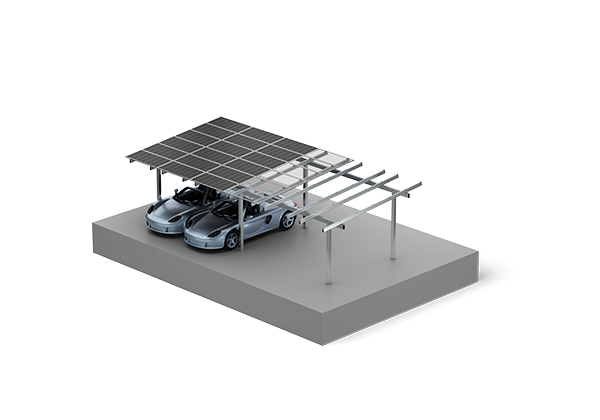
Solar carports serve multiple purposes by providing vehicle protection while supporting photovoltaic energy generation. Unlike traditional ground-mounted solar systems, carport structures must handle additional requirements because they are installed above active parking areas. The structure needs to support solar modules, resist weather conditions, and maintain safety for vehicles and users below.
Wind, snow, rain, and temperature changes can create different types of stress on solar carport structures. Without proper engineering analysis, these external forces may affect structural stability over time. Therefore, manufacturers must carefully evaluate load capacity, material strength, connection points, and overall system performance before delivering solutions to project sites.
For developers and contractors, working with experienced solar carport structures manufacturers means gaining access to professionally engineered systems that have undergone detailed structural evaluation. This reduces project risks and supports safer long-term operation.
Finite Element Analysis is a computer-based engineering method used to simulate how structures respond to different forces. By creating digital models, engineers can analyze stress distribution, deformation, and potential weak points before physical construction begins.
For solar carport structures, FEA allows engineers to evaluate various scenarios, including strong wind conditions, heavy snow loads, and dynamic forces caused by environmental changes. This can help identify areas that require reinforcement and support more efficient use of structural materials.
The advantage of FEA is that it supports optimization during the design stage. Instead of relying only on physical testing after production, engineers can make improvements earlier in the development process. This results in stronger structures, more efficient material usage, and reduced risks during installation and operation.
When analyzing solar carport structures, engineers consider several factors when evaluating structural performance. Load distribution is one of the primary evaluation areas because solar modules and supporting frames must transfer weight evenly throughout the structure.
Wind resistance is another essential factor. Since solar carports are often installed in open areas, they may experience strong wind pressure. FEA helps simulate these conditions and allows engineers to verify whether structural components can maintain stability under extreme weather.
Connection points are also carefully examined. Bolts, brackets, and joints play important roles in maintaining overall structural integrity. Through simulation, engineers can optimize these components to improve strength while maintaining practical installation requirements.
Material selection and structural geometry are equally important. Structural analysis can support design decisions involving structural performance, material use, and overall project requirements.
A reliable solar carport design must not only perform well in simulations but also support efficient real-world installation. Project owners and EPC teams need systems that are easy to assemble, maintain, and adapt to different site conditions.
Professional manufacturers consider installation factors during the design process. Modular components, simplified connections, and optimized structures can reduce construction time and improve project efficiency. This is especially valuable for commercial solar carport projects where installation schedules directly influence project returns.
Customization is another important capability. Different locations may have different parking layouts, climate conditions, and energy requirements. Manufacturers with strong engineering expertise can adjust structural designs according to specific project needs while maintaining safety standards.
FEA is only one part of a complete quality assurance process. Leading manufacturers combine simulation analysis with material testing, production control, and installation support to provide solar carport solutions that meet defined project requirements.
Quality control helps verify that manufactured components conform to applicable engineering specifications and production requirements. Proper manufacturing processes help prevent structural issues and support reliable operation throughout the system’s service life.
For investors and project developers, this comprehensive approach provides confidence that their solar carport systems can deliver both energy benefits and structural safety for years.
We are Antaisolar, dedicated to advancing the development and application of new energy through technological innovation. We provide comprehensive PV mounting system solutions, including fixed mounting systems, tracking systems, and BIPV solutions, covering all materials, functions, and services. With extensive industry experience and global project expertise, we support customers with customized solutions, engineering assistance, and professional project services.
Our solar carport mounting systems provide dual benefits by protecting vehicles while generating clean energy for residential, commercial, and EV charging applications. Our innovative carport solar mounting systems combine durable aluminum frames with efficient solar integration, creating shaded parking spaces that contribute to renewable energy generation.
Among our solutions, the Π Shape solar carport structure features a simple design and convenient installation process, making it suitable for various parking applications. It provides sufficient parking space while supporting reliable solar power generation, making it suitable for solar carport, carport solar mounting system, and residential solar carport projects.
Through advanced engineering concepts, practical installation designs, and comprehensive support, we help partners develop safe, efficient, and durable solar carport projects that maximize both energy production and long-term value.
Why Structural Safety Matters for Solar Carport Projects
Solar carports serve multiple purposes by providing vehicle protection while supporting photovoltaic energy generation. Unlike traditional ground-mounted solar systems, carport structures must handle additional requirements because they are installed above active parking areas. The structure needs to support solar modules, resist weather conditions, and maintain safety for vehicles and users below.
Wind, snow, rain, and temperature changes can create different types of stress on solar carport structures. Without proper engineering analysis, these external forces may affect structural stability over time. Therefore, manufacturers must carefully evaluate load capacity, material strength, connection points, and overall system performance before delivering solutions to project sites.
For developers and contractors, working with experienced solar carport structures manufacturers means gaining access to professionally engineered systems that have undergone detailed structural evaluation. This reduces project risks and supports safer long-term operation.
How FEA Structural Analysis Improves Solar Carport Design
Finite Element Analysis is a computer-based engineering method used to simulate how structures respond to different forces. By creating digital models, engineers can analyze stress distribution, deformation, and potential weak points before physical construction begins.For solar carport structures, FEA allows engineers to evaluate various scenarios, including strong wind conditions, heavy snow loads, and dynamic forces caused by environmental changes. This can help identify areas that require reinforcement and support more efficient use of structural materials.
The advantage of FEA is that it supports optimization during the design stage. Instead of relying only on physical testing after production, engineers can make improvements earlier in the development process. This results in stronger structures, more efficient material usage, and reduced risks during installation and operation.
Key Factors Evaluated Through Structural Simulation
When analyzing solar carport structures, engineers consider several factors when evaluating structural performance. Load distribution is one of the primary evaluation areas because solar modules and supporting frames must transfer weight evenly throughout the structure.Wind resistance is another essential factor. Since solar carports are often installed in open areas, they may experience strong wind pressure. FEA helps simulate these conditions and allows engineers to verify whether structural components can maintain stability under extreme weather.
Connection points are also carefully examined. Bolts, brackets, and joints play important roles in maintaining overall structural integrity. Through simulation, engineers can optimize these components to improve strength while maintaining practical installation requirements.
Material selection and structural geometry are equally important. Structural analysis can support design decisions involving structural performance, material use, and overall project requirements.
Combining Engineering Expertise with Practical Installation Needs
A reliable solar carport design must not only perform well in simulations but also support efficient real-world installation. Project owners and EPC teams need systems that are easy to assemble, maintain, and adapt to different site conditions.Professional manufacturers consider installation factors during the design process. Modular components, simplified connections, and optimized structures can reduce construction time and improve project efficiency. This is especially valuable for commercial solar carport projects where installation schedules directly influence project returns.
Customization is another important capability. Different locations may have different parking layouts, climate conditions, and energy requirements. Manufacturers with strong engineering expertise can adjust structural designs according to specific project needs while maintaining safety standards.
The Role of Quality Control in Long-Term Reliability
FEA is only one part of a complete quality assurance process. Leading manufacturers combine simulation analysis with material testing, production control, and installation support to provide solar carport solutions that meet defined project requirements.Quality control helps verify that manufactured components conform to applicable engineering specifications and production requirements. Proper manufacturing processes help prevent structural issues and support reliable operation throughout the system’s service life.
For investors and project developers, this comprehensive approach provides confidence that their solar carport systems can deliver both energy benefits and structural safety for years.
How Antaisolar's Solar Carport Mounting Systems Deliver Reliable Performance
We are Antaisolar, dedicated to advancing the development and application of new energy through technological innovation. We provide comprehensive PV mounting system solutions, including fixed mounting systems, tracking systems, and BIPV solutions, covering all materials, functions, and services. With extensive industry experience and global project expertise, we support customers with customized solutions, engineering assistance, and professional project services.Our solar carport mounting systems provide dual benefits by protecting vehicles while generating clean energy for residential, commercial, and EV charging applications. Our innovative carport solar mounting systems combine durable aluminum frames with efficient solar integration, creating shaded parking spaces that contribute to renewable energy generation.
Among our solutions, the Π Shape solar carport structure features a simple design and convenient installation process, making it suitable for various parking applications. It provides sufficient parking space while supporting reliable solar power generation, making it suitable for solar carport, carport solar mounting system, and residential solar carport projects.
Through advanced engineering concepts, practical installation designs, and comprehensive support, we help partners develop safe, efficient, and durable solar carport projects that maximize both energy production and long-term value.
end