
Ground-Mounted Solar Solutions for Commercial, Utility, and Agricultural Energy Development
May 22, 2026
Solar projects installed on open land are no longer limited to large power plants. Commercial businesses, utility developers, and agricultural operators are increasingly exploring ground-based photovoltaic systems because they offer greater flexibility in system layout, energy planning, and site utilization.
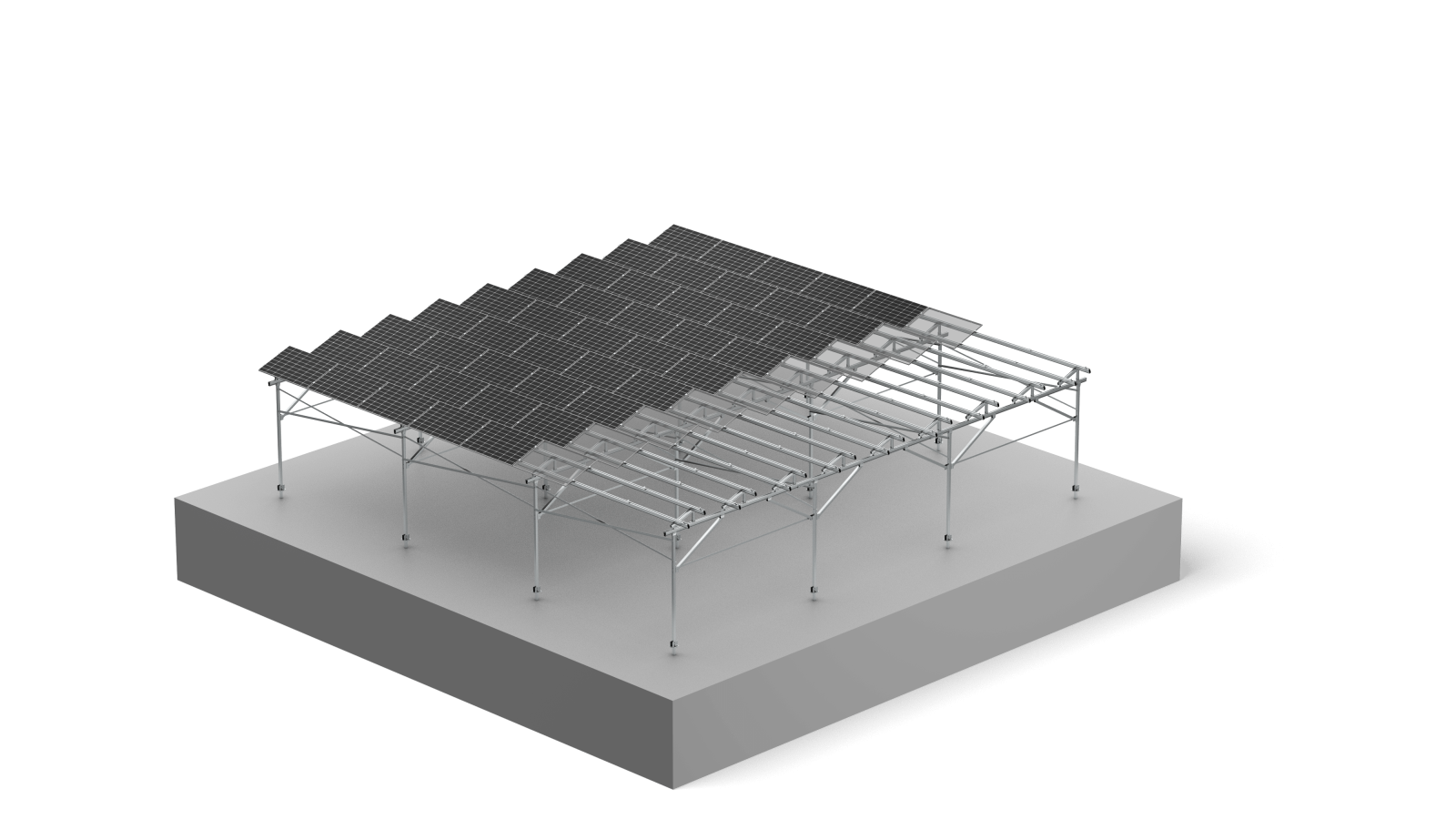
The mounting structure behind these installations determines how efficiently solar modules can be deployed and maintained. Different applications require different engineering approaches, from maximizing land efficiency in commercial projects to supporting large-scale deployment and agricultural activities.
Selecting the right structure requires a detailed understanding of site conditions, project objectives, and long-term operational needs. Ground-mounted solar racking provides a versatile foundation for these applications by combining structural reliability with adaptable installation methods.
Commercial solar projects often involve unique space and operational limitations. Businesses may have unused land near facilities, open areas surrounding industrial buildings, or properties where rooftop installation is not the most practical option.
Ground-mounted solar racking allows commercial developers to design solar arrays without being restricted by existing roof structures. The system layout can be optimized according to available land, electricity consumption patterns, and future expansion plans.
Compared with rooftop systems, ground installations typically offer easier access for inspection and maintenance. This accessibility can simplify routine servicing and allow technicians to manage system components more efficiently throughout the project lifecycle.
However, commercial applications still require careful planning. Factors such as soil conditions, local weather exposure, foundation selection, and module arrangement must be evaluated before construction begins. A well-designed mounting solution helps businesses achieve reliable solar generation without creating unnecessary installation challenges.
Large solar farms require mounting systems capable of supporting thousands or even millions of photovoltaic modules. At this scale, small differences in installation efficiency or structural performance can significantly affect project schedules and operating costs.
Ground-mounted solar racking used in utility projects must be engineered for consistent deployment across large areas. Developers need solutions that can adapt to different terrains while maintaining accurate module positioning and structural stability.
Engineering teams typically evaluate factors such as wind loads, soil characteristics, terrain slope, and environmental conditions before selecting the appropriate mounting configuration. These considerations influence foundation design, material selection, and installation methods.
Efficient construction is a key attribute of any reliable utility-scale structure. Standardized components, optimized designs, and simplified assembly procedures help reduce labor demands while improving project consistency and predictability.
These priorities are reflected in the ground-mounted solutions developed by Antaisolar, which are engineered for practical installation needs across diverse solar applications. With extensive experience in mounting systems, Antaisolar enables project teams to select configurations that align with specific site conditions and construction workflows.
Agricultural photovoltaic projects require a different approach because the land must support both energy production and farming activities. Unlike conventional solar farms, Agri-PV (agricultural photovoltaic) projects installations need to consider crop growth, equipment movement, and agricultural operations.
The mounting structure must provide sufficient space and flexibility for farmers while maintaining effective solar generation. Array height, spacing, and orientation become important design factors because they influence both electricity production and land usability.
Ground-mounted systems can be adapted for agricultural environments through customized layouts. Proper planning allows solar panels to coexist with farming activities, creating additional value from the same land area.
For agricultural operators, the success of an Agri-PV project depends on more than installing photovoltaic modules. The mounting design must support the practical requirements of daily farming operations while maintaining structural durability.
No two solar projects have exactly the same requirements. A commercial installation may prioritize construction speed and maintenance accessibility, while a utility project may focus on large-scale efficiency and long-term reliability.
Site analysis is the first step in selecting an appropriate mounting approach. Soil conditions determine suitable foundation methods, while climate conditions influence structural requirements and material choices.
Foundation selection is especially important for ground installations. Driven piles, ground screws, and other foundation solutions each provide different advantages depending on geological conditions and project requirements.
Installation methods also affect overall project performance. Systems designed with fewer complex procedures can reduce construction difficulties and help installation teams maintain consistent quality across large sites.
The durability of a ground-mounted solar system depends on how well the structure responds to environmental conditions throughout its service life. Wind resistance, corrosion protection, and mechanical stability are essential considerations during system design.
Materials used in mounting structures must maintain strength while exposed to outdoor environments for many years. Proper engineering ensures that the system continues supporting photovoltaic modules under changing weather conditions.
Maintenance accessibility is another important consideration. Solar arrays require periodic inspection, and a practical layout allows technicians to perform necessary checks more efficiently.
Ground-mounted solar racking is not simply a support framework for photovoltaic modules. It is a complete structural solution that influences installation quality, operational reliability, and project economics.
The demand for flexible solar deployment continues increasing across commercial, utility, and agricultural sectors. Each market has different priorities, but all require mounting solutions that combine performance, adaptability, and dependable engineering.
Commercial users need systems that maximize available land and simplify maintenance. Utility developers require structures that support large-scale construction. Agricultural projects need designs that balance energy generation with land productivity.
Every solar project presents its own set of conditions, and mounting solutions must be developed accordingly. Antaisolar responds by designing systems that address application-specific requirements—helping customers build installations that are not only practical to deploy but also sustainable over the long haul.
Ground-mounted solar projects require mounting solutions that match the specific demands of each application. Commercial facilities, utility-scale developers, and agricultural operators all face different challenges, making structural design and engineering compatibility essential factors in project planning.
Adaptability will define the next phase of solar deployment. Solutions must perform reliably across varied environments while remaining cost-effective to install and durable over decades of operation. A thorough assessment of site terrain, project requirements, and system architecture gives developers the insight they need to build on solid ground.
The mounting system is not merely a structural support—it influences everything from installation speed to long-term energy yield. When stakeholders choose the right approach for each application, they move closer to energy solutions that are truly efficient and lasting.
The mounting structure behind these installations determines how efficiently solar modules can be deployed and maintained. Different applications require different engineering approaches, from maximizing land efficiency in commercial projects to supporting large-scale deployment and agricultural activities.
Selecting the right structure requires a detailed understanding of site conditions, project objectives, and long-term operational needs. Ground-mounted solar racking provides a versatile foundation for these applications by combining structural reliability with adaptable installation methods.
Ground-Mounted Solar Racking for Commercial Solar Applications
Commercial solar projects often involve unique space and operational limitations. Businesses may have unused land near facilities, open areas surrounding industrial buildings, or properties where rooftop installation is not the most practical option.
Ground-mounted solar racking allows commercial developers to design solar arrays without being restricted by existing roof structures. The system layout can be optimized according to available land, electricity consumption patterns, and future expansion plans.
Compared with rooftop systems, ground installations typically offer easier access for inspection and maintenance. This accessibility can simplify routine servicing and allow technicians to manage system components more efficiently throughout the project lifecycle.
However, commercial applications still require careful planning. Factors such as soil conditions, local weather exposure, foundation selection, and module arrangement must be evaluated before construction begins. A well-designed mounting solution helps businesses achieve reliable solar generation without creating unnecessary installation challenges.
Utility-Scale Solar Farms Depend on Reliable Structural Design
Large solar farms require mounting systems capable of supporting thousands or even millions of photovoltaic modules. At this scale, small differences in installation efficiency or structural performance can significantly affect project schedules and operating costs.
Ground-mounted solar racking used in utility projects must be engineered for consistent deployment across large areas. Developers need solutions that can adapt to different terrains while maintaining accurate module positioning and structural stability.
Engineering teams typically evaluate factors such as wind loads, soil characteristics, terrain slope, and environmental conditions before selecting the appropriate mounting configuration. These considerations influence foundation design, material selection, and installation methods.
Efficient construction is a key attribute of any reliable utility-scale structure. Standardized components, optimized designs, and simplified assembly procedures help reduce labor demands while improving project consistency and predictability.
These priorities are reflected in the ground-mounted solutions developed by Antaisolar, which are engineered for practical installation needs across diverse solar applications. With extensive experience in mounting systems, Antaisolar enables project teams to select configurations that align with specific site conditions and construction workflows.
Supporting Agricultural Development Through Solar Integration
Agricultural photovoltaic projects require a different approach because the land must support both energy production and farming activities. Unlike conventional solar farms, Agri-PV (agricultural photovoltaic) projects installations need to consider crop growth, equipment movement, and agricultural operations.
The mounting structure must provide sufficient space and flexibility for farmers while maintaining effective solar generation. Array height, spacing, and orientation become important design factors because they influence both electricity production and land usability.
Ground-mounted systems can be adapted for agricultural environments through customized layouts. Proper planning allows solar panels to coexist with farming activities, creating additional value from the same land area.
For agricultural operators, the success of an Agri-PV project depends on more than installing photovoltaic modules. The mounting design must support the practical requirements of daily farming operations while maintaining structural durability.
Choosing the Right Structure Based on Project Conditions
No two solar projects have exactly the same requirements. A commercial installation may prioritize construction speed and maintenance accessibility, while a utility project may focus on large-scale efficiency and long-term reliability.
Site analysis is the first step in selecting an appropriate mounting approach. Soil conditions determine suitable foundation methods, while climate conditions influence structural requirements and material choices.
Foundation selection is especially important for ground installations. Driven piles, ground screws, and other foundation solutions each provide different advantages depending on geological conditions and project requirements.
Installation methods also affect overall project performance. Systems designed with fewer complex procedures can reduce construction difficulties and help installation teams maintain consistent quality across large sites.
Engineering Factors Behind Long-Term Performance
The durability of a ground-mounted solar system depends on how well the structure responds to environmental conditions throughout its service life. Wind resistance, corrosion protection, and mechanical stability are essential considerations during system design.
Materials used in mounting structures must maintain strength while exposed to outdoor environments for many years. Proper engineering ensures that the system continues supporting photovoltaic modules under changing weather conditions.
Maintenance accessibility is another important consideration. Solar arrays require periodic inspection, and a practical layout allows technicians to perform necessary checks more efficiently.
Ground-mounted solar racking is not simply a support framework for photovoltaic modules. It is a complete structural solution that influences installation quality, operational reliability, and project economics.
Expanding Opportunities Across Different Solar Markets
The demand for flexible solar deployment continues increasing across commercial, utility, and agricultural sectors. Each market has different priorities, but all require mounting solutions that combine performance, adaptability, and dependable engineering.
Commercial users need systems that maximize available land and simplify maintenance. Utility developers require structures that support large-scale construction. Agricultural projects need designs that balance energy generation with land productivity.
Every solar project presents its own set of conditions, and mounting solutions must be developed accordingly. Antaisolar responds by designing systems that address application-specific requirements—helping customers build installations that are not only practical to deploy but also sustainable over the long haul.
Conclusion
Ground-mounted solar projects require mounting solutions that match the specific demands of each application. Commercial facilities, utility-scale developers, and agricultural operators all face different challenges, making structural design and engineering compatibility essential factors in project planning.
Adaptability will define the next phase of solar deployment. Solutions must perform reliably across varied environments while remaining cost-effective to install and durable over decades of operation. A thorough assessment of site terrain, project requirements, and system architecture gives developers the insight they need to build on solid ground.
The mounting system is not merely a structural support—it influences everything from installation speed to long-term energy yield. When stakeholders choose the right approach for each application, they move closer to energy solutions that are truly efficient and lasting.
end