
How Maintenance-Free Polymer Bearings Enhance the Reliability of Utility Solar Tracking Systems
May 16, 2026
Utility-scale solar projects are designed to operate for decades, making component reliability a critical factor in overall system performance. While major structural elements such as torque tubes and support posts receive significant attention, smaller mechanical components can also directly influence tracker stability and operational efficiency.
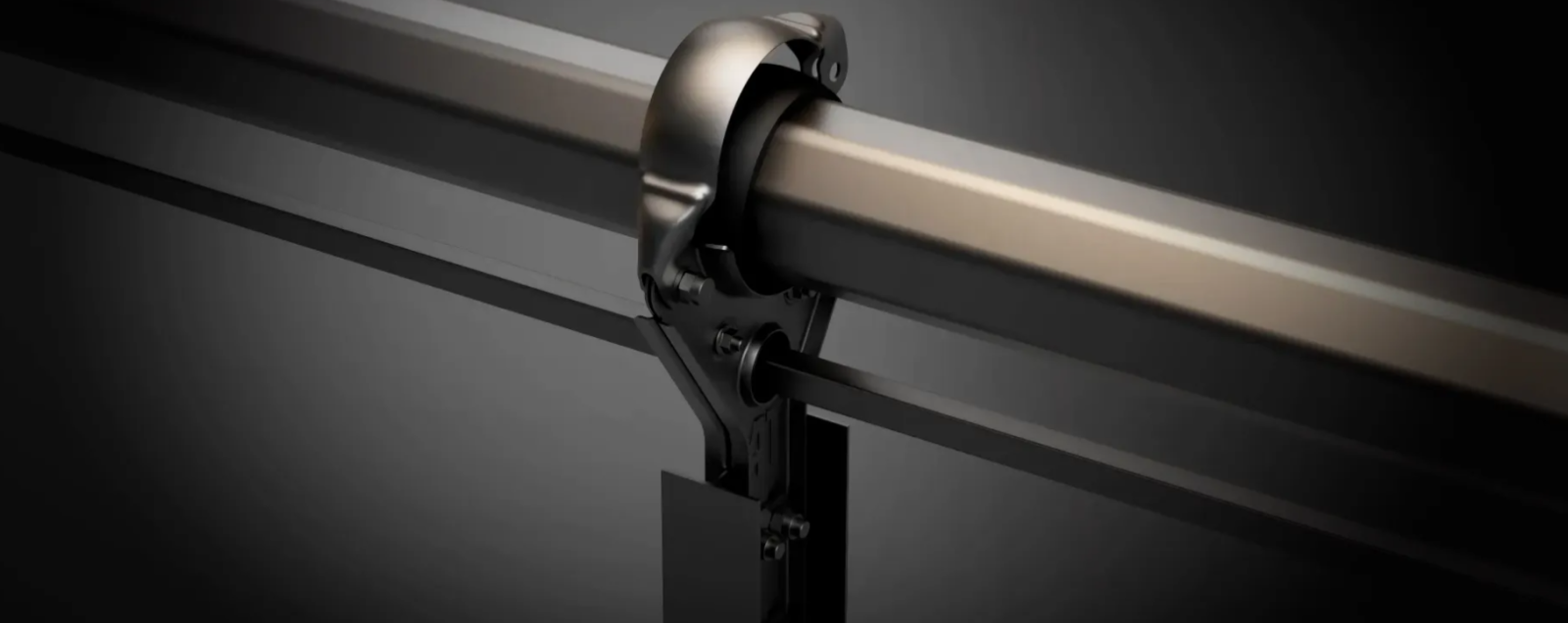
Bearings are essential parts of solar tracking systems because they enable controlled movement while supporting structural loads. In outdoor environments, these components must withstand temperature changes, dust, moisture, and continuous mechanical operation.
A maintenance-free polymer bearings design can help reduce service requirements while improving long-term reliability. We focus on developing tracker solutions that combine engineering performance with practical lifecycle advantages. Antaisolar’s approach considers every critical component to support stable operation in demanding solar environments.
Solar trackers depend on smooth and consistent movement to adjust panel positioning throughout the day. The bearing system directly affects how effectively the tracker can rotate while maintaining structural alignment.
Traditional bearing solutions may require regular inspection, lubrication, or servicing to sustain performance. In large solar installations, frequent maintenance can increase operational complexity because hundreds or thousands of tracking units may be distributed across extensive project areas.
Polymer bearings provide an alternative approach by reducing the need for routine maintenance procedures. The material characteristics of polymer bearings allow for operation without traditional lubrication in many applications, supporting simpler long-term operation.
For a utility-scale solar tracker, minimizing maintenance needs is especially valuable because project sites are often located in remote areas where access and service activities can be challenging.
Selecting a suitable polymer bearing requires careful evaluation of several performance factors. The first consideration is material durability because bearings must maintain their mechanical properties throughout long-term outdoor exposure.
Environmental resistance is another important requirement. Solar tracker components are exposed to rain, dust, ultraviolet radiation, and seasonal temperature variations. A reliable bearing solution must maintain stable operation despite these changing conditions.
Load capacity is also essential. Bearings support moving structures while allowing controlled rotation, meaning they must handle mechanical forces without excessive wear or deformation.
Low coefficient of friction is another advantage of well-designed polymer bearing systems. Reduced friction helps maintain smooth tracker movement and supports efficient mechanical operation throughout the project lifecycle.
We evaluate these factors during system development because bearing performance influences not only movement quality but also the overall reliability of the tracking system.
Large solar projects require effective operation and maintenance strategies to protect long-term energy production. Mechanical components that require frequent servicing can increase labor demands and create additional operational costs.
Maintenance-free polymer bearingss help simplify maintenance planning by reducing the need for regular lubrication and replacement activities. This allows project operators to focus resources on essential inspections and performance management.
For utility-scale installations, reducing maintenance complexity can be particularly beneficial. Thousands of moving points may exist across a solar field, and even small improvements in component reliability can create meaningful operational advantages.
A well-designed bearing system also supports consistent tracker movement. When mechanical components operate smoothly, the tracker can maintain accurate positioning and continue supporting optimized solar energy collection.
The movement system is one of the defining features of solar tracking technology. Unlike fixed mounting structures, trackers rely on mechanical adjustment to follow changing solar positions and improve energy generation potential.
Within this system, bearings provide the connection between stationary and moving components. Their performance affects rotation stability, structural interaction, and long-term mechanical behavior.
A reliable utility-scale solar tracker depends on the seamless coordination of structural design, drive mechanisms, controllers, and bearing solutions—each component must function as part of an integrated system to achieve dependable operation.
By addressing common maintenance challenges at the design stage, advanced bearing technologies contribute to more resilient tracker architectures—reducing the risk of performance degradation over the project's lifetime.
Modern solar tracker development increasingly emphasizes lifecycle value rather than only initial installation efficiency. Components designed for reduced maintenance can improve project predictability and support more sustainable operations.
A maintenance-oriented design considers the complete experience of project owners, including installation, operation, inspection, and long-term service requirements.
Polymer bearings represent this design philosophy by combining functional performance with simplified maintenance needs. Their integration into tracker systems demonstrates how material innovation can improve practical project outcomes.
Operational convenience and reliability are not secondary considerations—these are outcomes of intentional component-level engineering. Antaisolar pursues these outcomes through continuous exploration, ensuring that the trackers we support are equipped to perform dependably for years to come.
Maintenance-free polymer bearingss are becoming an important consideration for long-term solar tracker performance. Their ability to support smooth movement, reduce maintenance requirements, and withstand demanding outdoor conditions makes them valuable components in modern tracking systems.
The reliability of solar trackers over their lifecycle is often determined by the mechanical components at their core. Bearing systems, in particular, must be designed to withstand years of continuous motion while resisting wear and environmental stress.
Ongoing innovation in component design is essential to meeting these demands. By focusing on maintenance-free solutions and continuous improvement, the industry can develop tracking systems that require less intervention and deliver more consistent performance—strengthening the business case for renewable energy.
Bearings are essential parts of solar tracking systems because they enable controlled movement while supporting structural loads. In outdoor environments, these components must withstand temperature changes, dust, moisture, and continuous mechanical operation.
A maintenance-free polymer bearings design can help reduce service requirements while improving long-term reliability. We focus on developing tracker solutions that combine engineering performance with practical lifecycle advantages. Antaisolar’s approach considers every critical component to support stable operation in demanding solar environments.
Why Polymer Bearings Are Important for Solar Tracker Durability
Solar trackers depend on smooth and consistent movement to adjust panel positioning throughout the day. The bearing system directly affects how effectively the tracker can rotate while maintaining structural alignment.
Traditional bearing solutions may require regular inspection, lubrication, or servicing to sustain performance. In large solar installations, frequent maintenance can increase operational complexity because hundreds or thousands of tracking units may be distributed across extensive project areas.
Polymer bearings provide an alternative approach by reducing the need for routine maintenance procedures. The material characteristics of polymer bearings allow for operation without traditional lubrication in many applications, supporting simpler long-term operation.
For a utility-scale solar tracker, minimizing maintenance needs is especially valuable because project sites are often located in remote areas where access and service activities can be challenging.
Key Performance Criteria for Maintenance-Free Polymer Bearingss
Selecting a suitable polymer bearing requires careful evaluation of several performance factors. The first consideration is material durability because bearings must maintain their mechanical properties throughout long-term outdoor exposure.
Environmental resistance is another important requirement. Solar tracker components are exposed to rain, dust, ultraviolet radiation, and seasonal temperature variations. A reliable bearing solution must maintain stable operation despite these changing conditions.
Load capacity is also essential. Bearings support moving structures while allowing controlled rotation, meaning they must handle mechanical forces without excessive wear or deformation.
Low coefficient of friction is another advantage of well-designed polymer bearing systems. Reduced friction helps maintain smooth tracker movement and supports efficient mechanical operation throughout the project lifecycle.
We evaluate these factors during system development because bearing performance influences not only movement quality but also the overall reliability of the tracking system.
How Polymer Bearings Reduce Maintenance Challenges
Large solar projects require effective operation and maintenance strategies to protect long-term energy production. Mechanical components that require frequent servicing can increase labor demands and create additional operational costs.
Maintenance-free polymer bearingss help simplify maintenance planning by reducing the need for regular lubrication and replacement activities. This allows project operators to focus resources on essential inspections and performance management.
For utility-scale installations, reducing maintenance complexity can be particularly beneficial. Thousands of moving points may exist across a solar field, and even small improvements in component reliability can create meaningful operational advantages.
A well-designed bearing system also supports consistent tracker movement. When mechanical components operate smoothly, the tracker can maintain accurate positioning and continue supporting optimized solar energy collection.
The Role of Bearings in Utility-Scale Solar Tracker Performance
The movement system is one of the defining features of solar tracking technology. Unlike fixed mounting structures, trackers rely on mechanical adjustment to follow changing solar positions and improve energy generation potential.
Within this system, bearings provide the connection between stationary and moving components. Their performance affects rotation stability, structural interaction, and long-term mechanical behavior.
A reliable utility-scale solar tracker depends on the seamless coordination of structural design, drive mechanisms, controllers, and bearing solutions—each component must function as part of an integrated system to achieve dependable operation.
By addressing common maintenance challenges at the design stage, advanced bearing technologies contribute to more resilient tracker architectures—reducing the risk of performance degradation over the project's lifetime.
Engineering Advantages of Maintenance-Oriented Tracker Design
Modern solar tracker development increasingly emphasizes lifecycle value rather than only initial installation efficiency. Components designed for reduced maintenance can improve project predictability and support more sustainable operations.
A maintenance-oriented design considers the complete experience of project owners, including installation, operation, inspection, and long-term service requirements.
Polymer bearings represent this design philosophy by combining functional performance with simplified maintenance needs. Their integration into tracker systems demonstrates how material innovation can improve practical project outcomes.
Operational convenience and reliability are not secondary considerations—these are outcomes of intentional component-level engineering. Antaisolar pursues these outcomes through continuous exploration, ensuring that the trackers we support are equipped to perform dependably for years to come.
Building More Reliable Solar Tracking Through Better Components
Maintenance-free polymer bearingss are becoming an important consideration for long-term solar tracker performance. Their ability to support smooth movement, reduce maintenance requirements, and withstand demanding outdoor conditions makes them valuable components in modern tracking systems.
The reliability of solar trackers over their lifecycle is often determined by the mechanical components at their core. Bearing systems, in particular, must be designed to withstand years of continuous motion while resisting wear and environmental stress.
Ongoing innovation in component design is essential to meeting these demands. By focusing on maintenance-free solutions and continuous improvement, the industry can develop tracking systems that require less intervention and deliver more consistent performance—strengthening the business case for renewable energy.
end