
How Precision Calibration Ensures Accuracy in Solar Tracker Manufacturing Operations
May 07, 2026
The production of solar trackers requires much more than assembling structural components. Behind every reliable tracking system is a carefully controlled manufacturing process where production tooling and fixtures directly influences component consistency, assembly quality, and final system performance. As solar projects continue expanding in scale, maintaining precise production standards has become a critical responsibility for manufacturers.
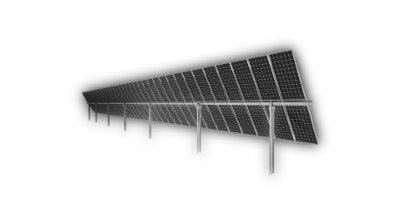
For companies involved in utility-scale solar development, the question is not only how a tracker operates in the field but also how accurately each component is produced before installation. From fabrication tools and welding positioning systems to inspection equipment, every production element must remain properly calibrated to avoid dimensional variations that may affect tracker performance.
Solar tracking system manufacturers must maintain strict calibration procedures because tracker components are produced according to specific engineering requirements. Unlike fixed mounting structures, solar trackers include moving assemblies that depend on accurate alignment between mechanical parts.
Production tooling, including cutting equipment, drilling fixtures, welding positioning systems, and measurement devices, can gradually experience changes after repeated operation. Even minor deviations in tooling accuracy may influence hole positioning, connection alignment, or component fit during assembly.
To manage these risks, manufacturers establish regular calibration schedules that verify whether production equipment continues meeting required standards. These inspections allow production teams to identify potential accuracy issues early and make adjustments before inconsistencies affect large quantities of components.
A solar tracker production line includes multiple manufacturing stages, and each stage requires controlled precision. Before materials are transformed into finished components, production equipment must be checked to ensure that fabrication processes remain stable.
Calibration typically involves comparing tooling performance against approved traceable calibration standards. If equipment produces results outside acceptable limits, adjustments or maintenance activities are performed to restore accuracy.
For solar tracker manufacturers, this process is especially important because large-scale projects require thousands of identical components. A small manufacturing variation repeated across an entire solar plant could create installation difficulties or increase the time required for field adjustments.
By maintaining accurate tooling conditions, manufacturers can create more consistent products and support smoother installation processes for solar developers and EPC contractors.
Precision calibration is closely connected with quality inspection procedures. After components are manufactured, inspection teams evaluate whether products meet design specifications before they are prepared for delivery.
Manufacturers use measurement methods to confirm critical dimensions, connection points, and structural characteristics. These checks help ensure that fabricated parts maintain consistency with engineering designs and production requirements.
The reliability of a solar tracker is established long before it reaches the project site—specifically, during the manufacturing phase. Antaisolar prioritizes controlled production processes and disciplined quality management to deliver tracking solutions that perform with accuracy and dependability in renewable energy applications.
Many people associate solar tracker performance only with control systems, motors, or tracking control logic. However, mechanical accuracy during manufacturing also plays an important role.
A tracker must move smoothly while maintaining structural stability under different environmental conditions. Properly calibrated production tools help ensure that mechanical components are manufactured with the consistency needed for reliable movement and assembly.
When tooling precision is maintained, installation teams can spend less time correcting component mismatches. This improves construction efficiency and helps projects achieve more predictable schedules.
For solar developers, understanding the relationship between manufacturing accuracy and field performance provides valuable insight when selecting a tracking solution.
Keeping production tools calibrated becomes more challenging as manufacturing volumes increase. Continuous operation places pressure on equipment, making regular monitoring necessary to maintain accuracy.
Environmental factors inside manufacturing facilities, equipment aging, and changes in production requirements can all influence tooling performance. Without effective calibration management, manufacturers may experience inconsistent production results.
To address these challenges, production teams need clear procedures for equipment inspection, calibration records, and maintenance planning. These practices help create a controlled manufacturing environment where quality remains stable even as output increases.
Large solar installations depend on thousands of tracker components working together. Because of this scale, manufacturing accuracy has a direct impact on construction efficiency and long-term system reliability.
If components are produced consistently, installation crews can assemble tracker structures more efficiently. Accurate parts reduce the possibility of delays caused by unexpected adjustments during construction.
Solar tracking system manufacturers that prioritize calibration management can provide greater confidence to project owners and engineering partners. The manufacturing process becomes a foundation for delivering reliable solutions that perform effectively throughout the project lifecycle.
Precision tooling calibration is one of the most important practices behind reliable solar tracker manufacturing. By regularly monitoring equipment accuracy, maintaining inspection procedures, and controlling production processes, manufacturers can ensure that every component meets required standards.
The future of solar energy will require tracking systems that deliver dependable performance across increasingly complex projects. Manufacturing accuracy will continue to play a key role in achieving this goal.
For renewable energy developers and industry partners, evaluating how a tracker is produced offers valuable insight into its expected reliability. Behind every advanced solar tracking system is a production line where precision, engineering discipline, and quality control work together to support clean energy growth.
For companies involved in utility-scale solar development, the question is not only how a tracker operates in the field but also how accurately each component is produced before installation. From fabrication tools and welding positioning systems to inspection equipment, every production element must remain properly calibrated to avoid dimensional variations that may affect tracker performance.
Solar Tracking System Manufacturers Rely on Precision Tooling Calibration
Solar tracking system manufacturers must maintain strict calibration procedures because tracker components are produced according to specific engineering requirements. Unlike fixed mounting structures, solar trackers include moving assemblies that depend on accurate alignment between mechanical parts.
Production tooling, including cutting equipment, drilling fixtures, welding positioning systems, and measurement devices, can gradually experience changes after repeated operation. Even minor deviations in tooling accuracy may influence hole positioning, connection alignment, or component fit during assembly.
To manage these risks, manufacturers establish regular calibration schedules that verify whether production equipment continues meeting required standards. These inspections allow production teams to identify potential accuracy issues early and make adjustments before inconsistencies affect large quantities of components.
Maintaining Tool Accuracy Throughout Solar Tracker Production Lines
A solar tracker production line includes multiple manufacturing stages, and each stage requires controlled precision. Before materials are transformed into finished components, production equipment must be checked to ensure that fabrication processes remain stable.
Calibration typically involves comparing tooling performance against approved traceable calibration standards. If equipment produces results outside acceptable limits, adjustments or maintenance activities are performed to restore accuracy.
For solar tracker manufacturers, this process is especially important because large-scale projects require thousands of identical components. A small manufacturing variation repeated across an entire solar plant could create installation difficulties or increase the time required for field adjustments.
By maintaining accurate tooling conditions, manufacturers can create more consistent products and support smoother installation processes for solar developers and EPC contractors.
How Manufacturers Verify Manufacturing Precision Before Delivery
Precision calibration is closely connected with quality inspection procedures. After components are manufactured, inspection teams evaluate whether products meet design specifications before they are prepared for delivery.
Manufacturers use measurement methods to confirm critical dimensions, connection points, and structural characteristics. These checks help ensure that fabricated parts maintain consistency with engineering designs and production requirements.
The reliability of a solar tracker is established long before it reaches the project site—specifically, during the manufacturing phase. Antaisolar prioritizes controlled production processes and disciplined quality management to deliver tracking solutions that perform with accuracy and dependability in renewable energy applications.
The Connection Between Calibration and Solar Tracker Performance
Many people associate solar tracker performance only with control systems, motors, or tracking control logic. However, mechanical accuracy during manufacturing also plays an important role.
A tracker must move smoothly while maintaining structural stability under different environmental conditions. Properly calibrated production tools help ensure that mechanical components are manufactured with the consistency needed for reliable movement and assembly.
When tooling precision is maintained, installation teams can spend less time correcting component mismatches. This improves construction efficiency and helps projects achieve more predictable schedules.
For solar developers, understanding the relationship between manufacturing accuracy and field performance provides valuable insight when selecting a tracking solution.
Challenges of Maintaining Calibration in High-Volume Production
Keeping production tools calibrated becomes more challenging as manufacturing volumes increase. Continuous operation places pressure on equipment, making regular monitoring necessary to maintain accuracy.
Environmental factors inside manufacturing facilities, equipment aging, and changes in production requirements can all influence tooling performance. Without effective calibration management, manufacturers may experience inconsistent production results.
To address these challenges, production teams need clear procedures for equipment inspection, calibration records, and maintenance planning. These practices help create a controlled manufacturing environment where quality remains stable even as output increases.
Why Manufacturing Precision Matters for Large Solar Projects
Large solar installations depend on thousands of tracker components working together. Because of this scale, manufacturing accuracy has a direct impact on construction efficiency and long-term system reliability.
If components are produced consistently, installation crews can assemble tracker structures more efficiently. Accurate parts reduce the possibility of delays caused by unexpected adjustments during construction.
Solar tracking system manufacturers that prioritize calibration management can provide greater confidence to project owners and engineering partners. The manufacturing process becomes a foundation for delivering reliable solutions that perform effectively throughout the project lifecycle.
Conclusion
Precision tooling calibration is one of the most important practices behind reliable solar tracker manufacturing. By regularly monitoring equipment accuracy, maintaining inspection procedures, and controlling production processes, manufacturers can ensure that every component meets required standards.
The future of solar energy will require tracking systems that deliver dependable performance across increasingly complex projects. Manufacturing accuracy will continue to play a key role in achieving this goal.
For renewable energy developers and industry partners, evaluating how a tracker is produced offers valuable insight into its expected reliability. Behind every advanced solar tracking system is a production line where precision, engineering discipline, and quality control work together to support clean energy growth.
end