
A Practical Guide to Selecting Single-Axis Tracking Solutions for Flat Solar Sites
May 19, 2026
Flat terrain is one of the most common site conditions for utility-scale photovoltaic projects because it simplifies construction, improves land utilization, and allows efficient deployment of large solar arrays. However, selecting the right tracking technology remains essential for achieving reliable energy production and long-term project value.
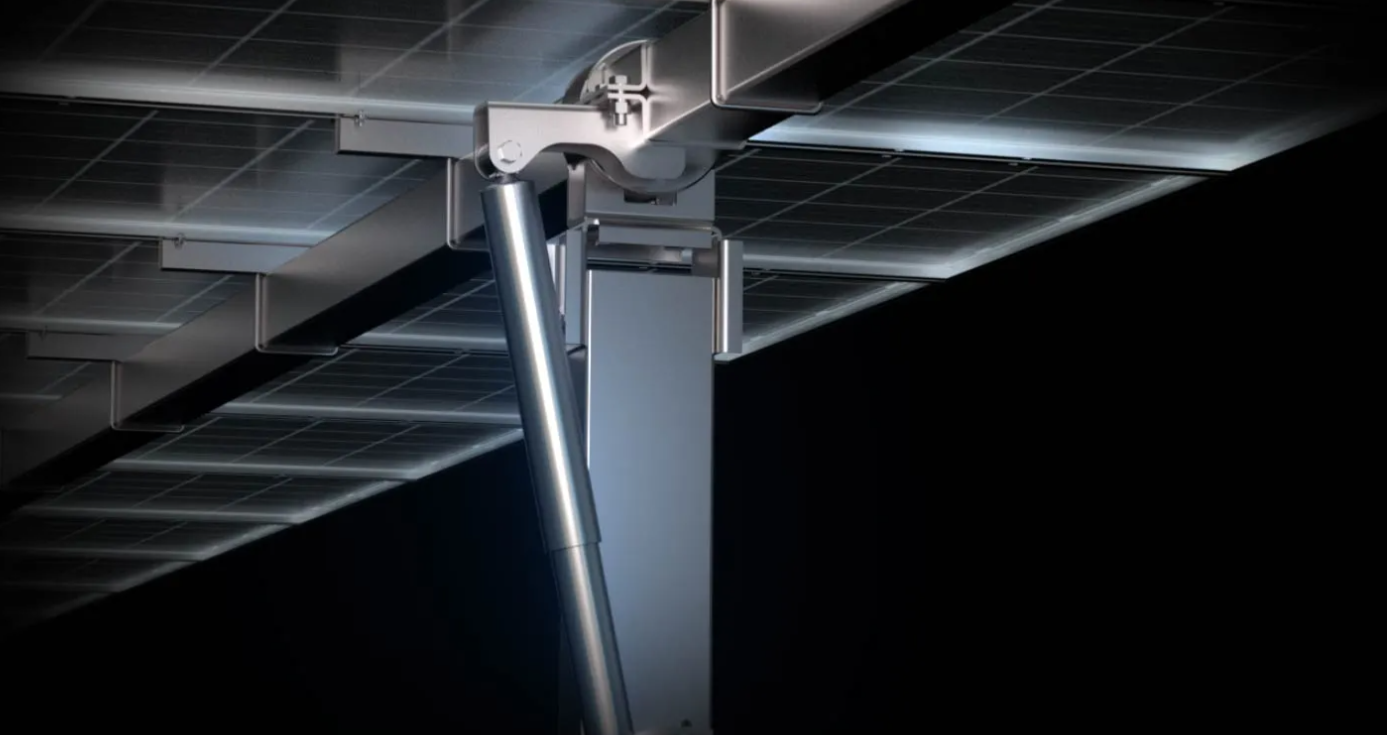
Although flat landscapes reduce some installation difficulties, developers still need to consider factors such as structural stability, operational efficiency, maintenance requirements, and construction speed. A properly designed tracking system can help maximize solar exposure while keeping project execution manageable.
Real project conditions demand tracking solutions that are engineered with site-specific realities in mind. At the same time, investors, developers, and EPC teams need clear visibility into the engineering benchmarks that define flat-terrain performance—so that every stage of planning and execution is grounded in technical and operational clarity.
A single-axis solar tracker allows photovoltaic modules to rotate along one axis to follow the sun’s movement throughout the day. Compared with fixed mounting structures, this movement helps improve sunlight utilization by maintaining a more favorable orientation during different periods.
Flat terrain provides a suitable foundation for tracking applications because the consistent landscape can simplify array arrangement and reduce complex earthwork requirements. This creates opportunities for efficient installation and streamlined project management.
For utility-scale developers, choosing the appropriate tracking approach requires evaluating energy gains alongside structural performance. The ideal system should provide reliable movement, accurate positioning, and stable operation under different environmental conditions.
When evaluating a single-axis solar tracker for a flat project, developers should examine several engineering factors. Structural design, component reliability, and system adaptability all influence long-term performance.
One important benchmark is the ability of the structure to support large photovoltaic modules while maintaining mechanical stability. The mounting system must handle operational movement and environmental forces without creating unnecessary stress on components.
Another consideration is the optimization of system layout. Efficient column spacing, simplified assembly procedures, and well-planned component integration can reduce installation complexity and improve overall project efficiency.
TAI-Simple from Antaisolar is designed with practical utility-scale requirements in mind, offering optimized structural configurations and installation-focused features. Antaisolar continues to develop solutions that help customers improve project execution while maintaining dependable system performance.
Even on flat terrain, solar tracking systems must be engineered according to local project conditions. Soil characteristics, wind exposure, module configuration, and site layout can influence structural requirements.
Foundation design is especially important because the tracking structure depends on stable support points. Engineers must evaluate ground conditions carefully to determine suitable installation methods and ensure long-term reliability.
The mechanical components responsible for movement also require careful consideration. Drives, bearings, and connection systems should operate smoothly while minimizing maintenance needs throughout the project lifecycle.
A well-balanced design approach helps prevent over-engineering while maintaining appropriate safety margins. This allows developers to achieve dependable performance without unnecessary increases in project costs.
Construction efficiency is a major priority for large solar projects. Flat terrain often provides advantages during installation, but the tracking system design still determines how quickly and effectively teams can complete deployment.
Pre-assembled components, simplified connections, and clear installation procedures can reduce labor requirements and improve project timelines. These factors are especially valuable when developing large solar farms with thousands of tracking units.
A reliable single-axis solar tracker should also support straightforward maintenance strategies. Easy access to important components allows operators to perform inspections and repairs more efficiently.
Long-term planning should consider not only initial installation but also the operational period of the solar plant. Systems that combine durability with practical maintenance requirements can help reduce unexpected downtime.
Modern tracking solutions increasingly incorporate intelligent control systems to improve accuracy and operational efficiency. Automated adjustments allow panels to respond to solar movement while reducing the need for manual intervention.
For flat-terrain projects, smart tracking technology helps maintain consistent energy production across large areas. Accurate positioning ensures that each module operates under favorable sunlight conditions throughout the day.
Developers should also consider compatibility with different photovoltaic module designs. Flexible tracking platforms can better support evolving solar technologies and changing project requirements.
By combining mechanical engineering with intelligent operation, tracking systems can deliver improved energy performance while maintaining reliable functionality over decades of operation.
Choosing a tracking system involves evaluating multiple factors rather than focusing only on energy output. Developers should consider installation conditions, system reliability, maintenance requirements, and overall project objectives.
A suitable solution should match the characteristics of the site while providing flexibility for future operational needs. Flat terrain projects benefit from systems that simplify construction while maintaining strong structural performance.
The best results come from selecting technology that has been designed around practical solar industry challenges. Careful evaluation during the planning stage can help reduce risks and support more predictable project outcomes.
Flat terrain creates excellent opportunities for utility-scale solar development, but successful projects still depend on thoughtful engineering and appropriate technology selection. Tracking systems must balance energy optimization, structural reliability, and installation efficiency.
By optimizing panel orientation throughout the day, a well-designed single-axis tracker helps developers boost solar generation while supporting stable, long-term operation. As the renewable energy industry continues its expansion, advanced tracking solutions will remain a key tool for making the most of available land and solar resources.
Effective solar solutions are born at the intersection of engineering knowledge and real-world project experience—a principle that guides Antaisolar's approach. Through ongoing innovation and practical design strategies, flat-terrain projects can realize greater efficiency and play a meaningful part in building a more sustainable energy future.
Although flat landscapes reduce some installation difficulties, developers still need to consider factors such as structural stability, operational efficiency, maintenance requirements, and construction speed. A properly designed tracking system can help maximize solar exposure while keeping project execution manageable.
Real project conditions demand tracking solutions that are engineered with site-specific realities in mind. At the same time, investors, developers, and EPC teams need clear visibility into the engineering benchmarks that define flat-terrain performance—so that every stage of planning and execution is grounded in technical and operational clarity.
Understanding the Role of Single-Axis Solar Tracker Systems on Flat Sites
A single-axis solar tracker allows photovoltaic modules to rotate along one axis to follow the sun’s movement throughout the day. Compared with fixed mounting structures, this movement helps improve sunlight utilization by maintaining a more favorable orientation during different periods.
Flat terrain provides a suitable foundation for tracking applications because the consistent landscape can simplify array arrangement and reduce complex earthwork requirements. This creates opportunities for efficient installation and streamlined project management.
For utility-scale developers, choosing the appropriate tracking approach requires evaluating energy gains alongside structural performance. The ideal system should provide reliable movement, accurate positioning, and stable operation under different environmental conditions.
Key Engineering Benchmarks for Flat-Terrain Tracking Systems
When evaluating a single-axis solar tracker for a flat project, developers should examine several engineering factors. Structural design, component reliability, and system adaptability all influence long-term performance.
One important benchmark is the ability of the structure to support large photovoltaic modules while maintaining mechanical stability. The mounting system must handle operational movement and environmental forces without creating unnecessary stress on components.
Another consideration is the optimization of system layout. Efficient column spacing, simplified assembly procedures, and well-planned component integration can reduce installation complexity and improve overall project efficiency.
TAI-Simple from Antaisolar is designed with practical utility-scale requirements in mind, offering optimized structural configurations and installation-focused features. Antaisolar continues to develop solutions that help customers improve project execution while maintaining dependable system performance.
Structural Design Considerations for Flat Solar Fields
Even on flat terrain, solar tracking systems must be engineered according to local project conditions. Soil characteristics, wind exposure, module configuration, and site layout can influence structural requirements.
Foundation design is especially important because the tracking structure depends on stable support points. Engineers must evaluate ground conditions carefully to determine suitable installation methods and ensure long-term reliability.
The mechanical components responsible for movement also require careful consideration. Drives, bearings, and connection systems should operate smoothly while minimizing maintenance needs throughout the project lifecycle.
A well-balanced design approach helps prevent over-engineering while maintaining appropriate safety margins. This allows developers to achieve dependable performance without unnecessary increases in project costs.
Installation Efficiency and Maintenance Planning
Construction efficiency is a major priority for large solar projects. Flat terrain often provides advantages during installation, but the tracking system design still determines how quickly and effectively teams can complete deployment.
Pre-assembled components, simplified connections, and clear installation procedures can reduce labor requirements and improve project timelines. These factors are especially valuable when developing large solar farms with thousands of tracking units.
A reliable single-axis solar tracker should also support straightforward maintenance strategies. Easy access to important components allows operators to perform inspections and repairs more efficiently.
Long-term planning should consider not only initial installation but also the operational period of the solar plant. Systems that combine durability with practical maintenance requirements can help reduce unexpected downtime.
Improving Project Performance Through Smart Tracking Technology
Modern tracking solutions increasingly incorporate intelligent control systems to improve accuracy and operational efficiency. Automated adjustments allow panels to respond to solar movement while reducing the need for manual intervention.
For flat-terrain projects, smart tracking technology helps maintain consistent energy production across large areas. Accurate positioning ensures that each module operates under favorable sunlight conditions throughout the day.
Developers should also consider compatibility with different photovoltaic module designs. Flexible tracking platforms can better support evolving solar technologies and changing project requirements.
By combining mechanical engineering with intelligent operation, tracking systems can deliver improved energy performance while maintaining reliable functionality over decades of operation.
Selecting the Right Solution for Flat Solar Developments
Choosing a tracking system involves evaluating multiple factors rather than focusing only on energy output. Developers should consider installation conditions, system reliability, maintenance requirements, and overall project objectives.
A suitable solution should match the characteristics of the site while providing flexibility for future operational needs. Flat terrain projects benefit from systems that simplify construction while maintaining strong structural performance.
The best results come from selecting technology that has been designed around practical solar industry challenges. Careful evaluation during the planning stage can help reduce risks and support more predictable project outcomes.
Conclusion
Flat terrain creates excellent opportunities for utility-scale solar development, but successful projects still depend on thoughtful engineering and appropriate technology selection. Tracking systems must balance energy optimization, structural reliability, and installation efficiency.
By optimizing panel orientation throughout the day, a well-designed single-axis tracker helps developers boost solar generation while supporting stable, long-term operation. As the renewable energy industry continues its expansion, advanced tracking solutions will remain a key tool for making the most of available land and solar resources.
Effective solar solutions are born at the intersection of engineering knowledge and real-world project experience—a principle that guides Antaisolar's approach. Through ongoing innovation and practical design strategies, flat-terrain projects can realize greater efficiency and play a meaningful part in building a more sustainable energy future.
end