
Choosing Between Local and Overseas Solar Tracker Suppliers for Reliable Project Delivery
May 18, 2026
For utility-scale photovoltaic projects, delivery reliability has become just as important as tracker performance. A delayed shipment, insufficient technical support, or unexpected installation difficulty can directly affect construction schedules and project returns.
When developers compare local suppliers with overseas suppliers, the decision is often more complicated than choosing the closest manufacturer. Local suppliers may provide shorter transportation distances and faster communication, while overseas suppliers may offer broader manufacturing experience, advanced engineering capabilities, and mature supply chains.
For companies evaluating single-axis solar tracker manufacturers, the better choice depends on how well the supplier can manage the complete delivery process, from engineering preparation and production to transportation and on-site support.
Many project owners initially assume that local manufacturers automatically provide faster delivery. While geographic proximity can reduce transportation time, delivery performance involves many additional factors.
A supplier’s production capacity, component availability, quality control system, and project management experience all influence whether equipment arrives on schedule. A nearby manufacturer with limited production capability may still face delays, while an experienced overseas supplier with established logistics processes may successfully deliver large-scale projects across different regions.
For solar tracker projects, delivery is not simply about shipping products. It involves engineering confirmation, manufacturing coordination, packaging, transportation planning, and installation preparation. Every stage must work together to maintain the project timeline.
Local suppliers often have advantages in regional communication and logistics coordination. They may understand local regulations, construction practices, and transportation conditions more directly.
This can be valuable for projects requiring frequent adjustments or rapid on-site responses. Local teams may also provide easier access for technical meetings and installation discussions.
However, overseas suppliers can offer advantages through larger manufacturing networks and experience supporting international projects. Many experienced single-axis solar tracker manufacturers have developed standardized production processes that allow them to manage complex orders across multiple markets.
A mature overseas supplier may provide consistent quality, optimized manufacturing efficiency, and established export procedures that support reliable project delivery.
Delivery success does not end when equipment reaches the project site. Solar tracker installation requires accurate technical coordination to ensure the system performs as expected.
Before construction begins and throughout the installation process, a capable supplier should provide engineering guidance—reviewing site conditions, verifying system specifications, and ensuring installation teams fully understand assembly sequences.
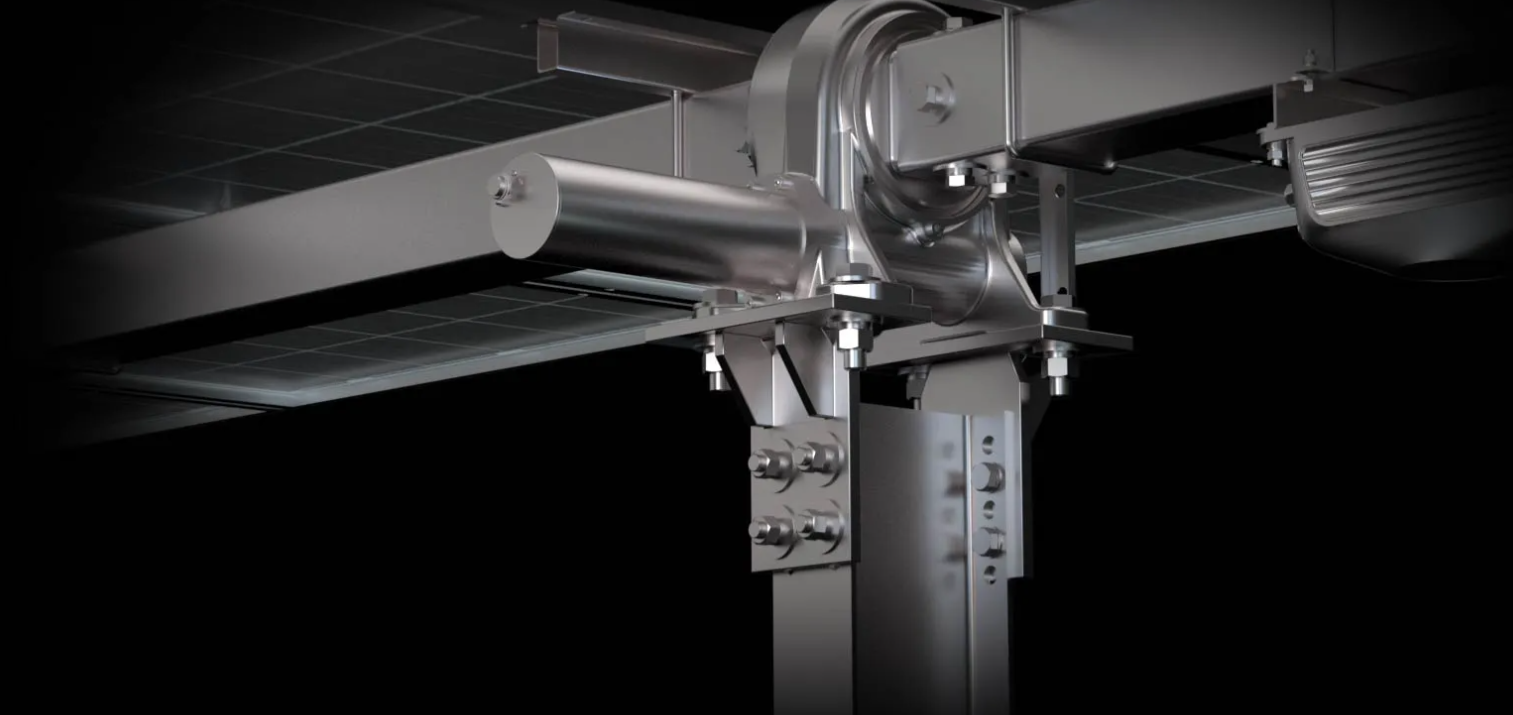
Antaisolar builds this level of support into every project, with the TAI-Simple tracker specifically designed to simplify implementation. Its optimized system design helps customers accelerate construction while preserving the reliable operation that utility-scale projects require.
For developers comparing suppliers, technical support capability can be a deciding factor. A manufacturer that provides strong engineering assistance can reduce installation risks and help avoid costly delays.
Large-scale solar projects often involve complex logistics, especially when equipment must be transported across borders. Experienced overseas suppliers typically have established procedures for international packaging, shipping coordination, and documentation management.
This experience becomes increasingly important for projects located in remote areas or regions with challenging transportation conditions.
When selecting among single-axis solar tracker manufacturers, developers should evaluate whether the supplier has successfully completed projects in different countries and environments. A proven delivery record demonstrates the ability to handle various requirements, including climate differences, regulatory expectations, and construction challenges.
Manufacturing experience also supports better production planning. Suppliers familiar with large international orders are often better prepared to manage schedule changes and maintain consistent product availability.
Another important consideration is the balance between customization and delivery efficiency. Local suppliers may sometimes provide highly flexible adjustments because of their proximity to customers.
However, excessive customization can increase engineering time and complicate production schedules. For large solar projects, standardized solutions can often improve manufacturing efficiency and reduce delivery uncertainty.
A well-designed tracker platform allows suppliers to provide reliable performance while adapting to different project requirements.
Solutions such as TAI-Simple demonstrate how optimized tracker designs can support faster deployment while maintaining the flexibility required for various installation scenarios.
The best supplier is not always the one closest to the project site. Developers should consider the overall value provided throughout the project lifecycle.
Important factors include delivery reliability, engineering support, product quality, spare parts availability, and long-term communication.
A supplier that understands global solar development trends can often provide valuable insights beyond equipment delivery. This partnership approach helps project owners manage future operational challenges and maintain system performance.
When comparing localized and overseas suppliers, the key question should be: which partner can provide the highest confidence from initial planning through long-term operation?
There is no universal answer to whether local or overseas manufacturers are better for solar tracker delivery. The right choice depends on project location, timeline requirements, technical complexity, and supplier capabilities.
Local suppliers may be suitable for projects that prioritize regional communication and nearby support. Overseas suppliers may be advantageous when developers need advanced manufacturing experience, international delivery capability, and proven large-scale project execution.
The most reliable approach is to evaluate suppliers based on complete delivery capability rather than geographical location alone.
Local versus overseas—the supplier decision involves more than geography. Transportation lead time is only one piece; engineering support, manufacturing consistency, logistics execution, and relevant project experience all factor into the final choice.
Experienced single-axis tracker manufacturers with mature production systems and global project exposure can offer developers a meaningful edge. Their knowledge often translates into better risk management and more reliable delivery outcomes.
And as project scale continues to grow worldwide, the strength of supplier partnerships will only increase in importance. Antaisolar is committed to this principle, offering solutions that combine proven technology with project-level support to make construction smoother and performance more sustainable over the long term.
When developers compare local suppliers with overseas suppliers, the decision is often more complicated than choosing the closest manufacturer. Local suppliers may provide shorter transportation distances and faster communication, while overseas suppliers may offer broader manufacturing experience, advanced engineering capabilities, and mature supply chains.
For companies evaluating single-axis solar tracker manufacturers, the better choice depends on how well the supplier can manage the complete delivery process, from engineering preparation and production to transportation and on-site support.
Delivery Performance Depends on More Than Manufacturing Location
Many project owners initially assume that local manufacturers automatically provide faster delivery. While geographic proximity can reduce transportation time, delivery performance involves many additional factors.
A supplier’s production capacity, component availability, quality control system, and project management experience all influence whether equipment arrives on schedule. A nearby manufacturer with limited production capability may still face delays, while an experienced overseas supplier with established logistics processes may successfully deliver large-scale projects across different regions.
For solar tracker projects, delivery is not simply about shipping products. It involves engineering confirmation, manufacturing coordination, packaging, transportation planning, and installation preparation. Every stage must work together to maintain the project timeline.
Comparing Localized and Overseas Supply Chain Advantages
Local suppliers often have advantages in regional communication and logistics coordination. They may understand local regulations, construction practices, and transportation conditions more directly.
This can be valuable for projects requiring frequent adjustments or rapid on-site responses. Local teams may also provide easier access for technical meetings and installation discussions.
However, overseas suppliers can offer advantages through larger manufacturing networks and experience supporting international projects. Many experienced single-axis solar tracker manufacturers have developed standardized production processes that allow them to manage complex orders across multiple markets.
A mature overseas supplier may provide consistent quality, optimized manufacturing efficiency, and established export procedures that support reliable project delivery.
Evaluating Technical Support During Project Execution
Delivery success does not end when equipment reaches the project site. Solar tracker installation requires accurate technical coordination to ensure the system performs as expected.
Before construction begins and throughout the installation process, a capable supplier should provide engineering guidance—reviewing site conditions, verifying system specifications, and ensuring installation teams fully understand assembly sequences.
Antaisolar builds this level of support into every project, with the TAI-Simple tracker specifically designed to simplify implementation. Its optimized system design helps customers accelerate construction while preserving the reliable operation that utility-scale projects require.
For developers comparing suppliers, technical support capability can be a deciding factor. A manufacturer that provides strong engineering assistance can reduce installation risks and help avoid costly delays.
Why Manufacturing Experience Matters for Global Delivery
Large-scale solar projects often involve complex logistics, especially when equipment must be transported across borders. Experienced overseas suppliers typically have established procedures for international packaging, shipping coordination, and documentation management.
This experience becomes increasingly important for projects located in remote areas or regions with challenging transportation conditions.
When selecting among single-axis solar tracker manufacturers, developers should evaluate whether the supplier has successfully completed projects in different countries and environments. A proven delivery record demonstrates the ability to handle various requirements, including climate differences, regulatory expectations, and construction challenges.
Manufacturing experience also supports better production planning. Suppliers familiar with large international orders are often better prepared to manage schedule changes and maintain consistent product availability.
Balancing Customization Needs and Standardized Delivery
Another important consideration is the balance between customization and delivery efficiency. Local suppliers may sometimes provide highly flexible adjustments because of their proximity to customers.
However, excessive customization can increase engineering time and complicate production schedules. For large solar projects, standardized solutions can often improve manufacturing efficiency and reduce delivery uncertainty.
A well-designed tracker platform allows suppliers to provide reliable performance while adapting to different project requirements.
Solutions such as TAI-Simple demonstrate how optimized tracker designs can support faster deployment while maintaining the flexibility required for various installation scenarios.
Assessing Long-Term Partnership Value
The best supplier is not always the one closest to the project site. Developers should consider the overall value provided throughout the project lifecycle.
Important factors include delivery reliability, engineering support, product quality, spare parts availability, and long-term communication.
A supplier that understands global solar development trends can often provide valuable insights beyond equipment delivery. This partnership approach helps project owners manage future operational challenges and maintain system performance.
When comparing localized and overseas suppliers, the key question should be: which partner can provide the highest confidence from initial planning through long-term operation?
Making the Right Choice for Solar Tracker Delivery
There is no universal answer to whether local or overseas manufacturers are better for solar tracker delivery. The right choice depends on project location, timeline requirements, technical complexity, and supplier capabilities.
Local suppliers may be suitable for projects that prioritize regional communication and nearby support. Overseas suppliers may be advantageous when developers need advanced manufacturing experience, international delivery capability, and proven large-scale project execution.
The most reliable approach is to evaluate suppliers based on complete delivery capability rather than geographical location alone.
Conclusion
Local versus overseas—the supplier decision involves more than geography. Transportation lead time is only one piece; engineering support, manufacturing consistency, logistics execution, and relevant project experience all factor into the final choice.
Experienced single-axis tracker manufacturers with mature production systems and global project exposure can offer developers a meaningful edge. Their knowledge often translates into better risk management and more reliable delivery outcomes.
And as project scale continues to grow worldwide, the strength of supplier partnerships will only increase in importance. Antaisolar is committed to this principle, offering solutions that combine proven technology with project-level support to make construction smoother and performance more sustainable over the long term.
end