
Key Factors for Choosing Cost-Effective Solar Trackers for Utility-Scale Projects
May 17, 2026
The rapid growth of utility-scale solar projects has increased demand for tracking solutions that can improve energy generation while maintaining reasonable investment levels. For developers and EPC companies, selecting the right tracker is no longer only about maximizing output; it also requires evaluating installation efficiency, operational reliability, and lifecycle costs.
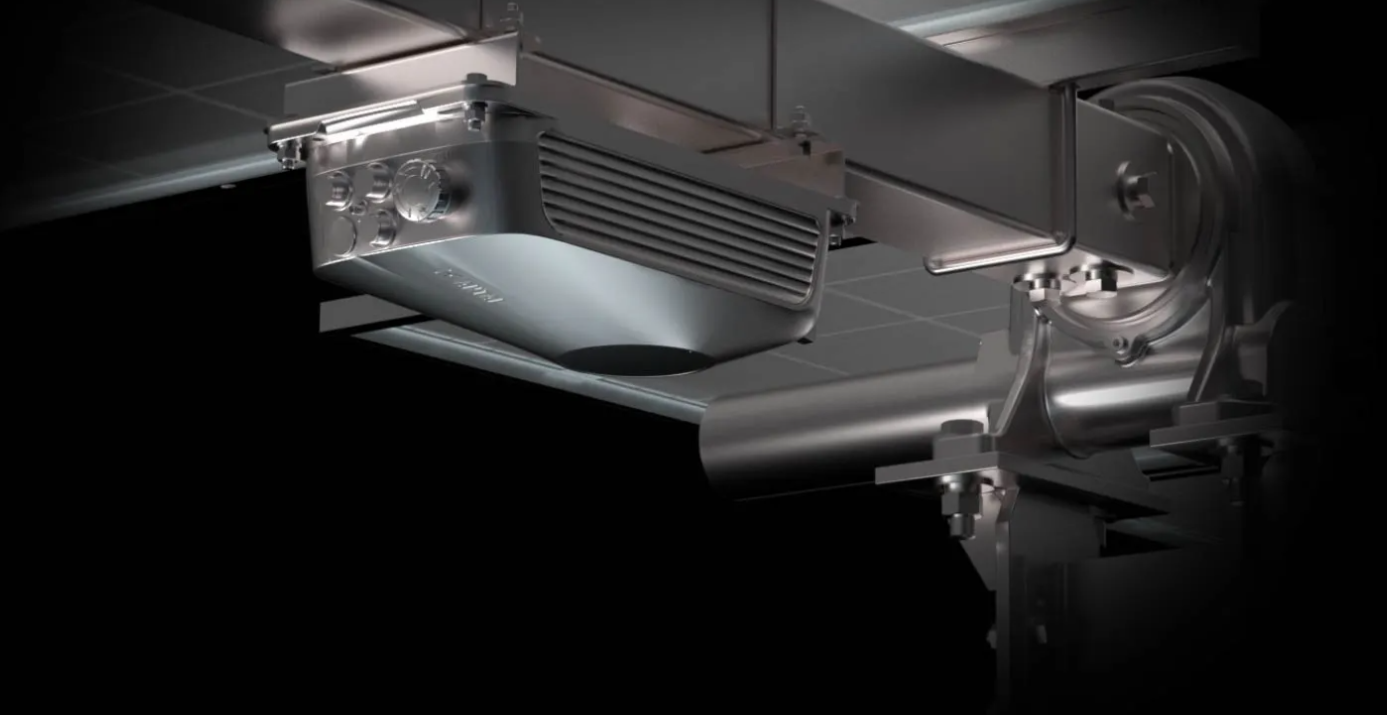
A cost-effective solar tracker should deliver practical value throughout the project period. The right selection metrics need to consider mechanical design, adaptability, maintenance requirements, and overall project economics rather than focusing only on the initial purchase cost.
Balancing performance and affordability is a core concern for solar developers when evaluating tracking solutions. By carefully weighing technical capabilities against financial considerations, project owners can make more informed choices that align with the specific conditions of each site.
When evaluating a tracker, the first consideration should be whether the system can provide strong performance without unnecessary complexity. TAI-Simple is designed as a single-axis tracking solution that focuses on simplified deployment, reliable operation, and cost optimization for utility-scale applications.
One important selection metric is structural efficiency. A well-designed tracker should reduce installation challenges while maintaining stability under different environmental conditions. Features such as optimized component layouts and simplified assembly methods can influence construction time and project expenses.
Another factor is compatibility with modern photovoltaic modules. As module sizes continue increasing, tracking systems must support larger formats while maintaining stable mechanical performance. TAI-Simple is designed to support large-format modules, providing flexibility for different project configurations.
For utility-scale developments, installation efficiency directly affects project schedules and costs. A tracker that requires complicated field assembly may increase labor requirements and create additional construction challenges.
A practical evaluation should examine how easily the system can be transported, assembled, and installed. Pre-assembled components, standardized designs, and optimized layouts can help reduce onsite workload and improve construction consistency.
TAI-Simple incorporates design approaches focused on simplifying deployment. Its optimized column layout helps reduce construction volume, while pre-assembled components support faster installation processes. These factors are important metrics when comparing cost-effective tracking solutions.
However, lower cost should not mean reduced reliability. A successful tracker selection requires balancing simplified installation with long-term durability.
Initial investment is only one part of a solar project’s financial evaluation. Maintenance requirements, replacement needs, and operational stability can significantly influence the total cost over the system lifetime.
A reliable tracking system should include durable mechanical components and intelligent control features that support consistent operation. The drive system, structural design, and monitoring capabilities all contribute to long-term performance.
The TAI-Simple solution uses a rotary motor design and an electronic control system that uses algorithms and real-time data to position the tracker effectively. These characteristics demonstrate why reliability should be included as a key selection metric alongside upfront cost.
For project owners, a tracker with predictable operation can help reduce unexpected maintenance expenses and improve long-term financial planning.
Every solar project has unique conditions, including terrain characteristics, climate factors, and installation limitations. A cost-effective tracker must be flexible enough to adapt to different environments.
Site adaptability should therefore be included when evaluating solar tracking solutions. Important considerations include slope tolerance, wind resistance, foundation requirements, and module compatibility.
TAI-Simple is developed with features that support practical project applications, including multi-damping mechanism for improved stability in high-wind conditions and an optimized structure for easier deployment.
For developers, selecting a tracker that matches the project environment can prevent additional engineering modifications and reduce construction uncertainty.
A cost-effective tracker should not be evaluated only by its purchase price. The ultimate goal of any tracking system is to improve energy capture and enhance project returns.
Energy yield depends on factors such as tracking range, control accuracy, terrain adaptation, and shading management. A tracker that improves sunlight utilization while controlling costs can provide better overall value.
TAI-Simple offers a tracking range designed to help photovoltaic modules follow the sun’s movement throughout the day. Its backtracking algorithms help reduce shading losses and support higher energy generation potential.
Technical performance and financial objectives must be aligned when selecting a tracker. A system that looks economical at the outset loses its appeal if it fails to deliver reliable operation and sound long-term returns.
The solar market includes many tracking technologies, and each project requires careful evaluation. Developers should create a comprehensive comparison framework instead of selecting equipment based only on price.
Key metrics should include installation complexity, structural reliability, maintenance requirements, energy performance, and adaptability. These factors provide a clearer picture of the tracker’s real value.
Practical solar mounting and tracking solutions must address the challenges that projects encounter in the field—not just theoretical conditions. The TAI-Simple tracker embodies this principle through efficient design, straightforward deployment, and dependable long-term performance—an approach that Antaisolar continues to advance across its product portfolio.
A thorough evaluation process helps project owners resist short-term decisions that often lead to higher costs down the line. Instead, it guides them toward systems that deliver consistent, stable benefits over the full lifecycle of the solar plant.
Choosing a cost-effective solar tracker requires more than comparing initial prices. Developers need to evaluate design efficiency, installation advantages, operational reliability, adaptability, and long-term return potential.
TAI-Simple demonstrates how simplified tracker design can support cost-conscious solar projects while maintaining important performance considerations.
For solar professionals navigating the ongoing expansion of utility-scale projects, selection metrics are becoming essential to securing competitive economics. Looking beyond cost alone and focusing on quantifiable performance factors enables more informed choices—tracking solutions that offer enduring value and contribute to renewable energy's sustained growth.
A cost-effective solar tracker should deliver practical value throughout the project period. The right selection metrics need to consider mechanical design, adaptability, maintenance requirements, and overall project economics rather than focusing only on the initial purchase cost.
Balancing performance and affordability is a core concern for solar developers when evaluating tracking solutions. By carefully weighing technical capabilities against financial considerations, project owners can make more informed choices that align with the specific conditions of each site.
TAI-Simple Selection Metrics for Cost-Conscious Solar Projects
When evaluating a tracker, the first consideration should be whether the system can provide strong performance without unnecessary complexity. TAI-Simple is designed as a single-axis tracking solution that focuses on simplified deployment, reliable operation, and cost optimization for utility-scale applications.
One important selection metric is structural efficiency. A well-designed tracker should reduce installation challenges while maintaining stability under different environmental conditions. Features such as optimized component layouts and simplified assembly methods can influence construction time and project expenses.
Another factor is compatibility with modern photovoltaic modules. As module sizes continue increasing, tracking systems must support larger formats while maintaining stable mechanical performance. TAI-Simple is designed to support large-format modules, providing flexibility for different project configurations.
Evaluating Solar Tracker Design and Installation Efficiency
For utility-scale developments, installation efficiency directly affects project schedules and costs. A tracker that requires complicated field assembly may increase labor requirements and create additional construction challenges.
A practical evaluation should examine how easily the system can be transported, assembled, and installed. Pre-assembled components, standardized designs, and optimized layouts can help reduce onsite workload and improve construction consistency.
TAI-Simple incorporates design approaches focused on simplifying deployment. Its optimized column layout helps reduce construction volume, while pre-assembled components support faster installation processes. These factors are important metrics when comparing cost-effective tracking solutions.
However, lower cost should not mean reduced reliability. A successful tracker selection requires balancing simplified installation with long-term durability.
Measuring Reliability and Long-Term Operating Value
Initial investment is only one part of a solar project’s financial evaluation. Maintenance requirements, replacement needs, and operational stability can significantly influence the total cost over the system lifetime.
A reliable tracking system should include durable mechanical components and intelligent control features that support consistent operation. The drive system, structural design, and monitoring capabilities all contribute to long-term performance.
The TAI-Simple solution uses a rotary motor design and an electronic control system that uses algorithms and real-time data to position the tracker effectively. These characteristics demonstrate why reliability should be included as a key selection metric alongside upfront cost.
For project owners, a tracker with predictable operation can help reduce unexpected maintenance expenses and improve long-term financial planning.
Solar Tracking System Adaptability for Different Site Conditions
Every solar project has unique conditions, including terrain characteristics, climate factors, and installation limitations. A cost-effective tracker must be flexible enough to adapt to different environments.
Site adaptability should therefore be included when evaluating solar tracking solutions. Important considerations include slope tolerance, wind resistance, foundation requirements, and module compatibility.
TAI-Simple is developed with features that support practical project applications, including multi-damping mechanism for improved stability in high-wind conditions and an optimized structure for easier deployment.
For developers, selecting a tracker that matches the project environment can prevent additional engineering modifications and reduce construction uncertainty.
Assessing Energy Yield and Return on Investment
A cost-effective tracker should not be evaluated only by its purchase price. The ultimate goal of any tracking system is to improve energy capture and enhance project returns.
Energy yield depends on factors such as tracking range, control accuracy, terrain adaptation, and shading management. A tracker that improves sunlight utilization while controlling costs can provide better overall value.
TAI-Simple offers a tracking range designed to help photovoltaic modules follow the sun’s movement throughout the day. Its backtracking algorithms help reduce shading losses and support higher energy generation potential.
Technical performance and financial objectives must be aligned when selecting a tracker. A system that looks economical at the outset loses its appeal if it fails to deliver reliable operation and sound long-term returns.
Why Selection Metrics Matter When Comparing Tracker Options
The solar market includes many tracking technologies, and each project requires careful evaluation. Developers should create a comprehensive comparison framework instead of selecting equipment based only on price.
Key metrics should include installation complexity, structural reliability, maintenance requirements, energy performance, and adaptability. These factors provide a clearer picture of the tracker’s real value.
Practical solar mounting and tracking solutions must address the challenges that projects encounter in the field—not just theoretical conditions. The TAI-Simple tracker embodies this principle through efficient design, straightforward deployment, and dependable long-term performance—an approach that Antaisolar continues to advance across its product portfolio.
A thorough evaluation process helps project owners resist short-term decisions that often lead to higher costs down the line. Instead, it guides them toward systems that deliver consistent, stable benefits over the full lifecycle of the solar plant.
Conclusion
Choosing a cost-effective solar tracker requires more than comparing initial prices. Developers need to evaluate design efficiency, installation advantages, operational reliability, adaptability, and long-term return potential.
TAI-Simple demonstrates how simplified tracker design can support cost-conscious solar projects while maintaining important performance considerations.
For solar professionals navigating the ongoing expansion of utility-scale projects, selection metrics are becoming essential to securing competitive economics. Looking beyond cost alone and focusing on quantifiable performance factors enables more informed choices—tracking solutions that offer enduring value and contribute to renewable energy's sustained growth.
end