
Engineering Solar Roof Mounts to Withstand Wind Uplift: Key Design Considerations for Reliable Installations
May 09, 2026
Photovoltaic systems are reaching more rooftops—commercial, industrial, and residential—and with that growth comes heightened focus on wind resistance. Roof-mounted systems must be engineered to handle variable weather conditions while maintaining long-term structural performance.
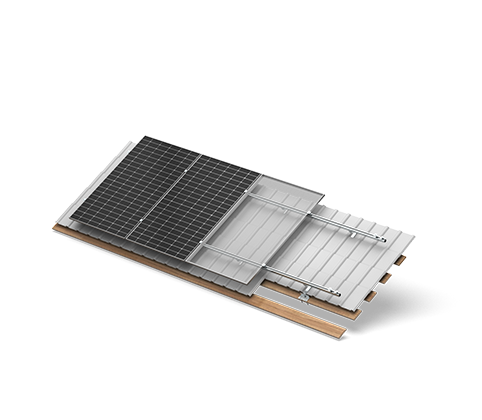
Wind uplift forces are especially critical because they create upward pressure that can affect modules, mounting components, roof attachments, and the overall stability of an installation. A properly engineered system must account for these forces from the earliest design stage.
We focus on developing rooftop solar solutions that balance structural performance, installation efficiency, and long-term reliability. Understanding wind behavior and engineering principles helps project owners make better decisions when selecting mounting systems.
Wind uplift occurs when air flows over and around a solar array, creating pressure differences between the upper and lower surfaces of the panels. Unlike simple downward loading from the weight of equipment, uplift forces can pull against fasteners and attachment points.
The intensity of wind uplift depends on multiple factors, including building height, roof shape, installation location, panel arrangement, and surrounding environmental conditions. Open areas with strong wind exposure often require more careful structural evaluation.
Solar engineers typically analyze wind speed, external pressure coefficients , and load distribution to determine how forces transfer through the mounting structure. This process ensures that every component works together as part of a complete load-bearing system.
Choosing the right solar panel roof rack mount requires careful consideration of both engineering requirements and site conditions. A suitable solution should distribute wind loads evenly while reducing stress concentration on individual connection points.
Mounting structures must be designed with appropriate materials, connection methods, and attachment strategies. Aluminum and galvanized steel components are commonly selected because they provide durability, corrosion resistance, and reliable mechanical performance.
We consider factors such as roof type, module layout, and local environmental conditions when developing rooftop solutions. This approach allows each system to be adapted to different project requirements instead of relying on a generic design approach.
Another important factor is the interaction between the solar array and the existing building structure. The roof must be capable of supporting additional loads, while attachments need to transfer forces safely without damaging the waterproofing layer or structural framework.
Professional solar system design relies on established engineering methods to evaluate wind performance. Engineers review site-specific conditions and apply appropriate standards to calculate expected loads.
Important benchmarks include basic wind speed (per ASCE 7), exposure category, building characteristics, and array geometry. These factors influence how much pressure the panels experience during extreme weather events.
The position of solar modules on the roof also affects wind behavior. Panels installed near roof edges and corners often experience higher uplift pressure because airflow becomes more turbulent in these areas.
For this reason, many designs use reinforced attachment zones or optimized layouts to improve stability. Proper spacing and positioning can reduce unnecessary stress while maintaining efficient use of available roof space.
Even a well-designed mounting solution requires accurate installation to achieve expected performance. Incorrect fastening, poor alignment, or improper component assembly can reduce the system’s ability to handle wind forces.
Installation teams should follow engineering specifications carefully, including torque requirements, attachment locations, and connection procedures. Regular inspections during installation help identify potential issues before the system becomes operational.
A reliable solar panel roof rack mount also depends on compatibility between mounting hardware and the roof structure. Installers need to consider whether the roof uses metal sheets, concrete, tiles, or other materials because each surface requires different attachment methods.
Maintenance is another important aspect of long-term wind performance. Periodic checks can identify loose connections, corrosion, or component wear caused by environmental exposure.
Strong wind resistance does not mean sacrificing installation speed or economic value. Modern mounting systems are designed to provide structural reliability while simplifying transportation, assembly, and maintenance.
Optimized engineering can reduce unnecessary materials while maintaining safety margins. This helps project developers achieve a balance between initial investment and long-term operational performance.
Supporting solar projects means designing for the conditions they will actually face. Our focus is on mounting systems that perform reliably across variable weather, helping to advance the renewable energy transition in practical, tangible ways.
Wind-related failures can lead to equipment damage, unexpected repair costs, and reduced energy production. Careful planning during the design stage helps prevent these risks and improves project confidence.
A professional engineering approach considers the complete system rather than individual components. The panels, mounting structures, attachments, and roof surface must function together to create a dependable installation.
When selecting a rooftop mounting solution, developers should evaluate technical expertise, design flexibility, and proven engineering practices. These factors contribute to safer solar investments and more predictable performance.
Antaisolar applies extensive industry knowledge to help customers address structural challenges in rooftop solar applications. By focusing on engineering accuracy and practical installation requirements, we help create systems designed for reliable renewable energy generation.
Wind uplift forces will remain a major consideration as rooftop solar adoption continues growing worldwide. Strong engineering, accurate load assessment, and suitable mounting designs are essential for protecting solar assets against challenging weather conditions.
Future solar installations will require solutions that combine safety, efficiency, and adaptability. By understanding wind behavior and applying thoughtful structural principles, project owners can improve system durability and achieve greater long-term value.
Reliable solar development depends on a balance of advanced engineering and hands-on installation experience. Antaisolar holds this combination as essential—well-designed rooftop systems must not only endure environmental pressures but also contribute to a more resilient clean energy future.
Wind uplift forces are especially critical because they create upward pressure that can affect modules, mounting components, roof attachments, and the overall stability of an installation. A properly engineered system must account for these forces from the earliest design stage.
We focus on developing rooftop solar solutions that balance structural performance, installation efficiency, and long-term reliability. Understanding wind behavior and engineering principles helps project owners make better decisions when selecting mounting systems.
Understanding Wind Uplift Forces in Rooftop Solar Projects
Wind uplift occurs when air flows over and around a solar array, creating pressure differences between the upper and lower surfaces of the panels. Unlike simple downward loading from the weight of equipment, uplift forces can pull against fasteners and attachment points.
The intensity of wind uplift depends on multiple factors, including building height, roof shape, installation location, panel arrangement, and surrounding environmental conditions. Open areas with strong wind exposure often require more careful structural evaluation.
Solar engineers typically analyze wind speed, external pressure coefficients , and load distribution to determine how forces transfer through the mounting structure. This process ensures that every component works together as part of a complete load-bearing system.
Solar Panel Roof Rack Mount Design Principles for Wind Resistance
Choosing the right solar panel roof rack mount requires careful consideration of both engineering requirements and site conditions. A suitable solution should distribute wind loads evenly while reducing stress concentration on individual connection points.
Mounting structures must be designed with appropriate materials, connection methods, and attachment strategies. Aluminum and galvanized steel components are commonly selected because they provide durability, corrosion resistance, and reliable mechanical performance.
We consider factors such as roof type, module layout, and local environmental conditions when developing rooftop solutions. This approach allows each system to be adapted to different project requirements instead of relying on a generic design approach.
Another important factor is the interaction between the solar array and the existing building structure. The roof must be capable of supporting additional loads, while attachments need to transfer forces safely without damaging the waterproofing layer or structural framework.
Engineering Benchmarks Used for Wind Load Evaluation
Professional solar system design relies on established engineering methods to evaluate wind performance. Engineers review site-specific conditions and apply appropriate standards to calculate expected loads.
Important benchmarks include basic wind speed (per ASCE 7), exposure category, building characteristics, and array geometry. These factors influence how much pressure the panels experience during extreme weather events.
The position of solar modules on the roof also affects wind behavior. Panels installed near roof edges and corners often experience higher uplift pressure because airflow becomes more turbulent in these areas.
For this reason, many designs use reinforced attachment zones or optimized layouts to improve stability. Proper spacing and positioning can reduce unnecessary stress while maintaining efficient use of available roof space.
Installation Practices That Improve Structural Performance
Even a well-designed mounting solution requires accurate installation to achieve expected performance. Incorrect fastening, poor alignment, or improper component assembly can reduce the system’s ability to handle wind forces.
Installation teams should follow engineering specifications carefully, including torque requirements, attachment locations, and connection procedures. Regular inspections during installation help identify potential issues before the system becomes operational.
A reliable solar panel roof rack mount also depends on compatibility between mounting hardware and the roof structure. Installers need to consider whether the roof uses metal sheets, concrete, tiles, or other materials because each surface requires different attachment methods.
Maintenance is another important aspect of long-term wind performance. Periodic checks can identify loose connections, corrosion, or component wear caused by environmental exposure.
Balancing Wind Protection With Solar Project Efficiency
Strong wind resistance does not mean sacrificing installation speed or economic value. Modern mounting systems are designed to provide structural reliability while simplifying transportation, assembly, and maintenance.
Optimized engineering can reduce unnecessary materials while maintaining safety margins. This helps project developers achieve a balance between initial investment and long-term operational performance.
Supporting solar projects means designing for the conditions they will actually face. Our focus is on mounting systems that perform reliably across variable weather, helping to advance the renewable energy transition in practical, tangible ways.
How Proper Engineering Reduces Long-Term Project Risks
Wind-related failures can lead to equipment damage, unexpected repair costs, and reduced energy production. Careful planning during the design stage helps prevent these risks and improves project confidence.
A professional engineering approach considers the complete system rather than individual components. The panels, mounting structures, attachments, and roof surface must function together to create a dependable installation.
When selecting a rooftop mounting solution, developers should evaluate technical expertise, design flexibility, and proven engineering practices. These factors contribute to safer solar investments and more predictable performance.
Antaisolar applies extensive industry knowledge to help customers address structural challenges in rooftop solar applications. By focusing on engineering accuracy and practical installation requirements, we help create systems designed for reliable renewable energy generation.
Conclusion
Wind uplift forces will remain a major consideration as rooftop solar adoption continues growing worldwide. Strong engineering, accurate load assessment, and suitable mounting designs are essential for protecting solar assets against challenging weather conditions.
Future solar installations will require solutions that combine safety, efficiency, and adaptability. By understanding wind behavior and applying thoughtful structural principles, project owners can improve system durability and achieve greater long-term value.
Reliable solar development depends on a balance of advanced engineering and hands-on installation experience. Antaisolar holds this combination as essential—well-designed rooftop systems must not only endure environmental pressures but also contribute to a more resilient clean energy future.
end