
How to Source a Solar Tracker Manufacturer for Extreme Desert Sand Abrasion Conditions
May 08, 2026
For utility-scale solar projects located in extreme desert regions, selecting the right tracker supplier is one of the most important decisions during the development process. Harsh environments with moving dunes, strong winds, and continuous sand exposure can quickly reveal the limitations of ordinary solar tracking systems.
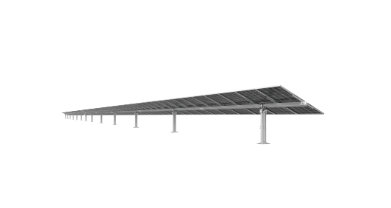
When project owners search for a global solar tracker manufacturer, the key question is not simply who can provide tracking equipment, but who can deliver a solution capable of maintaining reliable performance under severe sand abrasion conditions.
Finding the right supplier requires a comprehensive evaluation of engineering capability, environmental adaptability, manufacturing experience, and long-term support. We believe that successful desert solar projects begin with selecting a partner that understands the unique demands of these challenging locations.
The first step in sourcing a suitable tracker supplier is identifying what makes desert dune projects different from conventional solar installations. In these environments, airborne sand particles can continuously impact exposed structures and moving components.
A supplier experienced in desert applications should understand that sand abrasion is not merely a surface phenomenon. Over time, abrasive particles can affect mechanical movement, protective coatings, connection points, and equipment reliability if the system is not designed appropriately.
Developers should therefore look for manufacturers that consider environmental conditions during the early design stage. The ideal partner should be able to analyze local factors such as wind patterns, dune activity, temperature variations, and installation conditions before recommending a tracker solution.
A supplier that understands these challenges can help prevent performance issues before construction begins.
When sourcing a tracker partner, engineering expertise should be one of the first evaluation criteria. Extreme desert projects require more than standard tracking technology because every structural component must work reliably under continuous environmental stress.
A qualified manufacturer should have the ability to optimize tracker structures according to project conditions. This includes evaluating mechanical loads, selecting suitable materials, and designing systems that maintain stability during severe weather events.
Desert applications demand special attention to the durability of critical components. Drive systems, tracker bearings, fasteners, and structural connections must all be engineered for sustained operation with minimal maintenance access.
These requirements guide the development of Antaisolar's solar mounting solutions. By working closely with customers to understand site-specific challenges, we deliver tracker systems built for reliable performance in the most demanding environments.
Experience is another important factor when selecting a global solar tracker manufacturer. A company that has delivered projects across different climates is more likely to understand the practical challenges associated with desert deployment.
Project owners should review whether a supplier has experience with large-scale solar installations in regions exposed to high temperatures, strong winds, and dust or sand conditions.
A manufacturer’s experience is not only reflected in completed projects but also in its ability to provide engineering recommendations before installation. Suppliers with practical knowledge can help customers make better decisions regarding system configuration, construction methods, and operational planning.
This experience reduces uncertainty during project execution and improves confidence in long-term system performance.
One of the most important questions during supplier evaluation is how the tracker design addresses continuous sand exposure. Desert sand abrasion requires specific considerations that may not be necessary in other environments.
A suitable tracker solution should minimize areas where sand accumulation could affect mechanical operation. It should also incorporate reliable protection strategies to improve resistance against abrasive conditions.
Developers should ask manufacturers about their approach to component protection, maintenance requirements, and expected performance under harsh outdoor exposure.
The ability to withstand sand-scouring is not determined by a single component. Instead, it depends on how the entire system is engineered, from structural design to mechanical operation and installation methods.
A strong supplier selection process should also include an evaluation of manufacturing quality. Desert solar projects often involve significant investment, making long-term reliability more important than short-term equipment savings.
Manufacturers with strict quality control processes can provide greater confidence that tracker components will perform consistently throughout the project lifecycle.
Project owners should consider factors such as production standards, component testing procedures, supply chain capability, and technical support availability. These elements influence whether a tracker system can continue operating efficiently after years of exposure to extreme conditions.
Choosing a reliable supplier helps reduce unexpected maintenance costs and supports stable energy production.
Sourcing a tracker manufacturer is not only about purchasing hardware. For complex desert projects, developers need a partner that can provide technical support throughout planning, installation, and operation.
A capable supplier should assist with engineering discussions, installation guidance, and solutions for unexpected site challenges.
This comprehensive approach is especially valuable for remote desert projects, where delayed troubleshooting can significantly affect project schedules and operating performance.
The best supplier relationships are built on cooperation rather than simple equipment transactions. A manufacturer that remains involved throughout the project lifecycle can contribute greater value to the solar investment.
Finding a solar tracker supplier capable of handling extreme desert sand abrasion requires careful evaluation of technical expertise, project experience, manufacturing quality, and long-term service capability.
The right global solar tracker manufacturer should understand the specific risks of desert environments and provide solutions designed for durability, stability, and reliable operation. Project developers should focus on proven engineering capabilities rather than selecting equipment based only on initial cost.
With desert solar deployment expanding across the globe, the choice of an experienced, adaptable tracker partner is becoming increasingly critical. Advanced engineering, when combined with practical project knowledge, provides the foundation for building installations that perform reliably—even in the most challenging environments.
When project owners search for a global solar tracker manufacturer, the key question is not simply who can provide tracking equipment, but who can deliver a solution capable of maintaining reliable performance under severe sand abrasion conditions.
Finding the right supplier requires a comprehensive evaluation of engineering capability, environmental adaptability, manufacturing experience, and long-term support. We believe that successful desert solar projects begin with selecting a partner that understands the unique demands of these challenging locations.
Start with Understanding Desert-Specific Tracker Requirements
The first step in sourcing a suitable tracker supplier is identifying what makes desert dune projects different from conventional solar installations. In these environments, airborne sand particles can continuously impact exposed structures and moving components.
A supplier experienced in desert applications should understand that sand abrasion is not merely a surface phenomenon. Over time, abrasive particles can affect mechanical movement, protective coatings, connection points, and equipment reliability if the system is not designed appropriately.
Developers should therefore look for manufacturers that consider environmental conditions during the early design stage. The ideal partner should be able to analyze local factors such as wind patterns, dune activity, temperature variations, and installation conditions before recommending a tracker solution.
A supplier that understands these challenges can help prevent performance issues before construction begins.
Evaluate the Manufacturer’s Engineering Capability
When sourcing a tracker partner, engineering expertise should be one of the first evaluation criteria. Extreme desert projects require more than standard tracking technology because every structural component must work reliably under continuous environmental stress.
A qualified manufacturer should have the ability to optimize tracker structures according to project conditions. This includes evaluating mechanical loads, selecting suitable materials, and designing systems that maintain stability during severe weather events.
Desert applications demand special attention to the durability of critical components. Drive systems, tracker bearings, fasteners, and structural connections must all be engineered for sustained operation with minimal maintenance access.
These requirements guide the development of Antaisolar's solar mounting solutions. By working closely with customers to understand site-specific challenges, we deliver tracker systems built for reliable performance in the most demanding environments.
Check Experience with Extreme Climate Solar Projects
Experience is another important factor when selecting a global solar tracker manufacturer. A company that has delivered projects across different climates is more likely to understand the practical challenges associated with desert deployment.
Project owners should review whether a supplier has experience with large-scale solar installations in regions exposed to high temperatures, strong winds, and dust or sand conditions.
A manufacturer’s experience is not only reflected in completed projects but also in its ability to provide engineering recommendations before installation. Suppliers with practical knowledge can help customers make better decisions regarding system configuration, construction methods, and operational planning.
This experience reduces uncertainty during project execution and improves confidence in long-term system performance.
Assess How the Tracker Handles Sand-Scouring Risks
One of the most important questions during supplier evaluation is how the tracker design addresses continuous sand exposure. Desert sand abrasion requires specific considerations that may not be necessary in other environments.
A suitable tracker solution should minimize areas where sand accumulation could affect mechanical operation. It should also incorporate reliable protection strategies to improve resistance against abrasive conditions.
Developers should ask manufacturers about their approach to component protection, maintenance requirements, and expected performance under harsh outdoor exposure.
The ability to withstand sand-scouring is not determined by a single component. Instead, it depends on how the entire system is engineered, from structural design to mechanical operation and installation methods.
Consider Manufacturing Quality and Long-Term Reliability
A strong supplier selection process should also include an evaluation of manufacturing quality. Desert solar projects often involve significant investment, making long-term reliability more important than short-term equipment savings.
Manufacturers with strict quality control processes can provide greater confidence that tracker components will perform consistently throughout the project lifecycle.
Project owners should consider factors such as production standards, component testing procedures, supply chain capability, and technical support availability. These elements influence whether a tracker system can continue operating efficiently after years of exposure to extreme conditions.
Choosing a reliable supplier helps reduce unexpected maintenance costs and supports stable energy production.
Look Beyond Equipment Supply During Procurement
Sourcing a tracker manufacturer is not only about purchasing hardware. For complex desert projects, developers need a partner that can provide technical support throughout planning, installation, and operation.
A capable supplier should assist with engineering discussions, installation guidance, and solutions for unexpected site challenges.
This comprehensive approach is especially valuable for remote desert projects, where delayed troubleshooting can significantly affect project schedules and operating performance.
The best supplier relationships are built on cooperation rather than simple equipment transactions. A manufacturer that remains involved throughout the project lifecycle can contribute greater value to the solar investment.
Conclusion
Finding a solar tracker supplier capable of handling extreme desert sand abrasion requires careful evaluation of technical expertise, project experience, manufacturing quality, and long-term service capability.
The right global solar tracker manufacturer should understand the specific risks of desert environments and provide solutions designed for durability, stability, and reliable operation. Project developers should focus on proven engineering capabilities rather than selecting equipment based only on initial cost.
With desert solar deployment expanding across the globe, the choice of an experienced, adaptable tracker partner is becoming increasingly critical. Advanced engineering, when combined with practical project knowledge, provides the foundation for building installations that perform reliably—even in the most challenging environments.
end