
How Global Solar Carport Manufacturers Maintain Quality Consistency Across Multiple Production Sites
May 30, 2026
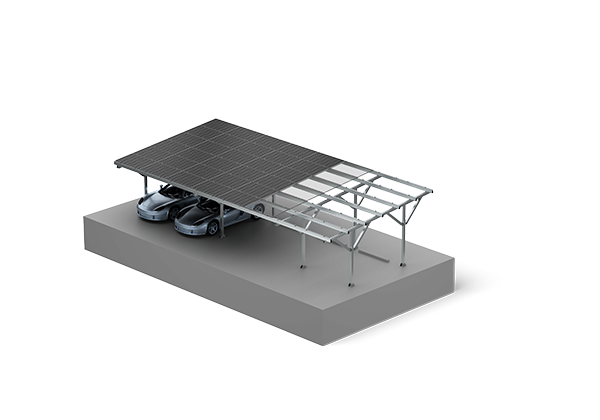
A solar carport structure may go through a complex manufacturing process before reaching the installation site. Raw materials, structural processing, surface treatment, quality inspection, and logistics coordination all influence the final performance of the system.
For companies operating multiple production facilities, maintaining the same quality standard across every plant is one of the most challenging tasks. A small variation in material handling, fabrication accuracy, or assembly procedures can create difficulties during installation and affect long-term structural reliability.
Global solar projects require manufacturers to manage these challenges through systematic quality control. From factory-level processes to engineering verification, every stage must work together to ensure that each solar carport structure delivers consistent performance in different markets and environments.
For solar carport structures manufacturers, the first step toward reliable quality control is creating unified production standards across all manufacturing locations. Different factories may have their own equipment, suppliers, and operating conditions, but the final products must meet the same technical requirements.
Standardized procedures help production teams follow consistent methods for cutting, drilling, welding, coating, and assembly. Detailed manufacturing guidelines reduce variations between plants and make it easier to maintain accuracy throughout large-volume production.
This consistency is especially important for solar carport projects because structural components are often installed together from different production batches. If dimensions or connection details vary, installation teams may face unexpected adjustments at the construction site.
A well-managed manufacturing network ensures that every component follows the same design specifications before shipment. This creates a smoother installation process and reduces potential delays caused by quality inconsistencies.
The performance of a solar carport structure depends heavily on the quality of the materials used during manufacturing. Steel, aluminum, fasteners, and protective coatings must meet specific requirements to support long-term outdoor operation.
Quality control begins with incoming material inspections. Manufacturers need to verify material specifications, surface conditions, and supplier compliance before materials enter the production line.
During fabrication, additional checks are required to confirm that components maintain their intended strength and accuracy. Processes such as welding, drilling, and surface treatment directly influence the durability of the finished structure.
For solar carport structures manufacturers, preventing quality issues at the earliest stage is more effective than correcting problems after production is completed. A controlled material supply chain provides a stronger foundation for reliable solar infrastructure.
Multiple production plants require a clear inspection framework to ensure that every factory follows the same quality expectations. Inspection procedures help identify potential issues before components are delivered to project locations.
Manufacturers may conduct checks throughout different production stages, including raw material verification, component measurement, assembly inspection, and finished product evaluation.
These inspections serve not only to identify defects. They also provide valuable information for improving manufacturing efficiency and preventing repeated problems.
Consistent inspection systems allow factories to monitor performance over time. When quality data is collected and analyzed, production teams can identify areas for improvement and optimize manufacturing methods.
This approach is especially valuable for large-scale solar projects where thousands of structural components must work together accurately after installation.
Operating several manufacturing facilities requires effective communication and data management. Digital tools help manufacturers maintain visibility across different production locations and improve coordination between teams.
Production monitoring systems can track manufacturing progress, inspection results, and quality records. These records create better traceability, allowing teams to review production information when technical questions arise.
Digital management also supports faster decision-making. When a potential issue appears at one facility, similar processes at other plants can be reviewed to prevent the same problem from occurring elsewhere.
Technology provides manufacturers with stronger quality control capabilities, but successful implementation still depends on experienced engineers and production teams who understand the practical requirements of solar projects.
Solar carports are used in various environments, including commercial parking areas, industrial facilities, and public infrastructure locations. Each application presents different structural requirements.
Factors such as wind conditions, local regulations, foundation types, and installation methods can influence the final design. A reliable manufacturer must ensure that production quality remains consistent while allowing engineering adjustments for different projects.
Antaisolar develops solar carport solutions designed for diverse application scenarios, including structures that integrate photovoltaic generation with parking facilities. The product approach emphasizes structural reliability, efficient installation, and compatibility with different project requirements.
Maintaining quality across global markets requires manufacturers to connect factory production with engineering design. This ensures that the manufactured components are suitable for their intended application rather than simply meeting general production standards.
A manufacturing network depends on more than factory equipment. Suppliers and production teams play equally important roles in maintaining product consistency.
Reliable manufacturers establish clear supplier requirements to control the quality of incoming materials and components. Regular evaluation helps ensure that suppliers continue meeting technical expectations.
Employee training is another essential part of quality management. Workers across different plants need a clear understanding of production standards, inspection procedures, and safety requirements.
When teams share the same quality mindset, manufacturers can reduce differences between facilities and create more reliable production systems.
Choosing a manufacturer for a solar carport project involves evaluating more than product availability. Developers and EPC companies need confidence that the supplier can maintain stable quality throughout large-scale production.
Important considerations include manufacturing capabilities, quality management systems, engineering support, and production traceability.
A manufacturer with strong quality control processes can help reduce installation risks and improve project efficiency. Consistent components make construction smoother, reduce adjustments, and support better long-term system performance.
For international solar projects, manufacturing reliability becomes a key factor in achieving predictable results across different locations.
Quality consistency across multiple production plants requires a combination of standardized processes, strict inspections, advanced management tools, and experienced teams.
Solar carport structures manufacturers must create manufacturing systems that deliver reliable performance regardless of where components are produced. From material selection to final inspection, every step contributes to the overall quality of the finished structure.
Global solar development depends not only on innovative designs but also on reliable manufacturing capabilities. Companies that successfully control quality across multiple facilities can provide stronger support for solar projects and help build more reliable renewable energy infrastructure.
For companies operating multiple production facilities, maintaining the same quality standard across every plant is one of the most challenging tasks. A small variation in material handling, fabrication accuracy, or assembly procedures can create difficulties during installation and affect long-term structural reliability.
Global solar projects require manufacturers to manage these challenges through systematic quality control. From factory-level processes to engineering verification, every stage must work together to ensure that each solar carport structure delivers consistent performance in different markets and environments.
Standardizing Production Processes Across Multiple Plants
For solar carport structures manufacturers, the first step toward reliable quality control is creating unified production standards across all manufacturing locations. Different factories may have their own equipment, suppliers, and operating conditions, but the final products must meet the same technical requirements.
Standardized procedures help production teams follow consistent methods for cutting, drilling, welding, coating, and assembly. Detailed manufacturing guidelines reduce variations between plants and make it easier to maintain accuracy throughout large-volume production.
This consistency is especially important for solar carport projects because structural components are often installed together from different production batches. If dimensions or connection details vary, installation teams may face unexpected adjustments at the construction site.
A well-managed manufacturing network ensures that every component follows the same design specifications before shipment. This creates a smoother installation process and reduces potential delays caused by quality inconsistencies.
Controlling Material Quality from the Beginning
The performance of a solar carport structure depends heavily on the quality of the materials used during manufacturing. Steel, aluminum, fasteners, and protective coatings must meet specific requirements to support long-term outdoor operation.
Quality control begins with incoming material inspections. Manufacturers need to verify material specifications, surface conditions, and supplier compliance before materials enter the production line.
During fabrication, additional checks are required to confirm that components maintain their intended strength and accuracy. Processes such as welding, drilling, and surface treatment directly influence the durability of the finished structure.
For solar carport structures manufacturers, preventing quality issues at the earliest stage is more effective than correcting problems after production is completed. A controlled material supply chain provides a stronger foundation for reliable solar infrastructure.
Using Inspection Systems to Maintain Manufacturing Accuracy
Multiple production plants require a clear inspection framework to ensure that every factory follows the same quality expectations. Inspection procedures help identify potential issues before components are delivered to project locations.
Manufacturers may conduct checks throughout different production stages, including raw material verification, component measurement, assembly inspection, and finished product evaluation.
These inspections serve not only to identify defects. They also provide valuable information for improving manufacturing efficiency and preventing repeated problems.
Consistent inspection systems allow factories to monitor performance over time. When quality data is collected and analyzed, production teams can identify areas for improvement and optimize manufacturing methods.
This approach is especially valuable for large-scale solar projects where thousands of structural components must work together accurately after installation.
Managing Quality Through Digital Manufacturing Tools
Operating several manufacturing facilities requires effective communication and data management. Digital tools help manufacturers maintain visibility across different production locations and improve coordination between teams.
Production monitoring systems can track manufacturing progress, inspection results, and quality records. These records create better traceability, allowing teams to review production information when technical questions arise.
Digital management also supports faster decision-making. When a potential issue appears at one facility, similar processes at other plants can be reviewed to prevent the same problem from occurring elsewhere.
Technology provides manufacturers with stronger quality control capabilities, but successful implementation still depends on experienced engineers and production teams who understand the practical requirements of solar projects.
Adapting Quality Standards to Different Solar Carport Applications
Solar carports are used in various environments, including commercial parking areas, industrial facilities, and public infrastructure locations. Each application presents different structural requirements.
Factors such as wind conditions, local regulations, foundation types, and installation methods can influence the final design. A reliable manufacturer must ensure that production quality remains consistent while allowing engineering adjustments for different projects.
Antaisolar develops solar carport solutions designed for diverse application scenarios, including structures that integrate photovoltaic generation with parking facilities. The product approach emphasizes structural reliability, efficient installation, and compatibility with different project requirements.
Maintaining quality across global markets requires manufacturers to connect factory production with engineering design. This ensures that the manufactured components are suitable for their intended application rather than simply meeting general production standards.
Strengthening Quality Through Supplier and Workforce Management
A manufacturing network depends on more than factory equipment. Suppliers and production teams play equally important roles in maintaining product consistency.
Reliable manufacturers establish clear supplier requirements to control the quality of incoming materials and components. Regular evaluation helps ensure that suppliers continue meeting technical expectations.
Employee training is another essential part of quality management. Workers across different plants need a clear understanding of production standards, inspection procedures, and safety requirements.
When teams share the same quality mindset, manufacturers can reduce differences between facilities and create more reliable production systems.
Why Quality Control Matters When Selecting a Solar Carport Partner
Choosing a manufacturer for a solar carport project involves evaluating more than product availability. Developers and EPC companies need confidence that the supplier can maintain stable quality throughout large-scale production.
Important considerations include manufacturing capabilities, quality management systems, engineering support, and production traceability.
A manufacturer with strong quality control processes can help reduce installation risks and improve project efficiency. Consistent components make construction smoother, reduce adjustments, and support better long-term system performance.
For international solar projects, manufacturing reliability becomes a key factor in achieving predictable results across different locations.
Conclusion
Quality consistency across multiple production plants requires a combination of standardized processes, strict inspections, advanced management tools, and experienced teams.
Solar carport structures manufacturers must create manufacturing systems that deliver reliable performance regardless of where components are produced. From material selection to final inspection, every step contributes to the overall quality of the finished structure.
Global solar development depends not only on innovative designs but also on reliable manufacturing capabilities. Companies that successfully control quality across multiple facilities can provide stronger support for solar projects and help build more reliable renewable energy infrastructure.
end