
How Northern Solar Carports Are Engineered to Handle Extreme Snow Conditions
May 29, 2026
A solar carport in a northern climate is not simply a parking structure with photovoltaic panels integrated into the roof structure. It is a multi-functional system that must support energy generation, vehicle protection, and structural safety while facing some of the most demanding weather conditions.
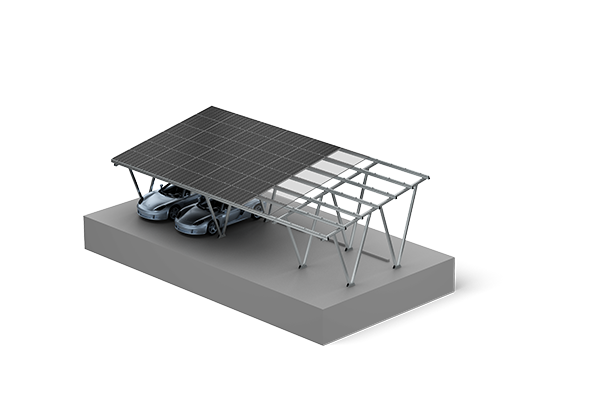
Heavy snowfall presents challenges distinct from those of many other solar applications. A large amount of accumulated snow can place significant pressure on the structure, while uneven snow distribution may create additional stress in specific areas.
For developers planning solar projects in cold regions, understanding snow-related engineering requirements is essential. We focus on helping customers build solar structures that are designed around actual environmental conditions rather than relying on general solutions.
Compared with traditional ground-mounted photovoltaic systems, solar carports have a different structural purpose. The structure must maintain adequate clearance for vehicles while supporting the weight of solar modules and seasonal snow accumulation.
This requirement often results in longer structural spans and fewer support points. While this creates a more open parking area, it also means that beams, columns, and connection points must be carefully engineered to handle additional forces.
A reliable solar carport supplier needs to consider how these loads interact instead of evaluating snow weight as an isolated factor. The entire structure must work together to transfer forces safely from the roof surface down to the foundation.
Snow loading is not always evenly distributed across a solar carport. Wind direction, surrounding buildings, panel arrangement, and temperature changes can influence where snow accumulates.
In some cases, drifting snow can create heavier loads in certain areas of the structure. Uneven distribution may cause additional bending and twisting forces that are different from simple vertical pressure.
Snow sliding is another factor that requires attention. When accumulated snow moves from elevated panels, it can affect pedestrian safety, vehicles, and the surrounding area. Designers must consider both structural strength and practical site usage.
The distance between support columns directly influences how the structure responds to snow pressure. Wider parking spaces require careful beam design to maintain stability without unnecessary material usage.
A balanced support layout allows the carport to provide functional parking space while maintaining structural efficiency.
Connections between beams, columns, and mounting components are critical areas in high snow environments. Even strong individual components cannot perform properly if connections are not designed for expected forces.
Engineers must evaluate how loads move through the complete structure rather than focusing on individual parts.
Northern locations often have unique ground conditions caused by frost and seasonal changes. Foundation design must account for local soil behavior and environmental effects.
A strong foundation provides the stability needed for long-term operation and helps maintain structural performance throughout changing seasons.
Snow-heavy environments often involve moisture, freezing temperatures, and repeated weather cycles. Structural materials and protective treatments must be selected to support long service life.
Durability is especially important because solar carports are expected to operate reliably for many years with limited interruption.
A successful design must balance snow resistance with photovoltaic efficiency. Panel orientation and structural arrangement should support energy production while considering winter conditions.
The goal is not to create the strongest possible structure at any cost, but to develop an optimized solution that meets both energy and safety objectives.
Selecting a partner for a northern solar carport project requires more than comparing product catalogs. Developers should evaluate whether the supplier understands regional climate challenges and can provide engineering support.
When working with a solar carport supplier, project owners should ask several important questions. Does the supplier understand local snow conditions? Can the design be adapted to different site requirements? Does the engineering approach consider long-term operation?
These questions help distinguish suppliers that only provide standard structures from those capable of supporting complex climate-specific projects.
Designing Solar Carports for Long-Term Winter Reliability
Successful northern solar projects require planning beyond initial construction. Maintenance access, inspection procedures, and future operational needs should be considered during the design stage.
A well-designed structure lowers the risk of unexpected issues during harsh winter conditions. It also gives operators confidence in both the solar generation system and the parking infrastructure beneath it.
This dual assurance is what Antaisolar aims to deliver through mounting solutions that combine structural engineering expertise with hands-on project experience. The goal is to support reliable renewable energy deployment across a range of environmental conditions.
High snow load solar carports represent an important opportunity for expanding solar energy into colder regions. However, their success depends on understanding how climate conditions influence structural behavior.
Climate-specific design is not an add-on—it is a necessity for long-term reliability. Decisions around snow loading, foundation engineering, and material selection all influence how well a solar structure withstands northern conditions.
Northern markets are embracing renewables at an accelerating pace, and solar carports must rise to the challenge. Antaisolar believes that rigorous engineering—attentive to climate realities—is what enables solar solutions to deliver both practical function and lasting structural confidence.
Heavy snowfall presents challenges distinct from those of many other solar applications. A large amount of accumulated snow can place significant pressure on the structure, while uneven snow distribution may create additional stress in specific areas.
For developers planning solar projects in cold regions, understanding snow-related engineering requirements is essential. We focus on helping customers build solar structures that are designed around actual environmental conditions rather than relying on general solutions.
Why Snow Load Creates Unique Challenges for Solar Carports
Compared with traditional ground-mounted photovoltaic systems, solar carports have a different structural purpose. The structure must maintain adequate clearance for vehicles while supporting the weight of solar modules and seasonal snow accumulation.
This requirement often results in longer structural spans and fewer support points. While this creates a more open parking area, it also means that beams, columns, and connection points must be carefully engineered to handle additional forces.
A reliable solar carport supplier needs to consider how these loads interact instead of evaluating snow weight as an isolated factor. The entire structure must work together to transfer forces safely from the roof surface down to the foundation.
Understanding How Snow Behaves on Solar Carport Structures
Snow loading is not always evenly distributed across a solar carport. Wind direction, surrounding buildings, panel arrangement, and temperature changes can influence where snow accumulates.
In some cases, drifting snow can create heavier loads in certain areas of the structure. Uneven distribution may cause additional bending and twisting forces that are different from simple vertical pressure.
Snow sliding is another factor that requires attention. When accumulated snow moves from elevated panels, it can affect pedestrian safety, vehicles, and the surrounding area. Designers must consider both structural strength and practical site usage.
Five Engineering Factors That Define High Snow Load Performance
1. Structural Span and Support Arrangement
The distance between support columns directly influences how the structure responds to snow pressure. Wider parking spaces require careful beam design to maintain stability without unnecessary material usage.
A balanced support layout allows the carport to provide functional parking space while maintaining structural efficiency.
2. Connection Strength and Load Transfer
Connections between beams, columns, and mounting components are critical areas in high snow environments. Even strong individual components cannot perform properly if connections are not designed for expected forces.
Engineers must evaluate how loads move through the complete structure rather than focusing on individual parts.
3. Foundation Adaptation for Cold Regions
Northern locations often have unique ground conditions caused by frost and seasonal changes. Foundation design must account for local soil behavior and environmental effects.
A strong foundation provides the stability needed for long-term operation and helps maintain structural performance throughout changing seasons.
4. Material Durability Against Winter Exposure
Snow-heavy environments often involve moisture, freezing temperatures, and repeated weather cycles. Structural materials and protective treatments must be selected to support long service life.
Durability is especially important because solar carports are expected to operate reliably for many years with limited interruption.
5. Integration Between Solar Performance and Structural Safety
A successful design must balance snow resistance with photovoltaic efficiency. Panel orientation and structural arrangement should support energy production while considering winter conditions.
The goal is not to create the strongest possible structure at any cost, but to develop an optimized solution that meets both energy and safety objectives.
What Developers Should Evaluate Before Choosing a Supplier
Selecting a partner for a northern solar carport project requires more than comparing product catalogs. Developers should evaluate whether the supplier understands regional climate challenges and can provide engineering support.
When working with a solar carport supplier, project owners should ask several important questions. Does the supplier understand local snow conditions? Can the design be adapted to different site requirements? Does the engineering approach consider long-term operation?
These questions help distinguish suppliers that only provide standard structures from those capable of supporting complex climate-specific projects.
Designing Solar Carports for Long-Term Winter Reliability
Successful northern solar projects require planning beyond initial construction. Maintenance access, inspection procedures, and future operational needs should be considered during the design stage.
A well-designed structure lowers the risk of unexpected issues during harsh winter conditions. It also gives operators confidence in both the solar generation system and the parking infrastructure beneath it.
This dual assurance is what Antaisolar aims to deliver through mounting solutions that combine structural engineering expertise with hands-on project experience. The goal is to support reliable renewable energy deployment across a range of environmental conditions.
Conclusion
High snow load solar carports represent an important opportunity for expanding solar energy into colder regions. However, their success depends on understanding how climate conditions influence structural behavior.
Climate-specific design is not an add-on—it is a necessity for long-term reliability. Decisions around snow loading, foundation engineering, and material selection all influence how well a solar structure withstands northern conditions.
Northern markets are embracing renewables at an accelerating pace, and solar carports must rise to the challenge. Antaisolar believes that rigorous engineering—attentive to climate realities—is what enables solar solutions to deliver both practical function and lasting structural confidence.
end