
How Modular Vertical Solar Structures Are Shaping the Future of Photovoltaic Deployment
May 26, 2026
The global solar industry is entering a stage where available land, project flexibility, and efficient space utilization are becoming increasingly important. Traditional photovoltaic layouts remain widely adopted, but developers are exploring alternative structures that can adapt to more diverse environments and support new installation scenarios.
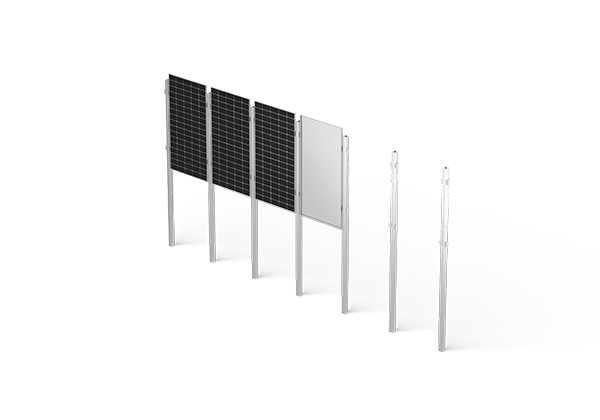
Among these emerging approaches, modular vertical mounting systems are attracting attention for their ability to integrate photovoltaic generation into spaces that may not be suitable for conventional layouts. From agricultural areas to transportation-related locations, vertical configurations provide new possibilities for expanding solar deployment.
Mounting solutions that strike a compromise between structural reliability, practical installation, and adaptability will be necessary for future solar development, and Antaisolar is well-aware of this. Project developers are finding that modular designs allow them to think about solar applications in ways that go beyond the usual ground layouts.
As solar markets continue expanding worldwide, finding suitable installation areas has become a major consideration for developers. Large open spaces are not always available, especially in regions where land resources are limited or where multiple land-use requirements must be considered.
Modular mounting concepts provide greater flexibility by allowing photovoltaic systems to be designed around different environments. Instead of relying on a single installation pattern, project teams can evaluate solutions based on terrain, surrounding infrastructure, and operational requirements.
This shift is encouraging the development of more specialized structures. Vertical configurations are becoming one option for projects seeking efficient land utilization while maintaining photovoltaic generation potential.
The development of solar panel vertical mounting reflects a broader trend toward adapting photovoltaic systems for unconventional locations. Unlike traditional tilted structures, vertical arrangements position modules differently to support applications where space, access, or land-sharing requirements influence project design.
One important advantage of vertical systems is their ability to fit into areas where conventional solar layouts may create limitations. They can be considered for locations such as agricultural spaces, roadside areas, fences, and other environments where maintaining existing land functions is important.
For project owners, this approach creates opportunities to combine renewable energy production with other activities. The modular structure allows developers to explore different installation scenarios while considering local conditions and project goals.
Modularity has become a key consideration in modern solar mounting engineering. A modular system allows components to be organized, transported, and installed more efficiently according to project requirements.
Compared with highly customized structures, modular solutions can provide greater adaptability during planning and construction. Project teams can evaluate layouts based on specific site conditions instead of depending on a fixed configuration.
A flexible design approach also supports future expansion. As energy requirements change, modular structures can provide additional possibilities for adjusting solar installations without completely redesigning the overall system.
Although vertical systems offer new application opportunities, successful implementation requires careful engineering evaluation. Mounting structures must account for environmental factors, installation conditions, and long-term operational requirements.
Structural design plays an essential role in ensuring that photovoltaic systems remain stable throughout their service life. Engineers need to consider factors such as site characteristics, connection methods, and material performance when developing suitable solutions.
Installation efficiency is another important factor. A well-designed mounting system should support practical construction processes while reducing unnecessary complexity. This is especially valuable for projects located in areas where access, construction schedules, or land conditions create additional challenges.
One of the most significant trends driving vertical solar development is the need for better land utilization. As renewable energy expansion accelerates, developers are increasingly searching for solutions that can coexist with existing land uses.
Vertical systems can provide an alternative approach by allowing solar generation to be integrated into spaces with different functional requirements. For example, agricultural environments may benefit from designs that allow continued land activity while supporting renewable energy production.
These applications demonstrate how solar mounting technology is evolving from a simple support structure into a strategic component of project planning. The mounting system is becoming an important factor in determining where and how solar energy can be deployed.
Design, manufacturing, and application expertise must advance together for solar structures to evolve. With project requirements becoming more varied, suppliers need solutions that address different environmental and operational realities.
Close cooperation between technology providers, developers, and engineering teams is essential to successful solar development. A clear understanding of project objectives enables mounting solutions that balance practical performance with long-term dependability.
The dynamic nature of PV projects around the world necessitates constant innovation, and Antaisolar is committed to providing just that. Our focus on application-driven design and flexible constructions allows us to accommodate a wide range of installations while also aiding in the move to renewable energy.
Solar deployment is diversifying, and so are the mounting solutions that support it. The industry is embracing a wider range of designs—each tailored to distinct spaces, climates, and project requirements.
Modular vertical solar systems represent an important direction in this evolution by creating new opportunities for photovoltaic integration. As developers continue searching for flexible and efficient solutions, innovative mounting designs will play an increasingly important role in expanding solar energy access worldwide.
Through thoughtful engineering and continuous innovation, the solar industry can overcome land and application challenges while building a more diverse renewable energy landscape.
Among these emerging approaches, modular vertical mounting systems are attracting attention for their ability to integrate photovoltaic generation into spaces that may not be suitable for conventional layouts. From agricultural areas to transportation-related locations, vertical configurations provide new possibilities for expanding solar deployment.
Mounting solutions that strike a compromise between structural reliability, practical installation, and adaptability will be necessary for future solar development, and Antaisolar is well-aware of this. Project developers are finding that modular designs allow them to think about solar applications in ways that go beyond the usual ground layouts.
The Growing Demand for Flexible Solar Mounting Approaches
As solar markets continue expanding worldwide, finding suitable installation areas has become a major consideration for developers. Large open spaces are not always available, especially in regions where land resources are limited or where multiple land-use requirements must be considered.
Modular mounting concepts provide greater flexibility by allowing photovoltaic systems to be designed around different environments. Instead of relying on a single installation pattern, project teams can evaluate solutions based on terrain, surrounding infrastructure, and operational requirements.
This shift is encouraging the development of more specialized structures. Vertical configurations are becoming one option for projects seeking efficient land utilization while maintaining photovoltaic generation potential.
Vertical Solar Panel Mounting and Its Expanding Applications
The development of solar panel vertical mounting reflects a broader trend toward adapting photovoltaic systems for unconventional locations. Unlike traditional tilted structures, vertical arrangements position modules differently to support applications where space, access, or land-sharing requirements influence project design.
One important advantage of vertical systems is their ability to fit into areas where conventional solar layouts may create limitations. They can be considered for locations such as agricultural spaces, roadside areas, fences, and other environments where maintaining existing land functions is important.
For project owners, this approach creates opportunities to combine renewable energy production with other activities. The modular structure allows developers to explore different installation scenarios while considering local conditions and project goals.
Why Modular Design Matters for Future Solar Projects
Modularity has become a key consideration in modern solar mounting engineering. A modular system allows components to be organized, transported, and installed more efficiently according to project requirements.
Compared with highly customized structures, modular solutions can provide greater adaptability during planning and construction. Project teams can evaluate layouts based on specific site conditions instead of depending on a fixed configuration.
A flexible design approach also supports future expansion. As energy requirements change, modular structures can provide additional possibilities for adjusting solar installations without completely redesigning the overall system.
Engineering Considerations Behind Vertical Solar Structures
Although vertical systems offer new application opportunities, successful implementation requires careful engineering evaluation. Mounting structures must account for environmental factors, installation conditions, and long-term operational requirements.
Structural design plays an essential role in ensuring that photovoltaic systems remain stable throughout their service life. Engineers need to consider factors such as site characteristics, connection methods, and material performance when developing suitable solutions.
Installation efficiency is another important factor. A well-designed mounting system should support practical construction processes while reducing unnecessary complexity. This is especially valuable for projects located in areas where access, construction schedules, or land conditions create additional challenges.
Improving Land Utilization Through Innovative Solar Configurations
One of the most significant trends driving vertical solar development is the need for better land utilization. As renewable energy expansion accelerates, developers are increasingly searching for solutions that can coexist with existing land uses.
Vertical systems can provide an alternative approach by allowing solar generation to be integrated into spaces with different functional requirements. For example, agricultural environments may benefit from designs that allow continued land activity while supporting renewable energy production.
These applications demonstrate how solar mounting technology is evolving from a simple support structure into a strategic component of project planning. The mounting system is becoming an important factor in determining where and how solar energy can be deployed.
The Role of Quality and Innovation in Solar Mounting Development
Design, manufacturing, and application expertise must advance together for solar structures to evolve. With project requirements becoming more varied, suppliers need solutions that address different environmental and operational realities.
Close cooperation between technology providers, developers, and engineering teams is essential to successful solar development. A clear understanding of project objectives enables mounting solutions that balance practical performance with long-term dependability.
The dynamic nature of PV projects around the world necessitates constant innovation, and Antaisolar is committed to providing just that. Our focus on application-driven design and flexible constructions allows us to accommodate a wide range of installations while also aiding in the move to renewable energy.
Conclusion
Solar deployment is diversifying, and so are the mounting solutions that support it. The industry is embracing a wider range of designs—each tailored to distinct spaces, climates, and project requirements.
Modular vertical solar systems represent an important direction in this evolution by creating new opportunities for photovoltaic integration. As developers continue searching for flexible and efficient solutions, innovative mounting designs will play an increasingly important role in expanding solar energy access worldwide.
Through thoughtful engineering and continuous innovation, the solar industry can overcome land and application challenges while building a more diverse renewable energy landscape.
end