
Key Design Factors That Ensure Long-Term Reliability of Vertical Solar Mounting Solutions
May 28, 2026
Vertical photovoltaic installations are gaining attention in locations where land utilization, agricultural compatibility, and energy diversification are important considerations. However, achieving reliable long-term operation requires more than simply placing modules in a vertical orientation.
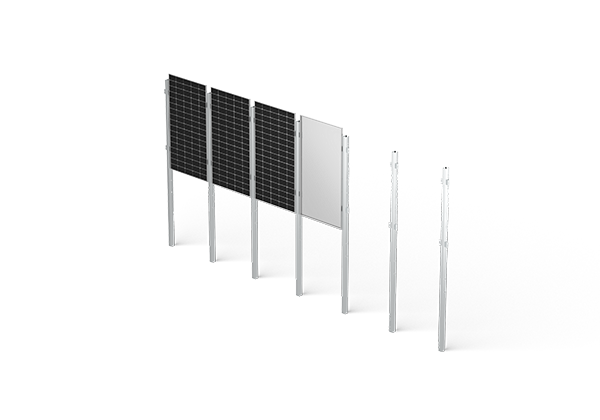
A vertical solar mounting system must be engineered to withstand environmental forces while maintaining structural stability and consistent module performance over many years. Factors such as foundation design, material durability, wind resistance, installation precision, and maintenance planning all influence the system’s lifecycle value.
When evaluating vertical solar solutions, we believe project owners should focus on the complete system design rather than individual components. A well-integrated structure can provide reliable support and reduce operational risks throughout the project period.
The structural framework is the foundation of any vertical photovoltaic installation. Since vertically installed modules experience different force patterns compared with traditional tilted systems, the mounting structure must be carefully designed according to site conditions.
Wind load is one of the most important factors affecting structural performance. Vertical modules can experience significant pressure from changing wind directions, making accurate load analysis essential during the design stage.
A reliable mounting structure must distribute external forces effectively through components such as posts, beams, rails, and connection points. Proper structural coordination helps prevent deformation and maintains the original module positioning over long-term operation.
For large-scale projects, even small improvements in structural reliability can create significant benefits by reducing maintenance requirements and improving overall system availability.
The foundation connects the mounting structure with the ground, making it a critical factor in long-term performance. A strong foundation ensures that the system remains stable under environmental stress and daily operational conditions.
Before installation, engineers need to evaluate soil characteristics, terrain conditions, and local weather patterns. Different project locations may require different foundation approaches to achieve sufficient stability.
In a vertical solar mounting system, foundation accuracy is especially important because the vertical structure depends on precise alignment. Incorrect installation can affect module positioning, structural balance, and overall energy performance.
A carefully designed foundation solution provides the necessary support for the entire system and helps maintain reliable operation throughout its service life.
Outdoor solar structures must continuously withstand changing environmental conditions. Exposure to rain, humidity, temperature variation, and airborne particles can gradually affect structural materials if proper protection measures are not applied.
High-quality materials and suitable surface treatments help improve corrosion resistance and extend the lifespan of mounting components. This is particularly important for projects located in coastal areas, industrial environments, or regions with challenging weather conditions.
Material selection should not only consider initial project costs but also long-term durability. Components with better environmental resistance can reduce replacement frequency and contribute to more predictable operation and maintenance planning.
Even a well-designed mounting structure can experience performance issues if installation quality is insufficient. Proper alignment, connection tightening, and component positioning are essential for ensuring that the system performs as intended.
Vertical installations require careful attention during construction because module orientation directly influences both structural behavior and energy generation characteristics. Installation teams must follow accurate procedures to maintain consistency across the entire project area.
Engineering design and practical installation requirements must work together in any effective mounting solution. Antaisolar embraces this principle by considering how structural performance, site conditions, and long-term project reliability intersect throughout the design and delivery process.
Every solar project operates within a specific environment, and vertical installations must be designed according to local conditions. Factors such as wind intensity, temperature range, precipitation, and terrain characteristics can influence system performance.
A suitable vertical solar mounting system should be adaptable to different application scenarios rather than relying on a single standard configuration. Engineering flexibility allows developers to address unique site challenges while maintaining structural integrity.
For example, projects in high-wind regions may require enhanced structural analysis, while installations in areas with frequent weather changes may need additional protection strategies.
Understanding environmental conditions during the design phase helps prevent unexpected problems after project completion.
Long-term solar performance depends not only on initial construction quality but also on effective maintenance strategies. A well-designed mounting system should allow convenient inspection and servicing throughout its operational period.
Simplified structural designs can help maintenance teams identify potential issues more efficiently. Regular inspections of connection points, protective coatings, and structural components can reduce the possibility of unexpected failures.
Project owners should consider maintenance requirements when selecting a mounting solution. A system that is easy to monitor and maintain can provide better lifecycle performance and more stable energy production.
The performance of a vertical solar installation is determined by how well different elements work together. Structural design, foundation engineering, material protection, and installation quality are interconnected factors that influence the final outcome.
A system-level approach gives developers the ability to balance structural durability, energy performance, and operational needs. Looking beyond isolated components to assess the full mounting architecture provides a more accurate assessment of long-term value and lifecycle performance.
Solutions that are grounded in real-world conditions are essential to project success. Antaisolar addresses this by engineering mounting systems that tackle practical challenges while aligning with project-specific requirements.
The long-term performance of a vertical solar mounting solution depends on several key factors working together. Structural stability, foundation reliability, material durability, installation accuracy, environmental adaptability, and maintenance planning all contribute to the system’s overall lifespan.
Choosing the right mounting design requires careful consideration of both current project conditions and future operational needs. A well-engineered vertical solar mounting system can provide reliable support, reduce maintenance challenges, and help ensure consistent solar performance over many years.
By evaluating these factors before installation, project developers can build more durable photovoltaic systems with stronger long-term value.
A vertical solar mounting system must be engineered to withstand environmental forces while maintaining structural stability and consistent module performance over many years. Factors such as foundation design, material durability, wind resistance, installation precision, and maintenance planning all influence the system’s lifecycle value.
When evaluating vertical solar solutions, we believe project owners should focus on the complete system design rather than individual components. A well-integrated structure can provide reliable support and reduce operational risks throughout the project period.
Structural Design Determines Long-Term Stability
The structural framework is the foundation of any vertical photovoltaic installation. Since vertically installed modules experience different force patterns compared with traditional tilted systems, the mounting structure must be carefully designed according to site conditions.
Wind load is one of the most important factors affecting structural performance. Vertical modules can experience significant pressure from changing wind directions, making accurate load analysis essential during the design stage.
A reliable mounting structure must distribute external forces effectively through components such as posts, beams, rails, and connection points. Proper structural coordination helps prevent deformation and maintains the original module positioning over long-term operation.
For large-scale projects, even small improvements in structural reliability can create significant benefits by reducing maintenance requirements and improving overall system availability.
Foundation Quality Supports System Durability
The foundation connects the mounting structure with the ground, making it a critical factor in long-term performance. A strong foundation ensures that the system remains stable under environmental stress and daily operational conditions.
Before installation, engineers need to evaluate soil characteristics, terrain conditions, and local weather patterns. Different project locations may require different foundation approaches to achieve sufficient stability.
In a vertical solar mounting system, foundation accuracy is especially important because the vertical structure depends on precise alignment. Incorrect installation can affect module positioning, structural balance, and overall energy performance.
A carefully designed foundation solution provides the necessary support for the entire system and helps maintain reliable operation throughout its service life.
Material Selection Influences Resistance Against Environmental Exposure
Outdoor solar structures must continuously withstand changing environmental conditions. Exposure to rain, humidity, temperature variation, and airborne particles can gradually affect structural materials if proper protection measures are not applied.
High-quality materials and suitable surface treatments help improve corrosion resistance and extend the lifespan of mounting components. This is particularly important for projects located in coastal areas, industrial environments, or regions with challenging weather conditions.
Material selection should not only consider initial project costs but also long-term durability. Components with better environmental resistance can reduce replacement frequency and contribute to more predictable operation and maintenance planning.
Installation Accuracy Affects Future System Performance
Even a well-designed mounting structure can experience performance issues if installation quality is insufficient. Proper alignment, connection tightening, and component positioning are essential for ensuring that the system performs as intended.
Vertical installations require careful attention during construction because module orientation directly influences both structural behavior and energy generation characteristics. Installation teams must follow accurate procedures to maintain consistency across the entire project area.
Engineering design and practical installation requirements must work together in any effective mounting solution. Antaisolar embraces this principle by considering how structural performance, site conditions, and long-term project reliability intersect throughout the design and delivery process.
Environmental Adaptability Improves Operational Reliability
Every solar project operates within a specific environment, and vertical installations must be designed according to local conditions. Factors such as wind intensity, temperature range, precipitation, and terrain characteristics can influence system performance.
A suitable vertical solar mounting system should be adaptable to different application scenarios rather than relying on a single standard configuration. Engineering flexibility allows developers to address unique site challenges while maintaining structural integrity.
For example, projects in high-wind regions may require enhanced structural analysis, while installations in areas with frequent weather changes may need additional protection strategies.
Understanding environmental conditions during the design phase helps prevent unexpected problems after project completion.
Maintenance Planning Extends the System Lifecycle
Long-term solar performance depends not only on initial construction quality but also on effective maintenance strategies. A well-designed mounting system should allow convenient inspection and servicing throughout its operational period.
Simplified structural designs can help maintenance teams identify potential issues more efficiently. Regular inspections of connection points, protective coatings, and structural components can reduce the possibility of unexpected failures.
Project owners should consider maintenance requirements when selecting a mounting solution. A system that is easy to monitor and maintain can provide better lifecycle performance and more stable energy production.
System Integration Creates Better Long-Term Value
The performance of a vertical solar installation is determined by how well different elements work together. Structural design, foundation engineering, material protection, and installation quality are interconnected factors that influence the final outcome.
A system-level approach gives developers the ability to balance structural durability, energy performance, and operational needs. Looking beyond isolated components to assess the full mounting architecture provides a more accurate assessment of long-term value and lifecycle performance.
Solutions that are grounded in real-world conditions are essential to project success. Antaisolar addresses this by engineering mounting systems that tackle practical challenges while aligning with project-specific requirements.
Conclusion
The long-term performance of a vertical solar mounting solution depends on several key factors working together. Structural stability, foundation reliability, material durability, installation accuracy, environmental adaptability, and maintenance planning all contribute to the system’s overall lifespan.
Choosing the right mounting design requires careful consideration of both current project conditions and future operational needs. A well-engineered vertical solar mounting system can provide reliable support, reduce maintenance challenges, and help ensure consistent solar performance over many years.
By evaluating these factors before installation, project developers can build more durable photovoltaic systems with stronger long-term value.
end