
How to Source Non-Penetrative Ballasted Solar Panel Roof Rack Mounts for Fragile Membrane Roofs
May 10, 2026
Installing solar panels on commercial buildings with fragile membrane roofs requires a different approach from conventional rooftop projects. Unlike metal or concrete surfaces that can often support direct attachment methods, membrane roofs require careful protection to avoid compromising waterproofing layers and long-term roof performance.
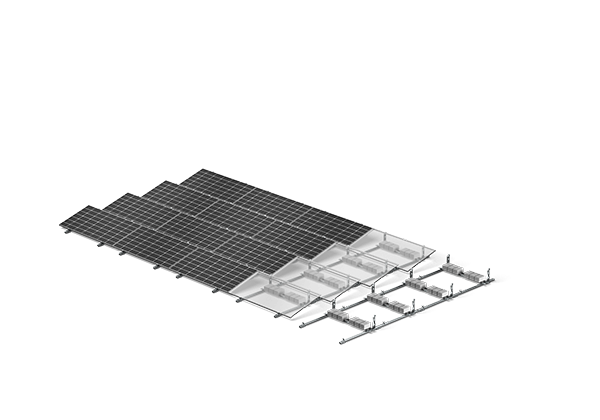
For solar developers, installers, and building owners, the key challenge is finding a mounting solution that provides strong module support without creating unnecessary penetrations. Non-penetrating ballasted systems have become an important option because they secure solar arrays through engineered weight distribution rather than drilling into the roof surface.
Balancing energy generation goals with the protection of existing building structures is a fundamental challenge in rooftop solar projects. Antaisolar recognizes that the right mounting technology can only be chosen through a thorough understanding of roof conditions, system design, and site-specific installation demands.
Fragile membrane roofs are commonly used in commercial and industrial buildings because they provide lightweight protection against weather conditions. However, their surface materials can be more sensitive to mechanical stress, making traditional attachment methods less suitable for certain solar applications.
When installers penetrate a membrane roof, every fastening point requires additional waterproofing measures and careful inspection. Over time, these penetration areas may become potential maintenance concerns if not properly managed.
For this reason, many project owners explore non-penetrating solutions that reduce direct impact on the roofing material. A well-designed ballasted solar system places modules on a supporting structure while using calculated ballast weight to maintain stability.
The goal is not simply to avoid roof penetration. The system must also manage wind forces, distribute loads evenly, and maintain safe operation throughout the solar project lifecycle.
Choosing suitable roof mount solar panel brackets is one of the most important steps when sourcing a solar mounting system for fragile membrane roofs. These brackets serve as the connection point between photovoltaic modules and the supporting structure, meaning their design directly affects system reliability.
For ballasted rooftop projects, brackets must work together with the entire mounting framework rather than functioning as isolated components. The design should allow efficient module installation while maintaining proper alignment and load distribution.
When evaluating these components, buyers should consider several factors:
Compatibility with different solar panel dimensions and configurations
Resistance to outdoor environmental exposure
Ease of installation and adjustment
Ability to integrate with ballasted mounting structures
Long-term structural stability
High-quality roof mount solar panel brackets help installers create a stable array without relying on direct roof attachment. This makes them particularly valuable for projects where maintaining membrane integrity is a major priority.
The primary advantage of a non-penetrative ballasted system is that it minimizes physical disturbance to the existing roof. Instead of drilling holes through the membrane layer, the mounting structure remains secured through a carefully engineered combination of ballast, support components, and array design.
However, avoiding penetration does not mean the system requires less engineering. In fact, ballasted solutions demand accurate calculations because the entire array must remain stable under changing environmental conditions.
Design teams need to evaluate roof load capacity, module layout, ballast requirements, and wind exposure before installation begins. A system that is too lightly designed may face stability risks, while excessive ballast could create unnecessary stress on the building structure.
The best solution achieves a balance between security and weight efficiency. This allows the solar installation to protect the roof while providing dependable performance throughout its service life.
When purchasing a mounting system for fragile membrane roofs, project stakeholders should look beyond the initial equipment cost. A reliable solution should support the complete lifecycle of the solar installation.
One important consideration is system adaptability. Commercial rooftops may have different layouts, obstacles, and access requirements. A flexible mounting design allows installers to adjust module positioning while maintaining structural performance.
Another factor is installation efficiency. Since rooftop projects often involve strict schedules, systems that simplify assembly and reduce unnecessary site work can help improve project execution.
Material selection also plays a significant role. Solar mounting structures must withstand outdoor exposure for many years, including temperature changes, humidity, and other environmental conditions. Durable materials and appropriate protective treatments contribute to long-term reliability.
Additionally, communication between solar installers, roofing contractors, and structural engineers is essential. Coordinated planning helps ensure that the mounting system supports solar generation goals without creating conflicts with roof maintenance strategies.
With more businesses turning to renewable energy, the capacity to install solar across a broader range of building types is becoming increasingly valuable. Fragile membrane roofs, in particular, pose a significant challenge—they demand mounting solutions that work with, rather than against, the existing infrastructure.
Non-penetrating ballasted systems expand solar opportunities by allowing more buildings to consider photovoltaic installations without major roof modifications. These systems provide a practical pathway for organizations seeking renewable energy while preserving their current roofing assets.
Antaisolar works with industry partners to develop solar mounting solutions that address different rooftop requirements. By focusing on engineering quality and application-specific design, we help support solar projects where traditional mounting approaches may not be suitable.
The future of commercial rooftop solar depends on solutions that combine structural reliability, installation convenience, and compatibility with diverse building environments.
Sourcing non-penetrative ballasted solar panel roof rack mounts for fragile membrane roofs requires careful evaluation of system design, roof protection, and long-term performance. The right mounting solution should provide secure solar panel support while minimizing impact on the existing roof structure.
Choosing the right rooftop solar solution involves more than checking hardware specs. A thorough evaluation of engineering considerations, component fit, installation practicality, and long-term serviceability is essential to project success.
The growth of commercial and industrial rooftop solar calls for mounting technologies that are purpose-built for challenging surfaces. Engineered with care, these systems can transform fragile membrane roofs into durable platforms for clean energy generation.
For solar developers, installers, and building owners, the key challenge is finding a mounting solution that provides strong module support without creating unnecessary penetrations. Non-penetrating ballasted systems have become an important option because they secure solar arrays through engineered weight distribution rather than drilling into the roof surface.
Balancing energy generation goals with the protection of existing building structures is a fundamental challenge in rooftop solar projects. Antaisolar recognizes that the right mounting technology can only be chosen through a thorough understanding of roof conditions, system design, and site-specific installation demands.
Why Fragile Membrane Roofs Require Specialized Solar Mounting Solutions
Fragile membrane roofs are commonly used in commercial and industrial buildings because they provide lightweight protection against weather conditions. However, their surface materials can be more sensitive to mechanical stress, making traditional attachment methods less suitable for certain solar applications.
When installers penetrate a membrane roof, every fastening point requires additional waterproofing measures and careful inspection. Over time, these penetration areas may become potential maintenance concerns if not properly managed.
For this reason, many project owners explore non-penetrating solutions that reduce direct impact on the roofing material. A well-designed ballasted solar system places modules on a supporting structure while using calculated ballast weight to maintain stability.
The goal is not simply to avoid roof penetration. The system must also manage wind forces, distribute loads evenly, and maintain safe operation throughout the solar project lifecycle.
Selecting Roof Mount Solar Panel Brackets for Ballasted Applications
Choosing suitable roof mount solar panel brackets is one of the most important steps when sourcing a solar mounting system for fragile membrane roofs. These brackets serve as the connection point between photovoltaic modules and the supporting structure, meaning their design directly affects system reliability.
For ballasted rooftop projects, brackets must work together with the entire mounting framework rather than functioning as isolated components. The design should allow efficient module installation while maintaining proper alignment and load distribution.
When evaluating these components, buyers should consider several factors:
Compatibility with different solar panel dimensions and configurations
Resistance to outdoor environmental exposure
Ease of installation and adjustment
Ability to integrate with ballasted mounting structures
Long-term structural stability
High-quality roof mount solar panel brackets help installers create a stable array without relying on direct roof attachment. This makes them particularly valuable for projects where maintaining membrane integrity is a major priority.
How Non-Penetrating Ballasted Systems Protect Membrane Roof Integrity
The primary advantage of a non-penetrative ballasted system is that it minimizes physical disturbance to the existing roof. Instead of drilling holes through the membrane layer, the mounting structure remains secured through a carefully engineered combination of ballast, support components, and array design.
However, avoiding penetration does not mean the system requires less engineering. In fact, ballasted solutions demand accurate calculations because the entire array must remain stable under changing environmental conditions.
Design teams need to evaluate roof load capacity, module layout, ballast requirements, and wind exposure before installation begins. A system that is too lightly designed may face stability risks, while excessive ballast could create unnecessary stress on the building structure.
The best solution achieves a balance between security and weight efficiency. This allows the solar installation to protect the roof while providing dependable performance throughout its service life.
Important Considerations When Sourcing Ballasted Solar Panel Roof Rack Mounts
When purchasing a mounting system for fragile membrane roofs, project stakeholders should look beyond the initial equipment cost. A reliable solution should support the complete lifecycle of the solar installation.
One important consideration is system adaptability. Commercial rooftops may have different layouts, obstacles, and access requirements. A flexible mounting design allows installers to adjust module positioning while maintaining structural performance.
Another factor is installation efficiency. Since rooftop projects often involve strict schedules, systems that simplify assembly and reduce unnecessary site work can help improve project execution.
Material selection also plays a significant role. Solar mounting structures must withstand outdoor exposure for many years, including temperature changes, humidity, and other environmental conditions. Durable materials and appropriate protective treatments contribute to long-term reliability.
Additionally, communication between solar installers, roofing contractors, and structural engineers is essential. Coordinated planning helps ensure that the mounting system supports solar generation goals without creating conflicts with roof maintenance strategies.
Improving Solar Deployment on Challenging Commercial Roofs
With more businesses turning to renewable energy, the capacity to install solar across a broader range of building types is becoming increasingly valuable. Fragile membrane roofs, in particular, pose a significant challenge—they demand mounting solutions that work with, rather than against, the existing infrastructure.
Non-penetrating ballasted systems expand solar opportunities by allowing more buildings to consider photovoltaic installations without major roof modifications. These systems provide a practical pathway for organizations seeking renewable energy while preserving their current roofing assets.
Antaisolar works with industry partners to develop solar mounting solutions that address different rooftop requirements. By focusing on engineering quality and application-specific design, we help support solar projects where traditional mounting approaches may not be suitable.
The future of commercial rooftop solar depends on solutions that combine structural reliability, installation convenience, and compatibility with diverse building environments.
Conclusion
Sourcing non-penetrative ballasted solar panel roof rack mounts for fragile membrane roofs requires careful evaluation of system design, roof protection, and long-term performance. The right mounting solution should provide secure solar panel support while minimizing impact on the existing roof structure.
Choosing the right rooftop solar solution involves more than checking hardware specs. A thorough evaluation of engineering considerations, component fit, installation practicality, and long-term serviceability is essential to project success.
The growth of commercial and industrial rooftop solar calls for mounting technologies that are purpose-built for challenging surfaces. Engineered with care, these systems can transform fragile membrane roofs into durable platforms for clean energy generation.
end