
Improving Agricultural Solar Performance Through Optimized Vertical Array Spacing
May 27, 2026
Agricultural photovoltaic projects require a careful balance between electricity generation and ongoing farming activities. Unlike traditional solar installations that focus mainly on maximizing panel density, Agri-PV systems must consider how sunlight distribution, crop growth, and land accessibility interact with the photovoltaic structure.
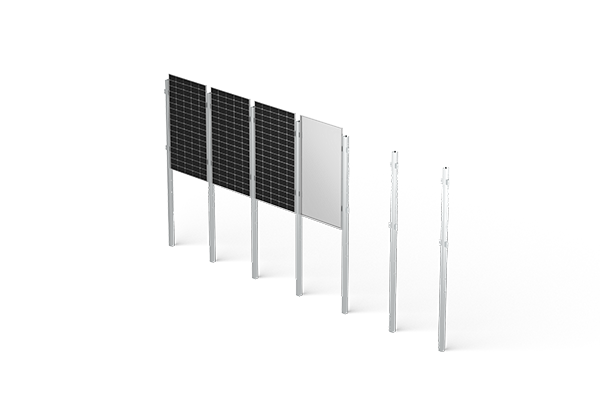
The arrangement of solar modules directly affects the conditions beneath and between arrays. Row spacing influences light availability, airflow, equipment movement, and overall agricultural productivity. A properly planned layout allows farmers to maintain productive land use while benefiting from renewable energy generation.
Vertical solar mounting system configurations provide a practical approach for agricultural applications because their upright design can reduce land occupation challenges and create more balanced sunlight conditions between rows. This makes spacing optimization an essential part of successful Agri-PV planning.
Traditional tilted solar arrays often require careful spacing calculations to prevent excessive shading between rows. Vertical systems introduce a different design approach because panels are positioned upright, creating wider open areas that can support agricultural activities.
The distance between vertical arrays determines how much sunlight reaches crops during different times of the day. Narrow spacing may increase photovoltaic capacity per hectare but could reduce available light for certain plants. Wider spacing can improve crop conditions but may reduce the total installed capacity.
Project developers need to evaluate the relationship between energy production and agricultural requirements before determining the optimal layout. Crop type, local climate, seasonal sunlight patterns, and farming methods all influence the final spacing decision.
Vertical solar mounting systems are particularly suitable for locations such as pastures, agricultural fields, and open landscapes where maintaining land accessibility is a priority. These systems can also provide additional functions in some applications, such as acting as boundaries or protective structures.
Row spacing is one of the most important factors affecting Agri-PV performance. The goal is not simply to install more modules but to create a configuration where solar generation and agricultural productivity can coexist.
A wider distance between rows allows more direct sunlight to reach crops and improves air circulation around vegetation. Better airflow can help regulate temperature and humidity, creating a more favorable growing environment for certain agricultural applications.
At the same time, excessive spacing may reduce land-use efficiency. Developers must identify the point where additional energy capacity no longer provides meaningful benefits compared with the value of agricultural output.
We approach vertical mounting projects by considering the complete site environment rather than focusing only on module placement. Antaisolar develops mounting solutions that support different ground applications, including vertical arrays designed for flexible land utilization.
Every agricultural site has different characteristics, which means there is no universal row spacing standard. Soil conditions, crop requirements, equipment size, and regional weather patterns all affect the final design.
Farm machinery access is a major consideration. Tractors and harvesting equipment need sufficient space to move safely between solar rows without damaging structures or reducing operational efficiency.
The direction of panel orientation also influences spacing requirements. Vertical systems are often designed to capture sunlight from both sides, which can create different generation patterns compared with conventional south-facing tilted arrays.
Weather conditions should also be included during planning. Wind exposure, snow conditions, and rainfall patterns may affect structural requirements and the preferred arrangement of the solar rows.
A successful Agri-PV project requires coordination between solar engineers and agricultural specialists. Electrical output targets must be considered together with farming objectives to create a practical layout.
Vertical solar mounting system solutions can support this approach by maintaining larger open spaces around the photovoltaic structure. These spaces can improve access for agricultural operations while reducing competition between solar equipment and farming activities.
Cleaning and maintenance considerations should also influence array spacing. Easy access between rows allows technicians to inspect components, perform maintenance, and manage vegetation more efficiently.
The mounting structure itself must also provide long-term stability. Proper foundation selection, structural strength, and material durability are necessary to ensure reliable operation in outdoor agricultural environments.
The value of an Agri-PV system should be measured over its entire operating period. A layout that performs well during installation but creates difficulties for farming activities may not deliver the expected project benefits.
Optimized spacing improves the relationship between renewable energy generation and agricultural productivity. It allows project owners to use land resources more efficiently while creating additional revenue opportunities.
Vertical arrays can also provide advantages in areas where traditional solar layouts may create challenges. Their compact structural profile and flexible arrangement make them suitable for locations where maintaining open land access is important.
For farmers and developers, the key decision is finding the right balance between photovoltaic output and agricultural performance. Careful planning during the design stage can significantly influence the long-term success of the project.
Row spacing optimization is a critical factor in designing agricultural solar installations. The distance between vertical arrays affects crop conditions, maintenance access, energy production, and overall land efficiency.
A successful Agri-PV project requires more than installing solar modules on farmland. It requires a thoughtful approach that considers agricultural operations, environmental conditions, and structural performance together.
Vertical solar mounting system provides new possibilities for combining renewable energy generation with productive land use. By analyzing site-specific requirements and selecting an appropriate layout, developers can create solar systems that support both clean energy goals and agricultural sustainability.
The arrangement of solar modules directly affects the conditions beneath and between arrays. Row spacing influences light availability, airflow, equipment movement, and overall agricultural productivity. A properly planned layout allows farmers to maintain productive land use while benefiting from renewable energy generation.
Vertical solar mounting system configurations provide a practical approach for agricultural applications because their upright design can reduce land occupation challenges and create more balanced sunlight conditions between rows. This makes spacing optimization an essential part of successful Agri-PV planning.
Vertical Solar Mounting System Design Considerations for Agricultural Land Use
Traditional tilted solar arrays often require careful spacing calculations to prevent excessive shading between rows. Vertical systems introduce a different design approach because panels are positioned upright, creating wider open areas that can support agricultural activities.
The distance between vertical arrays determines how much sunlight reaches crops during different times of the day. Narrow spacing may increase photovoltaic capacity per hectare but could reduce available light for certain plants. Wider spacing can improve crop conditions but may reduce the total installed capacity.
Project developers need to evaluate the relationship between energy production and agricultural requirements before determining the optimal layout. Crop type, local climate, seasonal sunlight patterns, and farming methods all influence the final spacing decision.
Vertical solar mounting systems are particularly suitable for locations such as pastures, agricultural fields, and open landscapes where maintaining land accessibility is a priority. These systems can also provide additional functions in some applications, such as acting as boundaries or protective structures.
Optimizing Row Spacing to Balance Energy and Crop Growth
Row spacing is one of the most important factors affecting Agri-PV performance. The goal is not simply to install more modules but to create a configuration where solar generation and agricultural productivity can coexist.
A wider distance between rows allows more direct sunlight to reach crops and improves air circulation around vegetation. Better airflow can help regulate temperature and humidity, creating a more favorable growing environment for certain agricultural applications.
At the same time, excessive spacing may reduce land-use efficiency. Developers must identify the point where additional energy capacity no longer provides meaningful benefits compared with the value of agricultural output.
We approach vertical mounting projects by considering the complete site environment rather than focusing only on module placement. Antaisolar develops mounting solutions that support different ground applications, including vertical arrays designed for flexible land utilization.
How Site Conditions Influence Spacing Decisions
Every agricultural site has different characteristics, which means there is no universal row spacing standard. Soil conditions, crop requirements, equipment size, and regional weather patterns all affect the final design.
Farm machinery access is a major consideration. Tractors and harvesting equipment need sufficient space to move safely between solar rows without damaging structures or reducing operational efficiency.
The direction of panel orientation also influences spacing requirements. Vertical systems are often designed to capture sunlight from both sides, which can create different generation patterns compared with conventional south-facing tilted arrays.
Weather conditions should also be included during planning. Wind exposure, snow conditions, and rainfall patterns may affect structural requirements and the preferred arrangement of the solar rows.
Improving Agricultural Efficiency Through Better Solar Layout Planning
A successful Agri-PV project requires coordination between solar engineers and agricultural specialists. Electrical output targets must be considered together with farming objectives to create a practical layout.
Vertical solar mounting system solutions can support this approach by maintaining larger open spaces around the photovoltaic structure. These spaces can improve access for agricultural operations while reducing competition between solar equipment and farming activities.
Cleaning and maintenance considerations should also influence array spacing. Easy access between rows allows technicians to inspect components, perform maintenance, and manage vegetation more efficiently.
The mounting structure itself must also provide long-term stability. Proper foundation selection, structural strength, and material durability are necessary to ensure reliable operation in outdoor agricultural environments.
Evaluating the Long-Term Benefits of Vertical Agricultural Arrays
The value of an Agri-PV system should be measured over its entire operating period. A layout that performs well during installation but creates difficulties for farming activities may not deliver the expected project benefits.
Optimized spacing improves the relationship between renewable energy generation and agricultural productivity. It allows project owners to use land resources more efficiently while creating additional revenue opportunities.
Vertical arrays can also provide advantages in areas where traditional solar layouts may create challenges. Their compact structural profile and flexible arrangement make them suitable for locations where maintaining open land access is important.
For farmers and developers, the key decision is finding the right balance between photovoltaic output and agricultural performance. Careful planning during the design stage can significantly influence the long-term success of the project.
Conclusion
Row spacing optimization is a critical factor in designing agricultural solar installations. The distance between vertical arrays affects crop conditions, maintenance access, energy production, and overall land efficiency.
A successful Agri-PV project requires more than installing solar modules on farmland. It requires a thoughtful approach that considers agricultural operations, environmental conditions, and structural performance together.
Vertical solar mounting system provides new possibilities for combining renewable energy generation with productive land use. By analyzing site-specific requirements and selecting an appropriate layout, developers can create solar systems that support both clean energy goals and agricultural sustainability.
end