
Improving Solar Project Efficiency Through Smarter Ground Mount Material Management
May 24, 2026
Large-scale solar installations are often evaluated by energy output and system reliability, but construction efficiency is equally important for project success. One of the most overlooked factors affecting installation timelines is the movement and management of materials across the construction site.
With thousands of structural components to deliver, organize, and install accurately across utility-scale photovoltaic developments, logistics planning can determine the success or failure of a project. When material flow is poorly managed, delays accumulate, labor demands rise, and overall costs spiral—outcomes that efficient handling is designed to prevent.
Successful solar deployment depends on more than hardware quality; it depends on delivering the right components to the right place at the right time. A well-structured logistics strategy keeps construction teams working in sync, maintaining steady workflows and minimizing disruptive gaps in material availability.
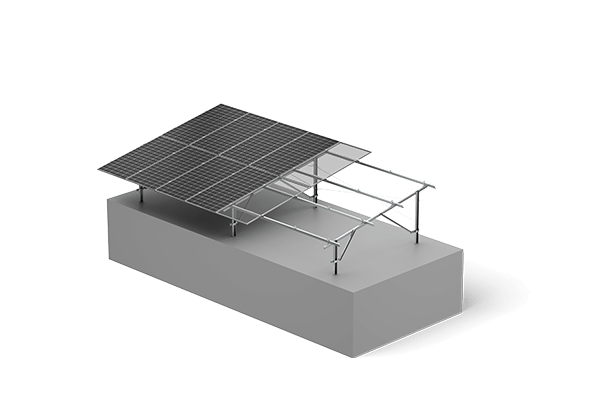
A solar ground racking system involves many interconnected components, including foundations, support structures, rails, clamps, and connection hardware. Managing these materials effectively requires careful coordination from transportation to final installation.
Unlike smaller solar projects, utility-scale developments cover large areas where material movement can become complex. Without proper planning, workers may spend excessive time searching for components or transporting materials between distant installation zones.
Early logistics preparation helps project teams understand site conditions, access routes, storage areas, and installation sequences. This creates a smoother workflow and reduces interruptions during construction.
The physical arrangement of a solar site plays a major role in logistics efficiency. Before construction begins, teams should analyze terrain conditions, installation zones, and equipment movement paths.
Strategically positioned storage areas can reduce unnecessary transportation distances. Materials should be placed close enough to active construction areas while avoiding interference with equipment operation or future installation activities.
A well-designed material flow plan also supports better communication between delivery teams, warehouse personnel, and installation crews. When every department understands the movement strategy, construction progress becomes easier to manage.
Material handling becomes more efficient when the mounting structure is designed with installation practicality in mind. Components that are organized clearly and prepared for straightforward assembly can reduce time spent on-site.
Efficient deployment of a solar ground racking system relies on consistent installation procedures that teams can follow with confidence. Simplified component identification and well-organized packaging go a long way toward reducing confusion on large-scale construction sites.
Practical design must account for more than structural performance—it should also reflect the realities of on-site installation. Antaisolar applies this thinking to ground mounting solutions that adapt to diverse project conditions while helping construction crews work more efficiently.
Transportation planning is another essential part of solar construction logistics. Large photovoltaic projects often require multiple deliveries, making scheduling and coordination important factors.
Project teams need to consider delivery timing, vehicle access, unloading locations, and temporary storage capacity. Poor coordination can result in crowded work areas or delayed installation activities.
Efficient transportation strategies also reduce unnecessary material movement. Delivering components according to installation schedules allows teams to avoid excessive storage requirements and maintain a steady construction pace.
Modern solar projects increasingly use digital tools to improve logistics visibility. Tracking systems, project management platforms, and digital documentation can help teams monitor material availability and installation progress.
These tools allow managers to identify potential shortages before they affect construction schedules. They also improve communication between suppliers, contractors, and project owners.
For large solar developments, better information flow can be as valuable as physical resources. Accurate planning enables teams to respond quickly to changing conditions while maintaining project momentum.
Ground-mounted solar projects are often built across diverse landscapes where terrain conditions influence logistics planning. Uneven ground, remote locations, and changing weather conditions can create additional challenges.
A flexible logistics approach helps construction teams adapt to these conditions. Site access planning, equipment selection, and material placement strategies should be adjusted according to local requirements.
Environmental considerations are also important during construction. Protecting stored materials from weather exposure and maintaining organized work areas contribute to safer and more efficient installation processes.
Construction efficiency directly affects the financial performance of solar projects. Reducing delays, minimizing unnecessary labor, and improving resource utilization can create significant benefits over the project lifecycle.
Effective logistics management also supports better quality control. When components are organized properly, installation teams can reduce mistakes and maintain more consistent workmanship.
Selecting an experienced mounting partner is an important step in achieving these goals. Antaisolar combines engineering knowledge with practical project understanding to support customers in building reliable solar installations with optimized construction processes.
Material logistics is a key factor that determines whether large-scale solar projects can be completed efficiently and successfully. While structural design and energy performance remain essential, effective on-site management creates the foundation for smoother installation.
Coordination across design, transportation, storage, and construction is essential to a carefully planned solar ground racking project. By streamlining material flow and minimizing operational friction, developers can drive better outcomes—an approach that will only grow in importance as the solar industry expands and construction strategies take on greater strategic weight.
Efficient logistics, in turn, makes projects faster to build, easier to manage, and more capable of delivering lasting renewable energy value.
With thousands of structural components to deliver, organize, and install accurately across utility-scale photovoltaic developments, logistics planning can determine the success or failure of a project. When material flow is poorly managed, delays accumulate, labor demands rise, and overall costs spiral—outcomes that efficient handling is designed to prevent.
Successful solar deployment depends on more than hardware quality; it depends on delivering the right components to the right place at the right time. A well-structured logistics strategy keeps construction teams working in sync, maintaining steady workflows and minimizing disruptive gaps in material availability.
The Importance of Logistics Planning for Solar Ground Racking System Installation
A solar ground racking system involves many interconnected components, including foundations, support structures, rails, clamps, and connection hardware. Managing these materials effectively requires careful coordination from transportation to final installation.
Unlike smaller solar projects, utility-scale developments cover large areas where material movement can become complex. Without proper planning, workers may spend excessive time searching for components or transporting materials between distant installation zones.
Early logistics preparation helps project teams understand site conditions, access routes, storage areas, and installation sequences. This creates a smoother workflow and reduces interruptions during construction.
Site Layout and Material Flow Optimization
The physical arrangement of a solar site plays a major role in logistics efficiency. Before construction begins, teams should analyze terrain conditions, installation zones, and equipment movement paths.
Strategically positioned storage areas can reduce unnecessary transportation distances. Materials should be placed close enough to active construction areas while avoiding interference with equipment operation or future installation activities.
A well-designed material flow plan also supports better communication between delivery teams, warehouse personnel, and installation crews. When every department understands the movement strategy, construction progress becomes easier to manage.
Reducing Handling Challenges Through Better System Design
Material handling becomes more efficient when the mounting structure is designed with installation practicality in mind. Components that are organized clearly and prepared for straightforward assembly can reduce time spent on-site.
Efficient deployment of a solar ground racking system relies on consistent installation procedures that teams can follow with confidence. Simplified component identification and well-organized packaging go a long way toward reducing confusion on large-scale construction sites.
Practical design must account for more than structural performance—it should also reflect the realities of on-site installation. Antaisolar applies this thinking to ground mounting solutions that adapt to diverse project conditions while helping construction crews work more efficiently.
Transportation Strategies for Large Solar Projects
Transportation planning is another essential part of solar construction logistics. Large photovoltaic projects often require multiple deliveries, making scheduling and coordination important factors.
Project teams need to consider delivery timing, vehicle access, unloading locations, and temporary storage capacity. Poor coordination can result in crowded work areas or delayed installation activities.
Efficient transportation strategies also reduce unnecessary material movement. Delivering components according to installation schedules allows teams to avoid excessive storage requirements and maintain a steady construction pace.
Digital Tools and Construction Coordination
Modern solar projects increasingly use digital tools to improve logistics visibility. Tracking systems, project management platforms, and digital documentation can help teams monitor material availability and installation progress.
These tools allow managers to identify potential shortages before they affect construction schedules. They also improve communication between suppliers, contractors, and project owners.
For large solar developments, better information flow can be as valuable as physical resources. Accurate planning enables teams to respond quickly to changing conditions while maintaining project momentum.
Managing Terrain and Environmental Factors
Ground-mounted solar projects are often built across diverse landscapes where terrain conditions influence logistics planning. Uneven ground, remote locations, and changing weather conditions can create additional challenges.
A flexible logistics approach helps construction teams adapt to these conditions. Site access planning, equipment selection, and material placement strategies should be adjusted according to local requirements.
Environmental considerations are also important during construction. Protecting stored materials from weather exposure and maintaining organized work areas contribute to safer and more efficient installation processes.
Improving Long-Term Project Value Through Efficient Construction
Construction efficiency directly affects the financial performance of solar projects. Reducing delays, minimizing unnecessary labor, and improving resource utilization can create significant benefits over the project lifecycle.
Effective logistics management also supports better quality control. When components are organized properly, installation teams can reduce mistakes and maintain more consistent workmanship.
Selecting an experienced mounting partner is an important step in achieving these goals. Antaisolar combines engineering knowledge with practical project understanding to support customers in building reliable solar installations with optimized construction processes.
Conclusion
Material logistics is a key factor that determines whether large-scale solar projects can be completed efficiently and successfully. While structural design and energy performance remain essential, effective on-site management creates the foundation for smoother installation.
Coordination across design, transportation, storage, and construction is essential to a carefully planned solar ground racking project. By streamlining material flow and minimizing operational friction, developers can drive better outcomes—an approach that will only grow in importance as the solar industry expands and construction strategies take on greater strategic weight.
Efficient logistics, in turn, makes projects faster to build, easier to manage, and more capable of delivering lasting renewable energy value.
end