
Understanding the Integrated Design Behind Modern Ground-Mounted Solar Systems
May 23, 2026
Utility-scale photovoltaic projects rely on more than solar modules to achieve stable energy production. Behind every successful installation is a carefully engineered structure where mechanical, electrical, and environmental elements work together as one complete system.
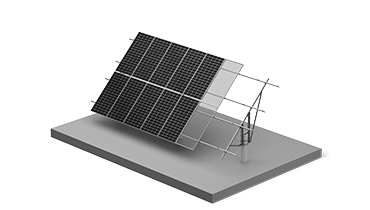
A ground-mounted solar system is built through the coordination of multiple components, including foundations, support structures, module mounting systems, and electrical connections. Each part has a specific function, but the overall performance depends on how effectively these elements interact throughout the project lifecycle.
Understanding this architecture helps developers, EPC companies, and investors make better decisions when planning large-scale solar installations.
The foundation is the starting point of any ground-mounted photovoltaic project. It transfers the loads from the solar structure into the ground while maintaining stability under different environmental conditions.
Before selecting a foundation solution, engineers must evaluate site-specific factors such as soil conditions, terrain characteristics, wind loads, and installation requirements. Different locations may require different approaches, including driven piles, ground screws, or concrete-based solutions.
A properly designed foundation supports more than just the weight of solar modules. It also helps the entire structure withstand external forces such as strong winds and temperature changes. Without a reliable foundation, even high-quality components above ground cannot achieve their expected performance.
The mounting structure acts as the backbone of a solar installation. It connects the foundation system with photovoltaic modules while maintaining the required tilt angle and alignment for energy generation.
In a ground-mounted solar system, the racking structure must provide both mechanical strength and installation flexibility. Rails, beams, fasteners, and module clamps work together to secure panels while allowing the system to adapt to different project environments.
The design of these components directly influences installation efficiency and long-term reliability. A well-engineered structure can simplify construction while reducing potential maintenance challenges during operation.
Reliable mounting requires more than robust engineering—it demands a design that works smoothly in real installation environments. Antaisolar addresses both through a comprehensive approach that ties site characteristics, component design, and enduring project performance into a single, cohesive framework.
Solar modules are the energy-producing components of the system, but their performance depends heavily on accurate positioning. The mounting structure must maintain proper module orientation and spacing to maximize sunlight exposure.
Small differences in alignment can influence energy output across large solar farms. Therefore, the mechanical structure must provide consistent positioning throughout the entire installation.
The interaction between modules and mounting systems is especially important in large projects where thousands or even millions of panels operate together. A reliable structural design helps maintain uniform performance across the site.
The relationship between module arrangement and structural stability also affects maintenance activities. Accessible layouts allow technicians to inspect and service equipment more efficiently throughout the operating period.
Although the physical structure supports the modules, electrical components complete the energy conversion process. The generated electricity must move efficiently from individual modules through cables, inverters, and other power management equipment.
A successful solar project requires coordination between mechanical and electrical design. Cable routing, equipment placement, and structural layout must be considered together during planning.
For example, the mounting system should provide appropriate space and organization for electrical connections while maintaining safe installation conditions. Poor coordination between these areas can create unnecessary construction difficulties or future maintenance concerns.
This demonstrates why a solar installation should be viewed as an integrated system rather than a collection of separate parts.
Every solar site presents unique challenges. Flat deserts, agricultural areas, industrial land, and uneven terrain may require different structural approaches.
The architecture of a ground-mounted solar system must be adapted according to local conditions. Factors such as wind pressure, snow loads, soil properties, and available construction methods influence how each component is designed and connected.
Experienced engineering teams analyze these conditions before selecting the most suitable configuration. This approach improves structural reliability and helps ensure that the system can operate effectively throughout its expected service life.
Customized engineering is especially important for large-scale projects because small improvements in design can create significant benefits across thousands of installed modules.
The performance of a solar installation depends on how well all components function together. A strong foundation cannot compensate for a poorly designed mounting structure, and efficient modules cannot reach their potential without proper positioning.
Successful projects require cooperation between structural engineers, electrical designers, installers, and equipment suppliers. This integrated approach reduces risks during construction and supports stable operation after commissioning.
Modern solar development increasingly focuses on lifecycle value rather than only initial installation costs. A well-designed system can reduce maintenance requirements, improve reliability, and support consistent energy generation over decades.
The architecture of the entire installation should therefore be considered from the earliest planning stages.
Solar deployment is accelerating worldwide, and ground-mounted installations are growing larger and more sophisticated with each wave of development. This evolution places a growing premium on system-level thinking across every phase of project design and delivery.
Developers need solutions that balance structural strength, installation efficiency, environmental adaptability, and long-term operational needs. Choosing individual components in isolation may create limitations, while selecting an integrated design approach can improve overall project outcomes.
Successful solar infrastructure is built on a clear understanding of how each component contributes to overall system performance—a principle that guides Antaisolar in supporting project developers with solutions rooted in practical engineering and real-world application needs.
A successful ground-mounted solar project depends on how effectively every component works as part of one integrated system. Foundations provide stability, mounting structures maintain precise module positioning, and electrical components ensure efficient energy transfer.
By evaluating the complete system architecture rather than individual components separately, project developers can achieve better reliability, easier installation, and stronger long-term performance. A well-coordinated design approach is the foundation for building efficient and dependable solar installations.
A ground-mounted solar system is built through the coordination of multiple components, including foundations, support structures, module mounting systems, and electrical connections. Each part has a specific function, but the overall performance depends on how effectively these elements interact throughout the project lifecycle.
Understanding this architecture helps developers, EPC companies, and investors make better decisions when planning large-scale solar installations.
The Foundation: Creating a Stable Base for Solar Structures
The foundation is the starting point of any ground-mounted photovoltaic project. It transfers the loads from the solar structure into the ground while maintaining stability under different environmental conditions.
Before selecting a foundation solution, engineers must evaluate site-specific factors such as soil conditions, terrain characteristics, wind loads, and installation requirements. Different locations may require different approaches, including driven piles, ground screws, or concrete-based solutions.
A properly designed foundation supports more than just the weight of solar modules. It also helps the entire structure withstand external forces such as strong winds and temperature changes. Without a reliable foundation, even high-quality components above ground cannot achieve their expected performance.
How Mounting Structures Connect Every Component Together
The mounting structure acts as the backbone of a solar installation. It connects the foundation system with photovoltaic modules while maintaining the required tilt angle and alignment for energy generation.
In a ground-mounted solar system, the racking structure must provide both mechanical strength and installation flexibility. Rails, beams, fasteners, and module clamps work together to secure panels while allowing the system to adapt to different project environments.
The design of these components directly influences installation efficiency and long-term reliability. A well-engineered structure can simplify construction while reducing potential maintenance challenges during operation.
Reliable mounting requires more than robust engineering—it demands a design that works smoothly in real installation environments. Antaisolar addresses both through a comprehensive approach that ties site characteristics, component design, and enduring project performance into a single, cohesive framework.
The Role of Solar Modules and Mounting Alignment
Solar modules are the energy-producing components of the system, but their performance depends heavily on accurate positioning. The mounting structure must maintain proper module orientation and spacing to maximize sunlight exposure.
Small differences in alignment can influence energy output across large solar farms. Therefore, the mechanical structure must provide consistent positioning throughout the entire installation.
The interaction between modules and mounting systems is especially important in large projects where thousands or even millions of panels operate together. A reliable structural design helps maintain uniform performance across the site.
The relationship between module arrangement and structural stability also affects maintenance activities. Accessible layouts allow technicians to inspect and service equipment more efficiently throughout the operating period.
Electrical Integration: Connecting Solar Generation with Power Systems
Although the physical structure supports the modules, electrical components complete the energy conversion process. The generated electricity must move efficiently from individual modules through cables, inverters, and other power management equipment.
A successful solar project requires coordination between mechanical and electrical design. Cable routing, equipment placement, and structural layout must be considered together during planning.
For example, the mounting system should provide appropriate space and organization for electrical connections while maintaining safe installation conditions. Poor coordination between these areas can create unnecessary construction difficulties or future maintenance concerns.
This demonstrates why a solar installation should be viewed as an integrated system rather than a collection of separate parts.
Engineering Adaptation for Different Project Environments
Every solar site presents unique challenges. Flat deserts, agricultural areas, industrial land, and uneven terrain may require different structural approaches.
The architecture of a ground-mounted solar system must be adapted according to local conditions. Factors such as wind pressure, snow loads, soil properties, and available construction methods influence how each component is designed and connected.
Experienced engineering teams analyze these conditions before selecting the most suitable configuration. This approach improves structural reliability and helps ensure that the system can operate effectively throughout its expected service life.
Customized engineering is especially important for large-scale projects because small improvements in design can create significant benefits across thousands of installed modules.
Why System Integration Determines Long-Term Performance
The performance of a solar installation depends on how well all components function together. A strong foundation cannot compensate for a poorly designed mounting structure, and efficient modules cannot reach their potential without proper positioning.
Successful projects require cooperation between structural engineers, electrical designers, installers, and equipment suppliers. This integrated approach reduces risks during construction and supports stable operation after commissioning.
Modern solar development increasingly focuses on lifecycle value rather than only initial installation costs. A well-designed system can reduce maintenance requirements, improve reliability, and support consistent energy generation over decades.
The architecture of the entire installation should therefore be considered from the earliest planning stages.
Building More Reliable Solar Infrastructure Through Better Design
Solar deployment is accelerating worldwide, and ground-mounted installations are growing larger and more sophisticated with each wave of development. This evolution places a growing premium on system-level thinking across every phase of project design and delivery.
Developers need solutions that balance structural strength, installation efficiency, environmental adaptability, and long-term operational needs. Choosing individual components in isolation may create limitations, while selecting an integrated design approach can improve overall project outcomes.
Successful solar infrastructure is built on a clear understanding of how each component contributes to overall system performance—a principle that guides Antaisolar in supporting project developers with solutions rooted in practical engineering and real-world application needs.
Conclusion
A successful ground-mounted solar project depends on how effectively every component works as part of one integrated system. Foundations provide stability, mounting structures maintain precise module positioning, and electrical components ensure efficient energy transfer.
By evaluating the complete system architecture rather than individual components separately, project developers can achieve better reliability, easier installation, and stronger long-term performance. A well-coordinated design approach is the foundation for building efficient and dependable solar installations.
end