
Maximizing Desert Solar Performance Through Advanced Single-Axis Tracking Technology
May 14, 2026
Desert regions offer some of the world’s strongest solar resources, making them ideal locations for large-scale photovoltaic projects. However, these environments also present unique engineering challenges, including extreme temperatures, strong winds, dust accumulation, and difficult terrain conditions.
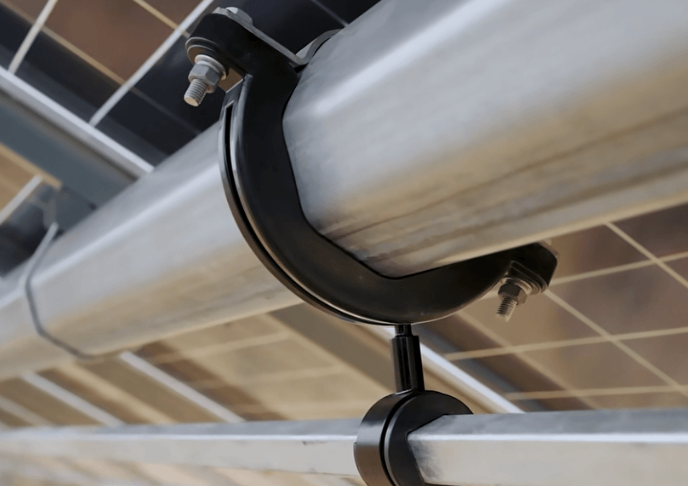
To achieve higher energy yields in these demanding locations, project developers increasingly rely on advanced tracking solutions that optimize sunlight capture throughout the day. A well-designed tracking system can improve energy generation while maintaining reliability under harsh environmental conditions.
In desert environments, solar projects face unique stresses that make structural adaptation as important as energy generation. Installing PV modules is only the beginning; the real challenge lies in engineering mounting systems that maintain structural integrity under extreme conditions and support reliable operation over the project lifecycle.
A single-axis solar tracker is designed to rotate solar panels along one axis, allowing modules to follow the sun’s movement from east to west. This movement helps maintain a more favorable angle between the panels and sunlight, improving solar radiation capture compared with fixed-tilt installations.
For desert projects, this technology provides an effective way to increase energy output from available land areas. Since deserts often have large open spaces with high solar irradiation, tracking systems can maximize the value of these locations.
The benefits are particularly important for utility-scale developments where even small improvements in energy production can significantly influence project economics. By improving daily solar exposure, tracking technology helps developers achieve stronger performance from each installed module.
Desert environments require solar structures that can handle challenging conditions throughout their operational life. High wind speeds, temperature fluctuations, and uneven terrain can place additional stress on tracking systems.
The mechanical design of a tracking solution must provide both flexibility and stability. Components such as torque tubes, drives, bearings, and structural connections need to work together to ensure smooth movement while maintaining resistance against external forces.
Our AT-Spark tracking solution is designed with structural optimization and intelligent control features to support large-scale solar applications. Antaisolar focuses on practical engineering approaches that help customers address the complex requirements of utility-scale projects.
Wind is one of the most important factors affecting desert solar installations. Large photovoltaic arrays can experience significant wind-induced aerodynamic loads, especially in open landscapes where wind exposure is high.
A reliable single-axis solar tracker must include structural designs that reduce wind-related risks. Proper load analysis, optimized component selection, and effective control strategies help protect the system during severe weather conditions.
Dust accumulation on module surfaces can reduce energy production and increase maintenance requirements. Tracking systems should be designed with operational efficiency in mind, allowing project operators to manage cleaning schedules and system performance effectively.
Extreme temperatures also influence material durability and mechanical performance. Solar tracking components must maintain reliable operation despite daily temperature changes and prolonged exposure to intense sunlight.
Modern solar tracking systems rely on advanced control technologies to improve accuracy and operational efficiency. Intelligent algorithms help adjust panel positions according to solar movement and project conditions.
A single-axis solar tracker with optimized control can reduce unnecessary movement while maintaining effective sunlight alignment. This approach helps balance energy gains with mechanical wear and operational requirements.
For desert projects, intelligent tracking is especially valuable because large installations often involve thousands of modules spread across extensive areas. Automated operation reduces dependence on manual adjustments and supports consistent system performance.
Although desert locations provide excellent solar potential, project planning requires careful evaluation. Developers must consider factors such as land conditions, transportation access, foundation requirements, and construction efficiency.
Terrain variations can influence installation methods and structural design. Tracking systems with adaptable configurations can help accommodate different site conditions while maintaining reliable operation.
Construction teams must also consider environmental factors during installation. Heat exposure, limited water resources, and remote locations may affect construction schedules and maintenance strategies.
A successful project requires cooperation between engineering teams, installers, and operators to ensure that the tracking system performs as expected throughout its lifecycle.
Choosing a tracking system involves more than comparing initial costs. Developers should evaluate reliability, maintenance requirements, structural performance, and expected energy gains over the project lifespan.
The ideal solution should provide a balance between enhanced power generation and reliable operation. Systems designed specifically for utility-scale applications can help reduce operational risks while supporting renewable energy targets.
Innovative technology and practical engineering experience must work together for desert solar projects to succeed. By prioritizing system performance, environmental adaptation, and installation efficiency, we help customers construct renewable energy assets that are built to last.
Desert solar projects have enormous potential, but unlocking that potential requires solutions designed for demanding environments. Advanced tracking technology provides a pathway to improve energy capture while addressing the structural and operational challenges of desert conditions.
A well-engineered single-axis solar tracking system enhances project efficiency through optimized panel orientation and adaptive response to site-specific conditions. As the solar industry expands into more challenging geographic regions, the importance of reliable tracking solutions continues to escalate.
Antaisolar remains committed to supporting the development of high-efficiency solar installations through engineering expertise and innovative design strategies. With careful system planning and project-specific configuration, desert photovoltaic projects can achieve stable, long-term clean energy performance over their full lifecycle.
To achieve higher energy yields in these demanding locations, project developers increasingly rely on advanced tracking solutions that optimize sunlight capture throughout the day. A well-designed tracking system can improve energy generation while maintaining reliability under harsh environmental conditions.
In desert environments, solar projects face unique stresses that make structural adaptation as important as energy generation. Installing PV modules is only the beginning; the real challenge lies in engineering mounting systems that maintain structural integrity under extreme conditions and support reliable operation over the project lifecycle.
Why Single-Axis Solar Tracker Systems Are Valuable for Desert Projects
A single-axis solar tracker is designed to rotate solar panels along one axis, allowing modules to follow the sun’s movement from east to west. This movement helps maintain a more favorable angle between the panels and sunlight, improving solar radiation capture compared with fixed-tilt installations.
For desert projects, this technology provides an effective way to increase energy output from available land areas. Since deserts often have large open spaces with high solar irradiation, tracking systems can maximize the value of these locations.
The benefits are particularly important for utility-scale developments where even small improvements in energy production can significantly influence project economics. By improving daily solar exposure, tracking technology helps developers achieve stronger performance from each installed module.
Engineering Considerations for Desert Solar Tracking Applications
Desert environments require solar structures that can handle challenging conditions throughout their operational life. High wind speeds, temperature fluctuations, and uneven terrain can place additional stress on tracking systems.
The mechanical design of a tracking solution must provide both flexibility and stability. Components such as torque tubes, drives, bearings, and structural connections need to work together to ensure smooth movement while maintaining resistance against external forces.
Our AT-Spark tracking solution is designed with structural optimization and intelligent control features to support large-scale solar applications. Antaisolar focuses on practical engineering approaches that help customers address the complex requirements of utility-scale projects.
Managing Wind, Dust, and Temperature Challenges
Wind is one of the most important factors affecting desert solar installations. Large photovoltaic arrays can experience significant wind-induced aerodynamic loads, especially in open landscapes where wind exposure is high.
A reliable single-axis solar tracker must include structural designs that reduce wind-related risks. Proper load analysis, optimized component selection, and effective control strategies help protect the system during severe weather conditions.
Dust accumulation on module surfaces can reduce energy production and increase maintenance requirements. Tracking systems should be designed with operational efficiency in mind, allowing project operators to manage cleaning schedules and system performance effectively.
Extreme temperatures also influence material durability and mechanical performance. Solar tracking components must maintain reliable operation despite daily temperature changes and prolonged exposure to intense sunlight.
Improving Energy Output Through Intelligent Tracking Control
Modern solar tracking systems rely on advanced control technologies to improve accuracy and operational efficiency. Intelligent algorithms help adjust panel positions according to solar movement and project conditions.
A single-axis solar tracker with optimized control can reduce unnecessary movement while maintaining effective sunlight alignment. This approach helps balance energy gains with mechanical wear and operational requirements.
For desert projects, intelligent tracking is especially valuable because large installations often involve thousands of modules spread across extensive areas. Automated operation reduces dependence on manual adjustments and supports consistent system performance.
Site Planning and Installation Challenges in Desert Regions
Although desert locations provide excellent solar potential, project planning requires careful evaluation. Developers must consider factors such as land conditions, transportation access, foundation requirements, and construction efficiency.
Terrain variations can influence installation methods and structural design. Tracking systems with adaptable configurations can help accommodate different site conditions while maintaining reliable operation.
Construction teams must also consider environmental factors during installation. Heat exposure, limited water resources, and remote locations may affect construction schedules and maintenance strategies.
A successful project requires cooperation between engineering teams, installers, and operators to ensure that the tracking system performs as expected throughout its lifecycle.
Selecting the Right Tracking Solution for Long-Term Value
Choosing a tracking system involves more than comparing initial costs. Developers should evaluate reliability, maintenance requirements, structural performance, and expected energy gains over the project lifespan.
The ideal solution should provide a balance between enhanced power generation and reliable operation. Systems designed specifically for utility-scale applications can help reduce operational risks while supporting renewable energy targets.
Innovative technology and practical engineering experience must work together for desert solar projects to succeed. By prioritizing system performance, environmental adaptation, and installation efficiency, we help customers construct renewable energy assets that are built to last.
Conclusion
Desert solar projects have enormous potential, but unlocking that potential requires solutions designed for demanding environments. Advanced tracking technology provides a pathway to improve energy capture while addressing the structural and operational challenges of desert conditions.
A well-engineered single-axis solar tracking system enhances project efficiency through optimized panel orientation and adaptive response to site-specific conditions. As the solar industry expands into more challenging geographic regions, the importance of reliable tracking solutions continues to escalate.
Antaisolar remains committed to supporting the development of high-efficiency solar installations through engineering expertise and innovative design strategies. With careful system planning and project-specific configuration, desert photovoltaic projects can achieve stable, long-term clean energy performance over their full lifecycle.
end