
Smart Packaging Approaches That Help Protect Solar Mounting Components During Installation
May 04, 2026
On large-scale solar construction sites, component damage does not always happen during installation. In many cases, problems begin when mounting parts arrive in bulk and crews must sort, move, and prepare thousands of individual items before assembly starts.
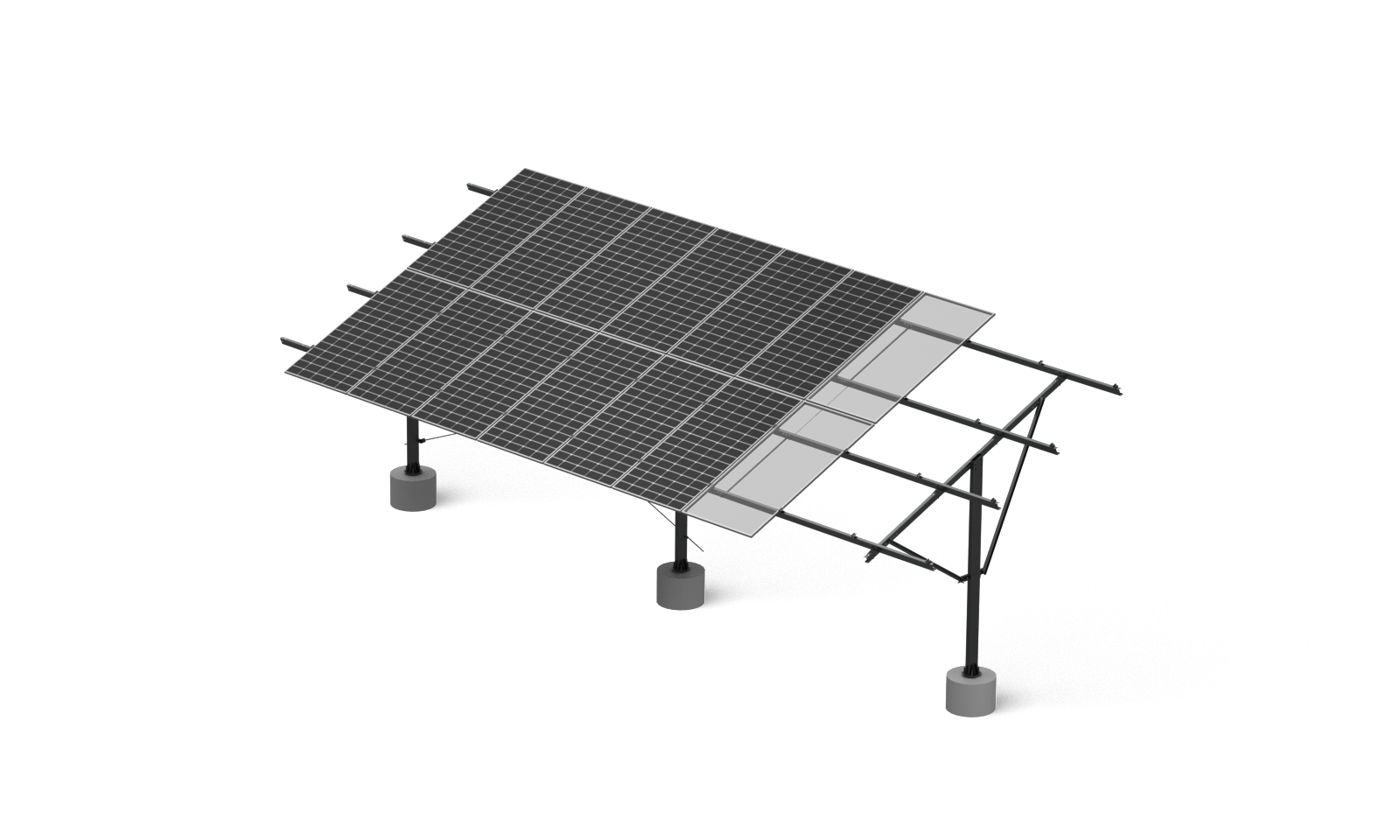
For utility photovoltaic projects, an inefficient unboxing process can create unexpected challenges. Missing fasteners, mixed component groups, damaged surfaces, and unclear package identification may slow down installation and increase labor pressure.
Considering the packing and unpacking processes at the project site should be the first step in logistics planning, in our opinion. Preparation for delivery, organization of components, and installation process are all interdependent aspects of a dependable solar mounting system that Antaisolar takes into account.
Utility-scale solar projects involve many different structural components, including piles, rails, clamps, brackets, and connection accessories. When these items arrive without a clear organization strategy, installation teams often spend valuable time identifying and separating materials.
Traditional bulk delivery methods may require workers to open multiple packages and manually compare components with drawings. This process increases the chance of handling mistakes, especially when projects operate under tight construction schedules.
For developers, the challenge is not only protecting components from physical damage. A disorganized unpacking process can also affect installation accuracy because crews may use incorrect parts or delay assembly while searching for missing items.
Solar mounting structure manufacturers need to consider how products are received and used on-site, not only how they are produced. A well-designed delivery approach can reduce unnecessary movement and create a smoother transition from transportation to installation.
Systematic unpacking focuses on organizing materials according to the actual construction workflow. Instead of treating all components as separate shipments, suppliers can prepare packages that match specific installation stages.
For example, foundation-related components, structural rails, and connection accessories can be grouped based on when they will be required during construction. This allows workers to open only the materials needed for each phase rather than searching through the entire inventory.
Clear labeling is another important element. Package numbers, component descriptions, and installation references help crews quickly identify the correct materials. This reduces confusion and limits unnecessary handling.
By connecting packaging design with installation planning, solar mounting structure manufacturers can help EPC teams improve efficiency while reducing the possibility of damaged or misplaced components.
Protection begins long before the unloading process. Solar mounting components may experience multiple transportation stages, including factory handling, container loading, regional delivery, and final movement to the construction area.
Structural parts require packaging methods that prevent bending, scratching, and deformation. Smaller accessories require secure organization because missing small components can interrupt the installation sequence.
Packaging should also consider environmental conditions. Proper protection against moisture, dust, and outdoor exposure helps maintain component quality when materials need temporary storage before installation.
The complete project process is at the heart of our mounting solutions at Antaisolar. While engineering design lays the foundation for product performance, success also hinges on one critical factor: ensuring every component reaches the site in a state that enables fast, trouble-free assembly.
Even well-packaged components can be damaged if site handling procedures are not carefully planned. The unloading stage is one of the most important moments for preventing unnecessary losses.
Heavy structural parts should be moved with suitable lifting equipment and stored in organized areas. Improper stacking or repeated relocation can create avoidable damage and increase preparation time.
Site layout also influences handling efficiency. A well-planned storage area allows workers to access materials easily while protecting components from construction traffic and environmental exposure.
Working closely with a reliable solar mounting structure manufacturers can help project teams establish better handling requirements before delivery. Clear instructions regarding unloading and storage reduce uncertainty and improve coordination between suppliers and installers.
Large solar projects often involve thousands of packages delivered over multiple construction stages. Without effective tracking, it can become difficult to confirm whether all required materials have arrived at the correct location.
Digital management tools can improve visibility throughout the delivery process. Barcode systems, package identification, and digital records allow teams to monitor inventory more accurately.
These systems are especially valuable when projects are built across large areas. Installation crews can quickly locate required components instead of spending additional time checking storage zones.
Better information management supports the goal of systematic unpacking by connecting factory preparation with field execution. It turns packaging from a simple transportation activity into part of the overall construction strategy.
Choosing a solar mounting supplier involves evaluating more than product quality. Developers and EPC contractors should also consider how effectively a supplier supports delivery preparation and installation requirements.
A supplier that understands construction challenges can help reduce risks before they reach the project site. Early coordination on packaging methods, delivery schedules, and component organization allows teams to prepare more effectively.
Smart logistics can also influence project economics. Reducing damaged materials, unnecessary handling, and installation interruptions helps control labor costs and maintain construction progress.
The role of solar mounting structure manufacturers continues to expand as solar projects become larger and more complex. Their responsibility is not limited to producing reliable structures but also supporting efficient project execution.
Systematic unpacking logistics provides a practical way to reduce component damage and improve installation efficiency in utility-scale solar projects. By organizing materials according to construction needs, protecting components during transportation, and improving site handling, project teams can avoid many preventable challenges.
The relationship among production, transportation, and construction will be more vital as solar arrays expand in size. In order to aid developers in achieving smoother execution and more predictable project outputs, a mounting system should arrive ready for installation.
For utility photovoltaic projects, an inefficient unboxing process can create unexpected challenges. Missing fasteners, mixed component groups, damaged surfaces, and unclear package identification may slow down installation and increase labor pressure.
Considering the packing and unpacking processes at the project site should be the first step in logistics planning, in our opinion. Preparation for delivery, organization of components, and installation process are all interdependent aspects of a dependable solar mounting system that Antaisolar takes into account.
Why Traditional Unpacking Methods Create Site Risks
Utility-scale solar projects involve many different structural components, including piles, rails, clamps, brackets, and connection accessories. When these items arrive without a clear organization strategy, installation teams often spend valuable time identifying and separating materials.
Traditional bulk delivery methods may require workers to open multiple packages and manually compare components with drawings. This process increases the chance of handling mistakes, especially when projects operate under tight construction schedules.
For developers, the challenge is not only protecting components from physical damage. A disorganized unpacking process can also affect installation accuracy because crews may use incorrect parts or delay assembly while searching for missing items.
Solar mounting structure manufacturers need to consider how products are received and used on-site, not only how they are produced. A well-designed delivery approach can reduce unnecessary movement and create a smoother transition from transportation to installation.
Designing Systematic Unpacking Around Installation Sequences
Systematic unpacking focuses on organizing materials according to the actual construction workflow. Instead of treating all components as separate shipments, suppliers can prepare packages that match specific installation stages.
For example, foundation-related components, structural rails, and connection accessories can be grouped based on when they will be required during construction. This allows workers to open only the materials needed for each phase rather than searching through the entire inventory.
Clear labeling is another important element. Package numbers, component descriptions, and installation references help crews quickly identify the correct materials. This reduces confusion and limits unnecessary handling.
By connecting packaging design with installation planning, solar mounting structure manufacturers can help EPC teams improve efficiency while reducing the possibility of damaged or misplaced components.
How Packaging Design Protects Components Before They Reach the Site
Protection begins long before the unloading process. Solar mounting components may experience multiple transportation stages, including factory handling, container loading, regional delivery, and final movement to the construction area.
Structural parts require packaging methods that prevent bending, scratching, and deformation. Smaller accessories require secure organization because missing small components can interrupt the installation sequence.
Packaging should also consider environmental conditions. Proper protection against moisture, dust, and outdoor exposure helps maintain component quality when materials need temporary storage before installation.
The complete project process is at the heart of our mounting solutions at Antaisolar. While engineering design lays the foundation for product performance, success also hinges on one critical factor: ensuring every component reaches the site in a state that enables fast, trouble-free assembly.
Reducing On-Site Damage Through Better Handling Practices
Even well-packaged components can be damaged if site handling procedures are not carefully planned. The unloading stage is one of the most important moments for preventing unnecessary losses.
Heavy structural parts should be moved with suitable lifting equipment and stored in organized areas. Improper stacking or repeated relocation can create avoidable damage and increase preparation time.
Site layout also influences handling efficiency. A well-planned storage area allows workers to access materials easily while protecting components from construction traffic and environmental exposure.
Working closely with a reliable solar mounting structure manufacturers can help project teams establish better handling requirements before delivery. Clear instructions regarding unloading and storage reduce uncertainty and improve coordination between suppliers and installers.
Digital Tracking Improves Component Management
Large solar projects often involve thousands of packages delivered over multiple construction stages. Without effective tracking, it can become difficult to confirm whether all required materials have arrived at the correct location.
Digital management tools can improve visibility throughout the delivery process. Barcode systems, package identification, and digital records allow teams to monitor inventory more accurately.
These systems are especially valuable when projects are built across large areas. Installation crews can quickly locate required components instead of spending additional time checking storage zones.
Better information management supports the goal of systematic unpacking by connecting factory preparation with field execution. It turns packaging from a simple transportation activity into part of the overall construction strategy.
Improving Project Efficiency Through Smarter Supplier Coordination
Choosing a solar mounting supplier involves evaluating more than product quality. Developers and EPC contractors should also consider how effectively a supplier supports delivery preparation and installation requirements.
A supplier that understands construction challenges can help reduce risks before they reach the project site. Early coordination on packaging methods, delivery schedules, and component organization allows teams to prepare more effectively.
Smart logistics can also influence project economics. Reducing damaged materials, unnecessary handling, and installation interruptions helps control labor costs and maintain construction progress.
The role of solar mounting structure manufacturers continues to expand as solar projects become larger and more complex. Their responsibility is not limited to producing reliable structures but also supporting efficient project execution.
Conclusion
Systematic unpacking logistics provides a practical way to reduce component damage and improve installation efficiency in utility-scale solar projects. By organizing materials according to construction needs, protecting components during transportation, and improving site handling, project teams can avoid many preventable challenges.
The relationship among production, transportation, and construction will be more vital as solar arrays expand in size. In order to aid developers in achieving smoother execution and more predictable project outputs, a mounting system should arrive ready for installation.
end